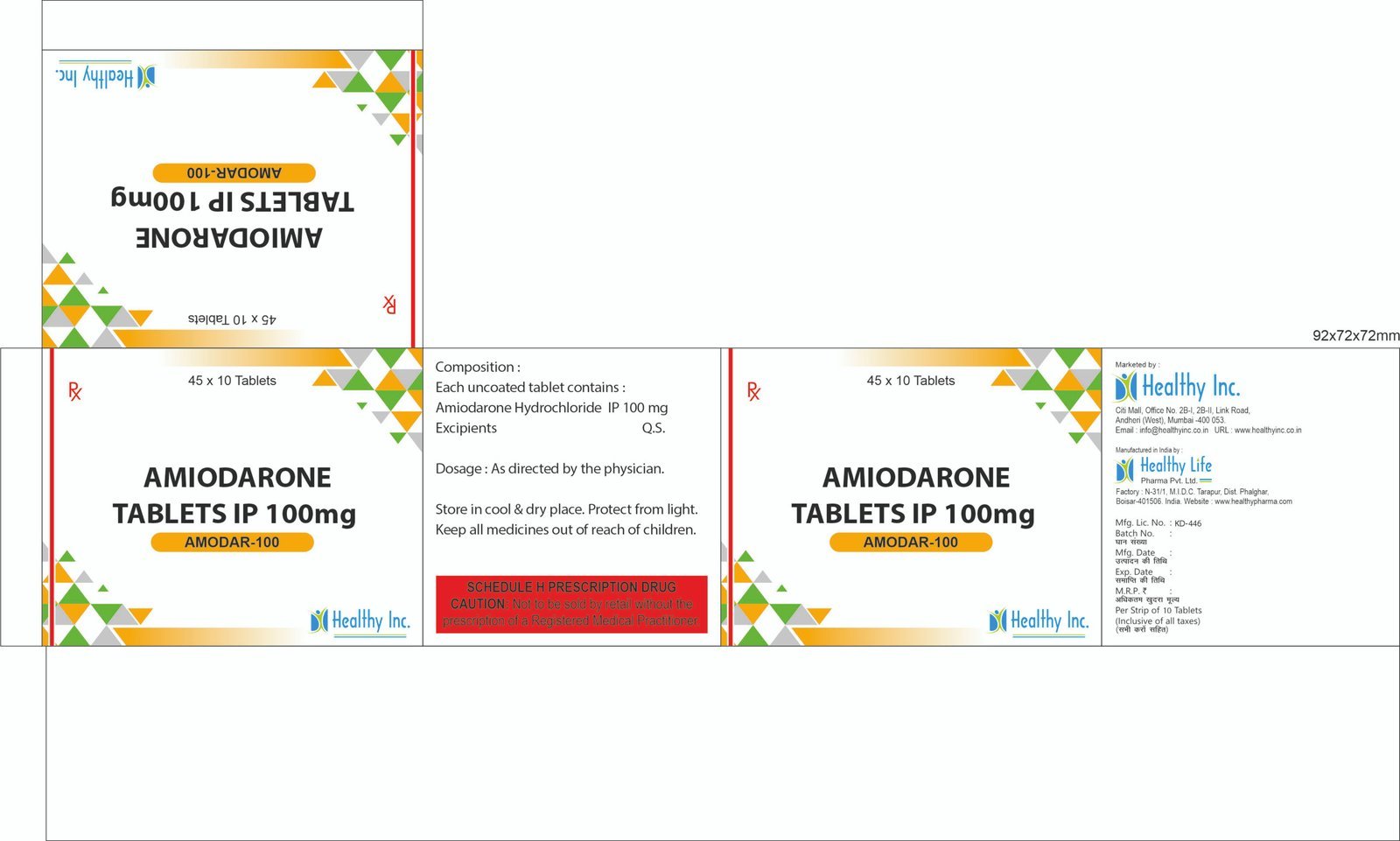
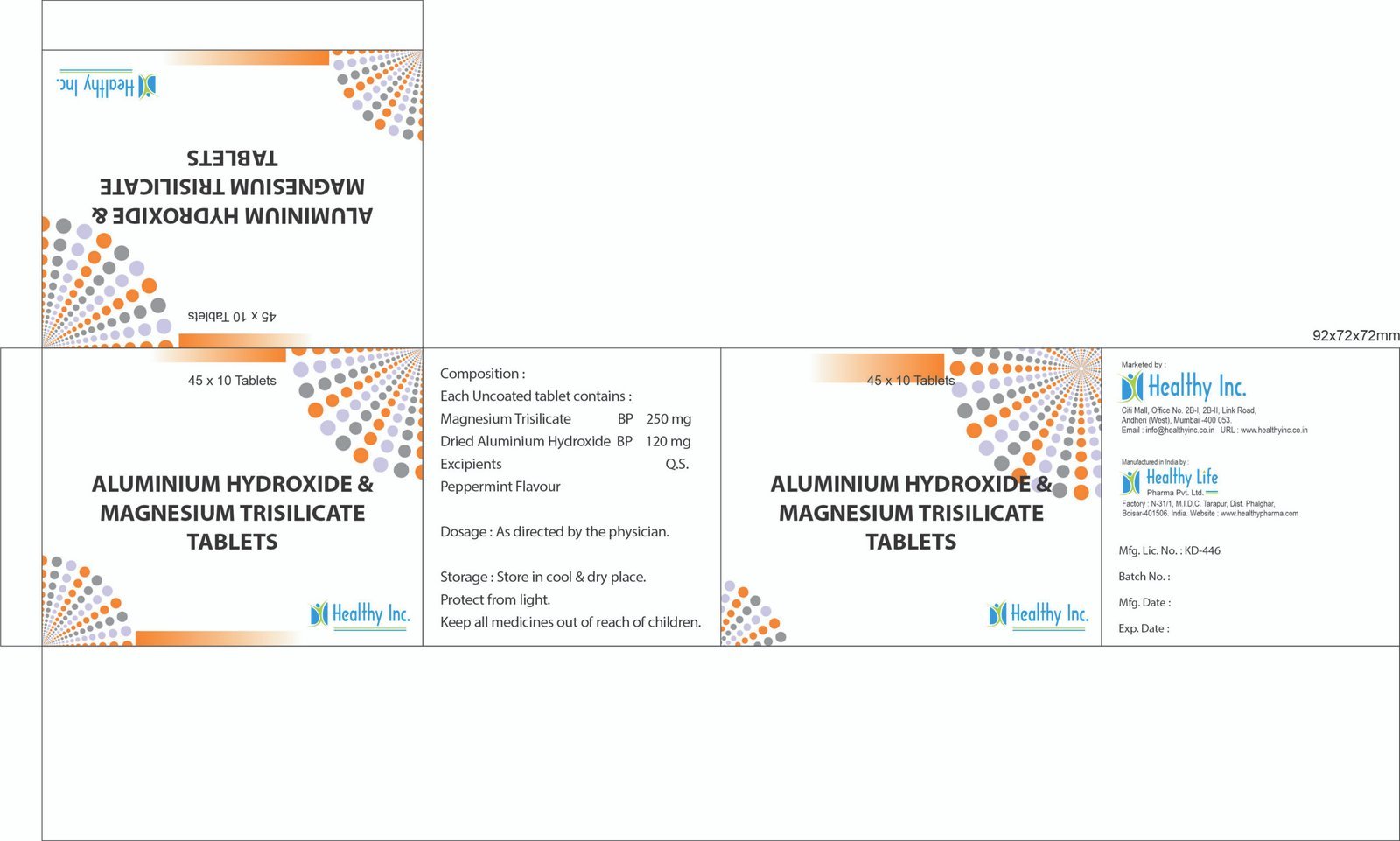
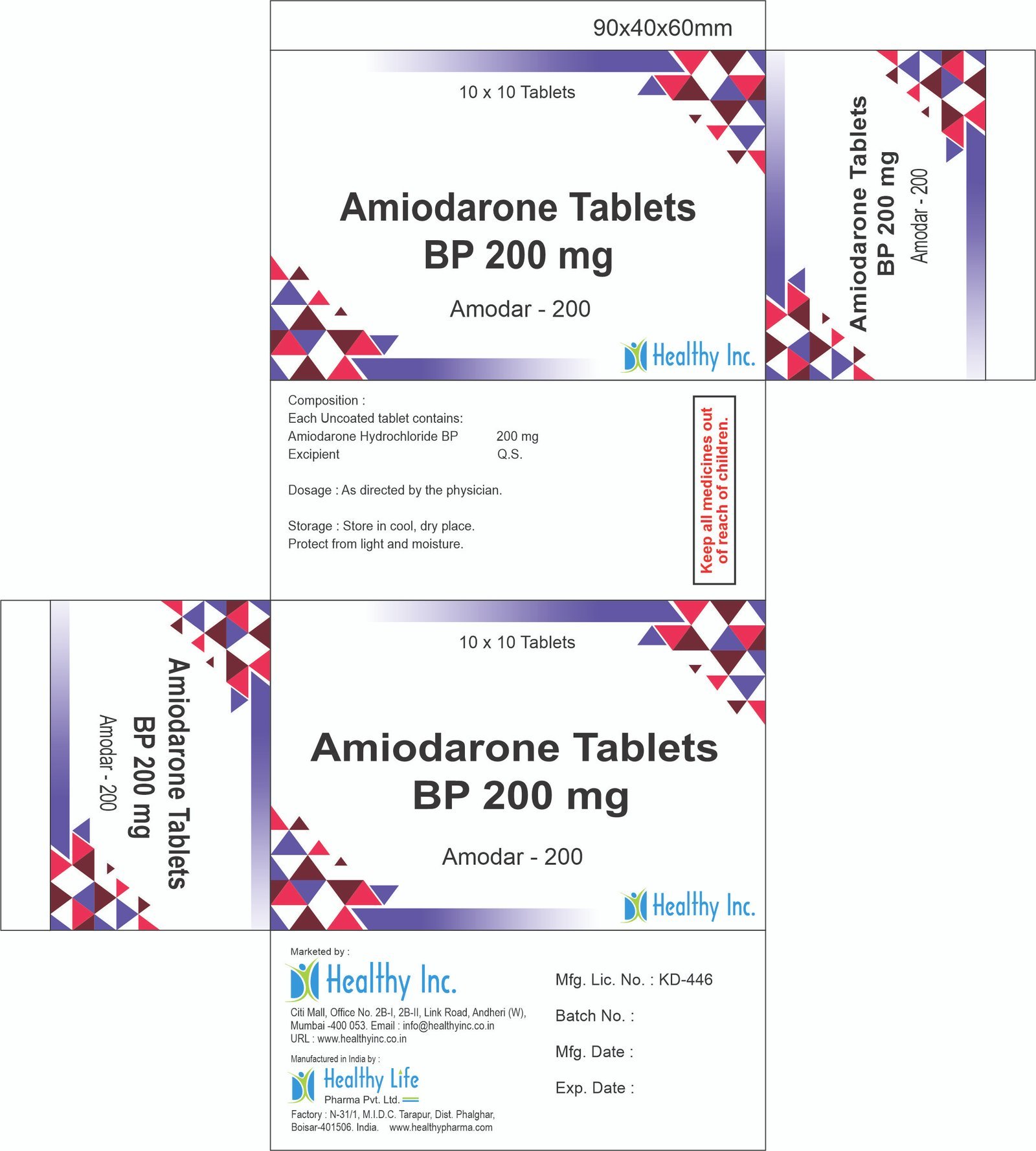
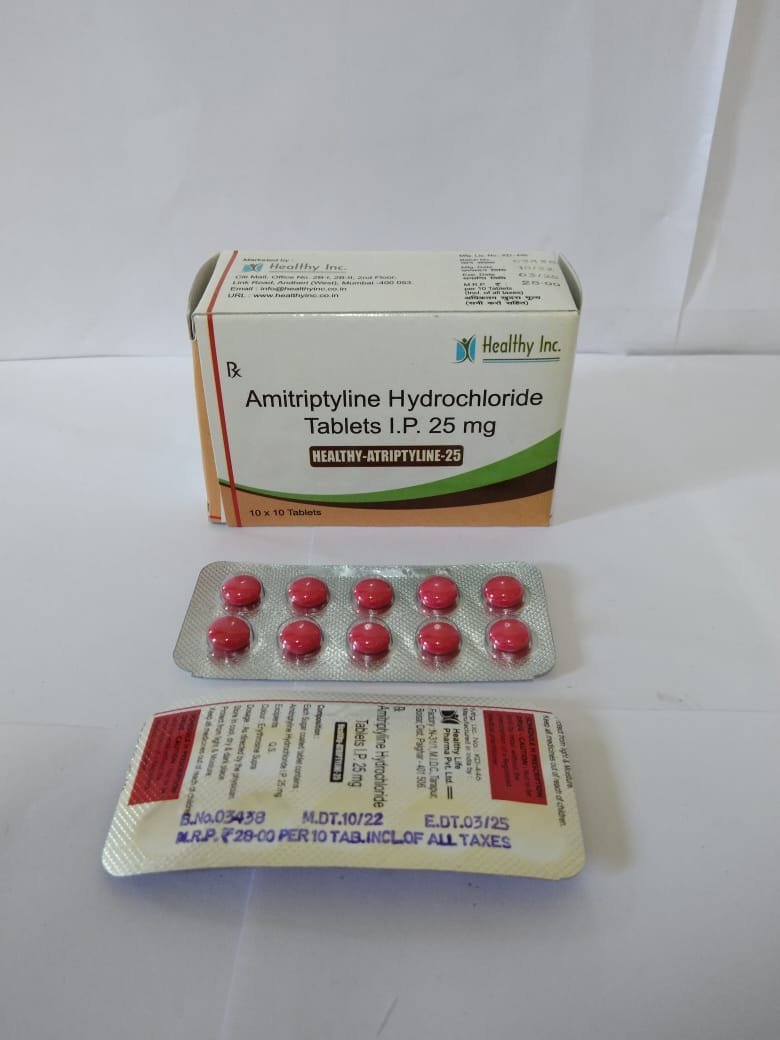
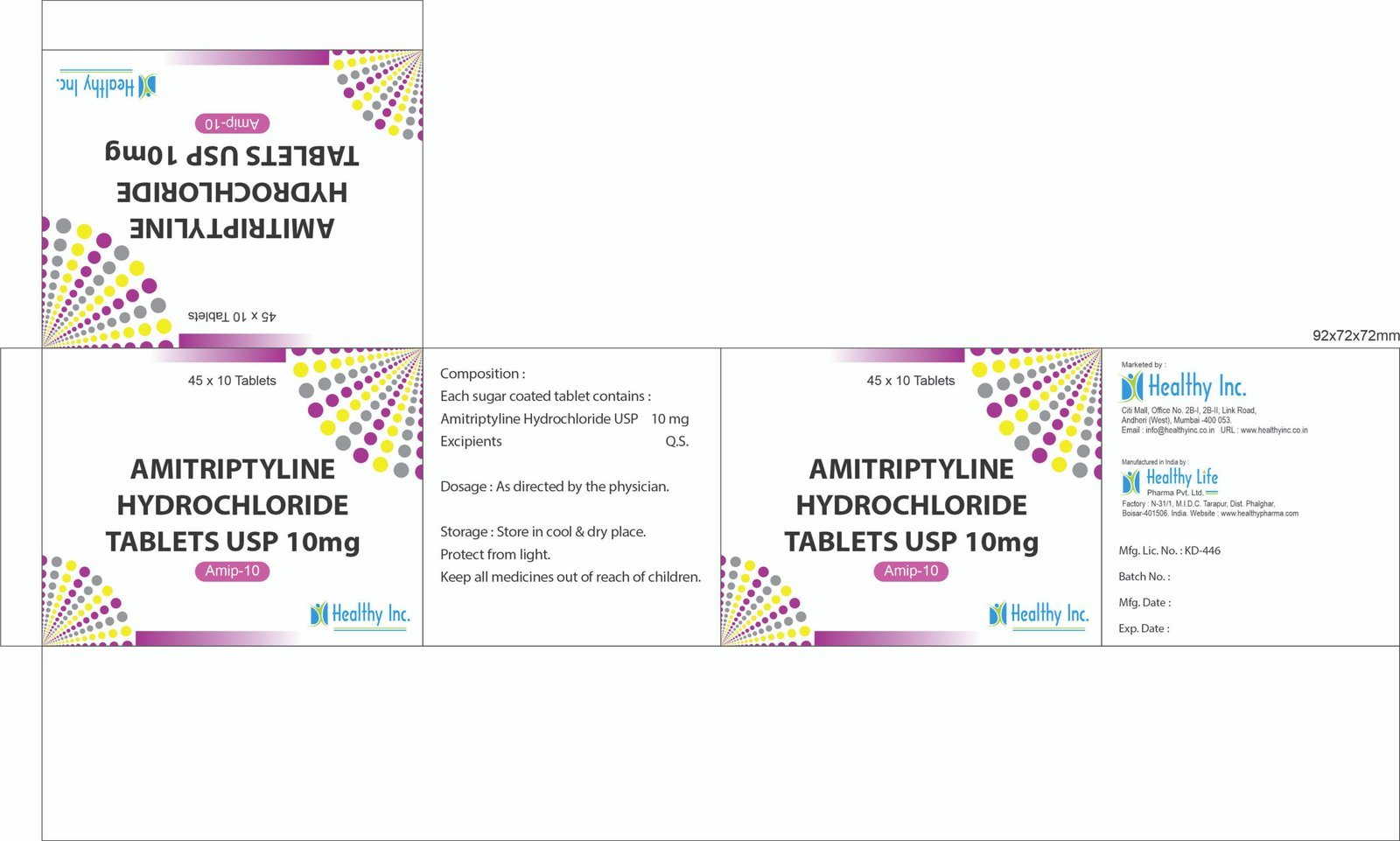
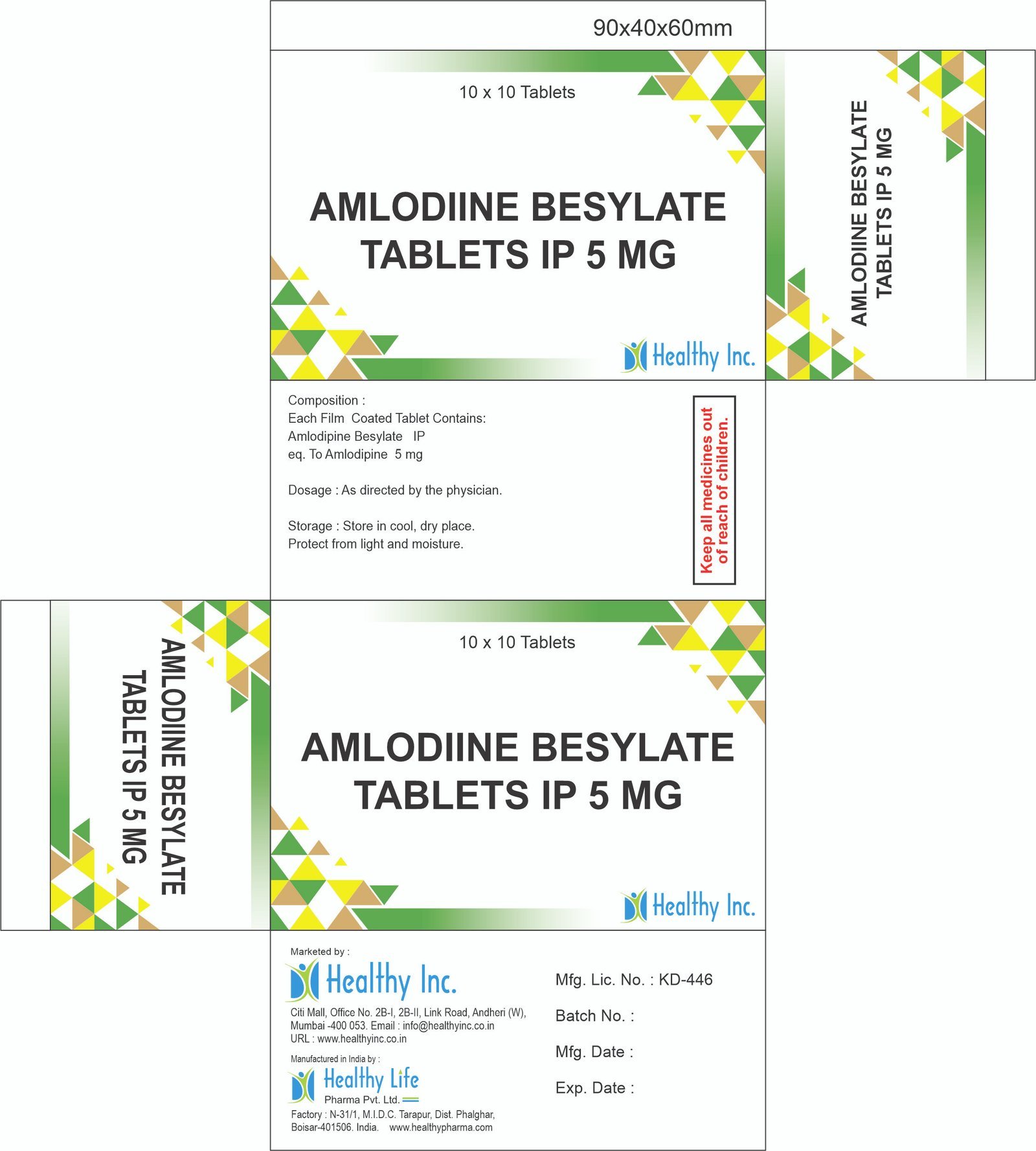
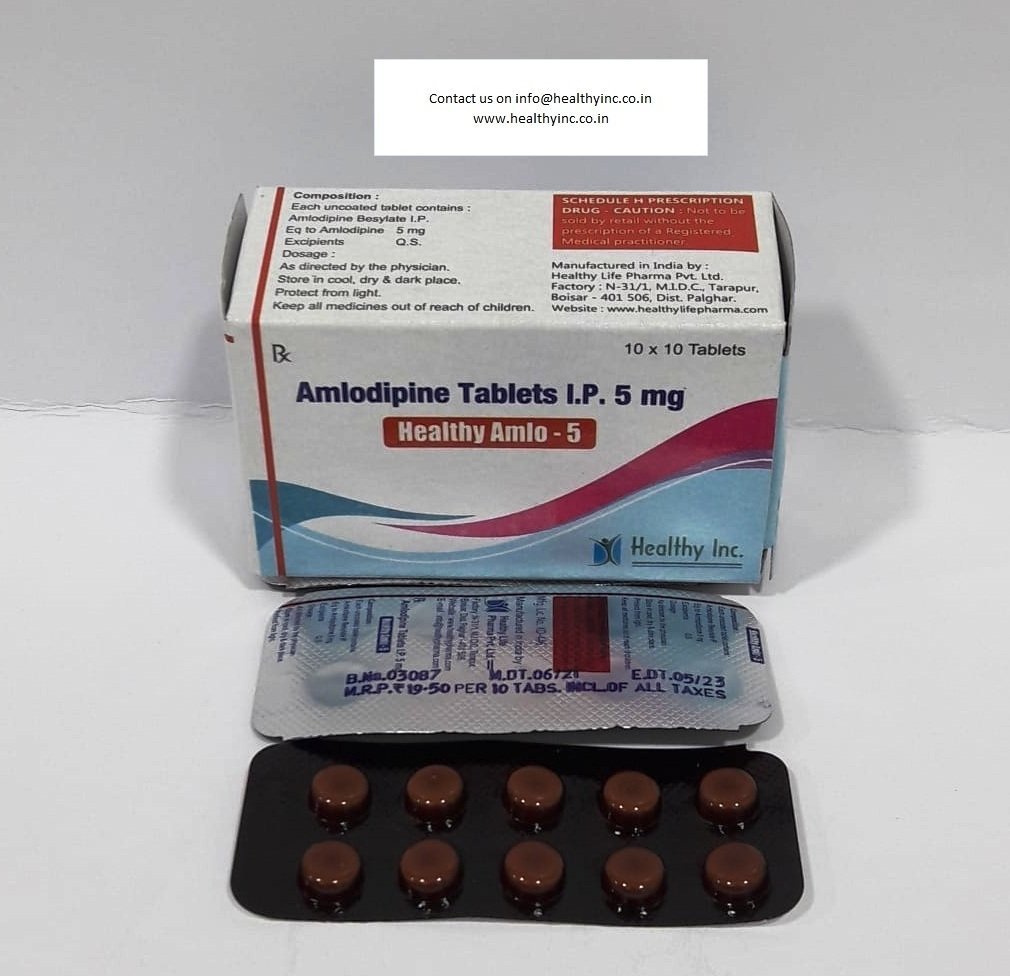
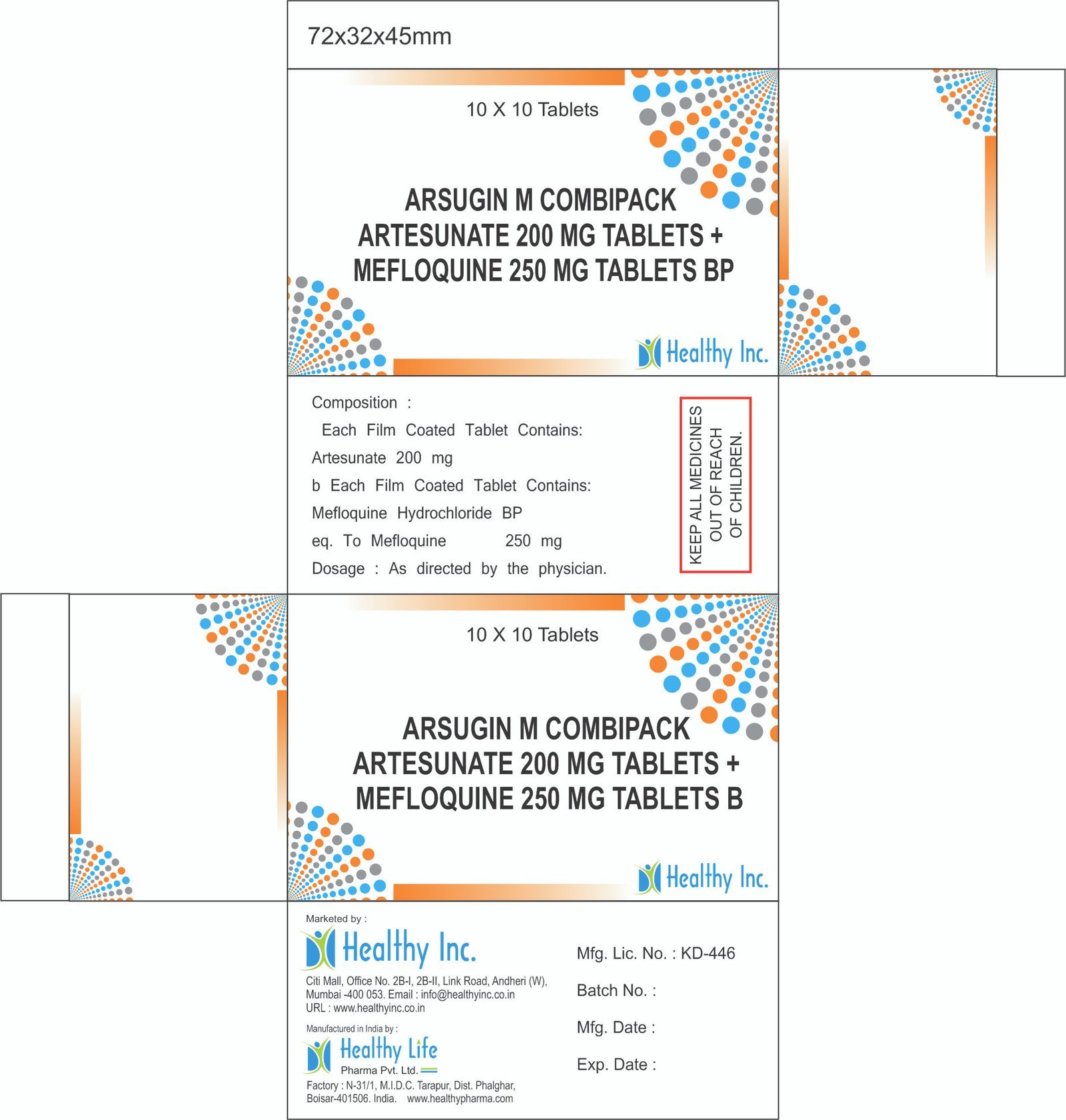
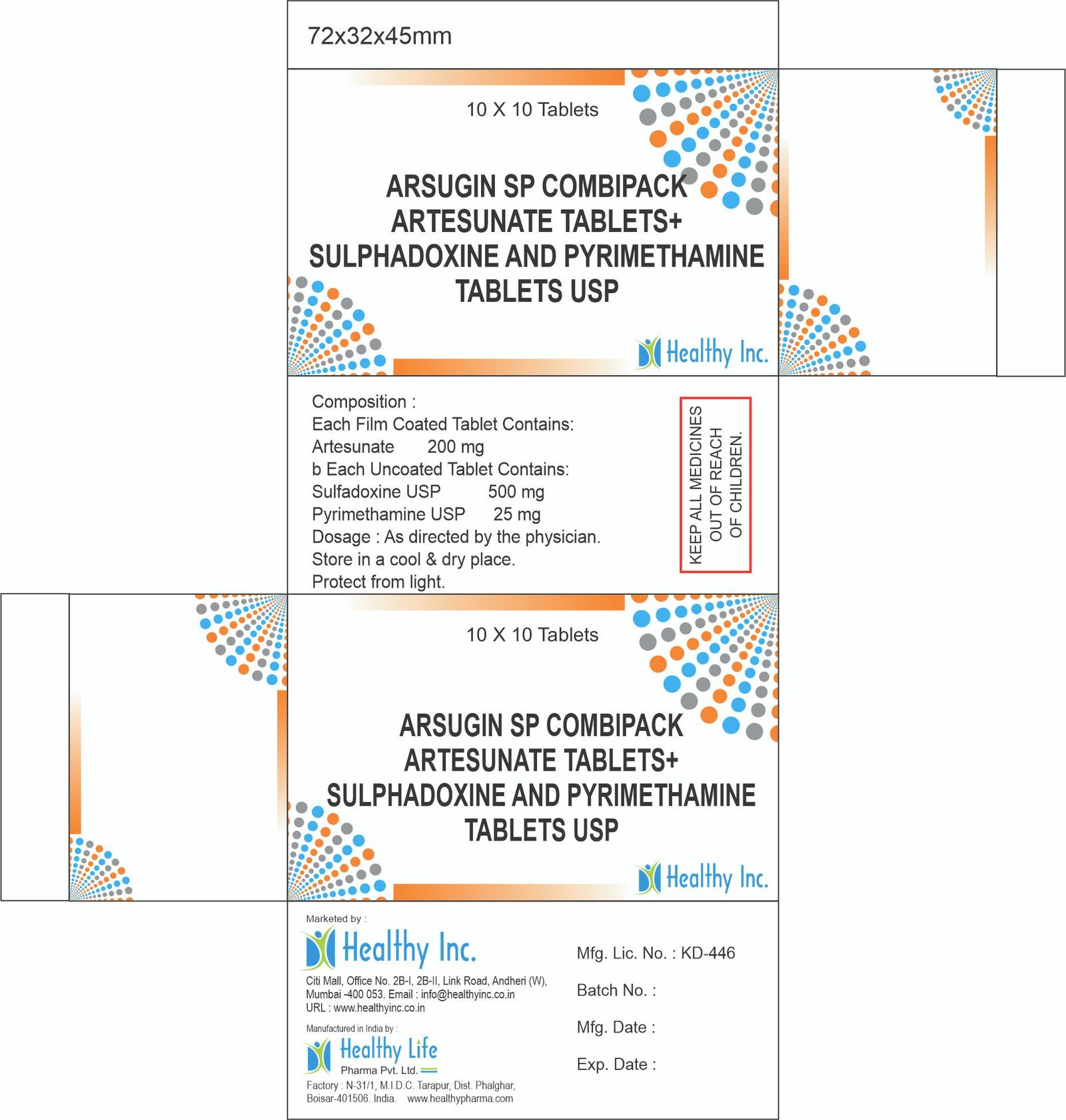
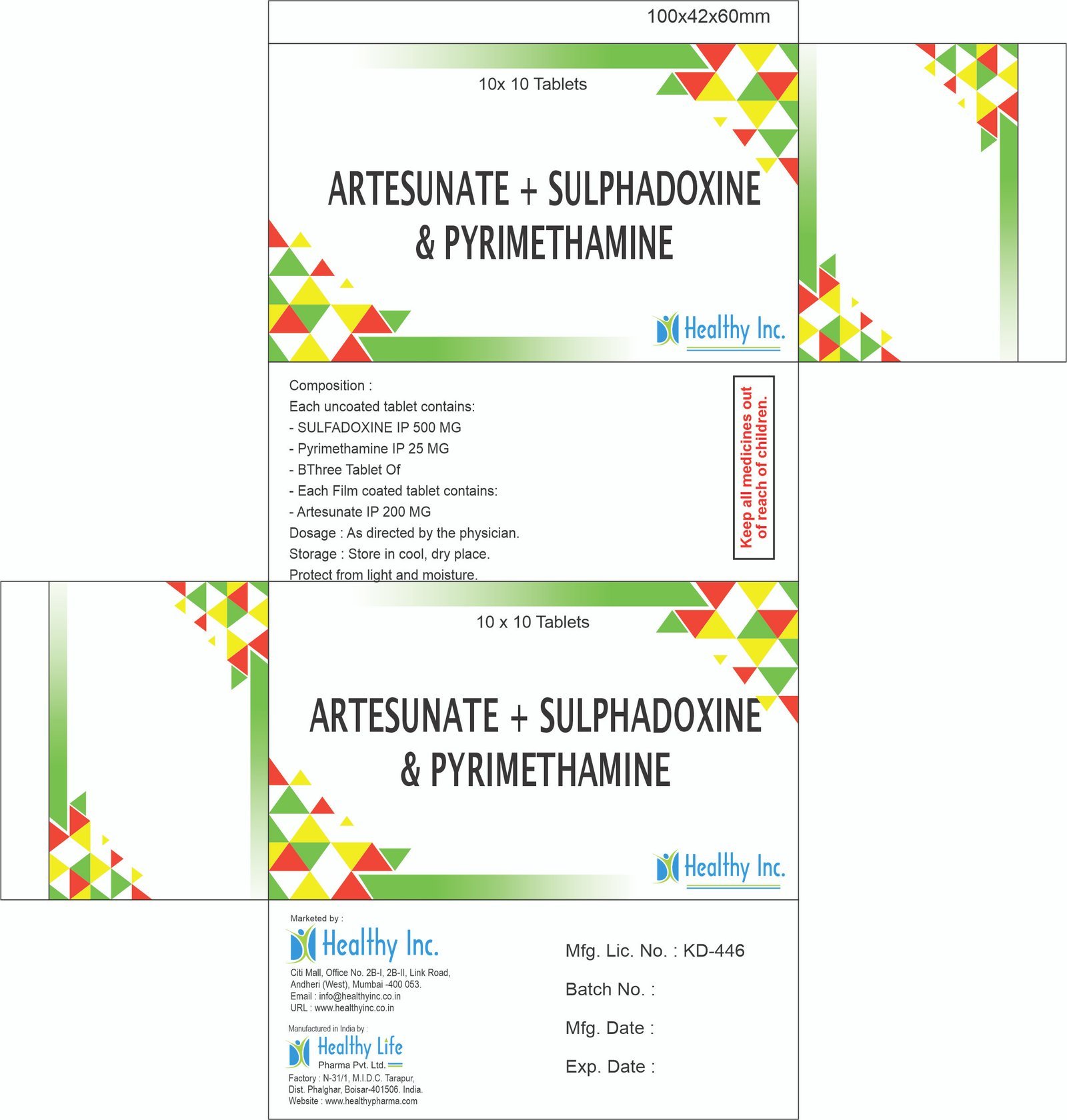
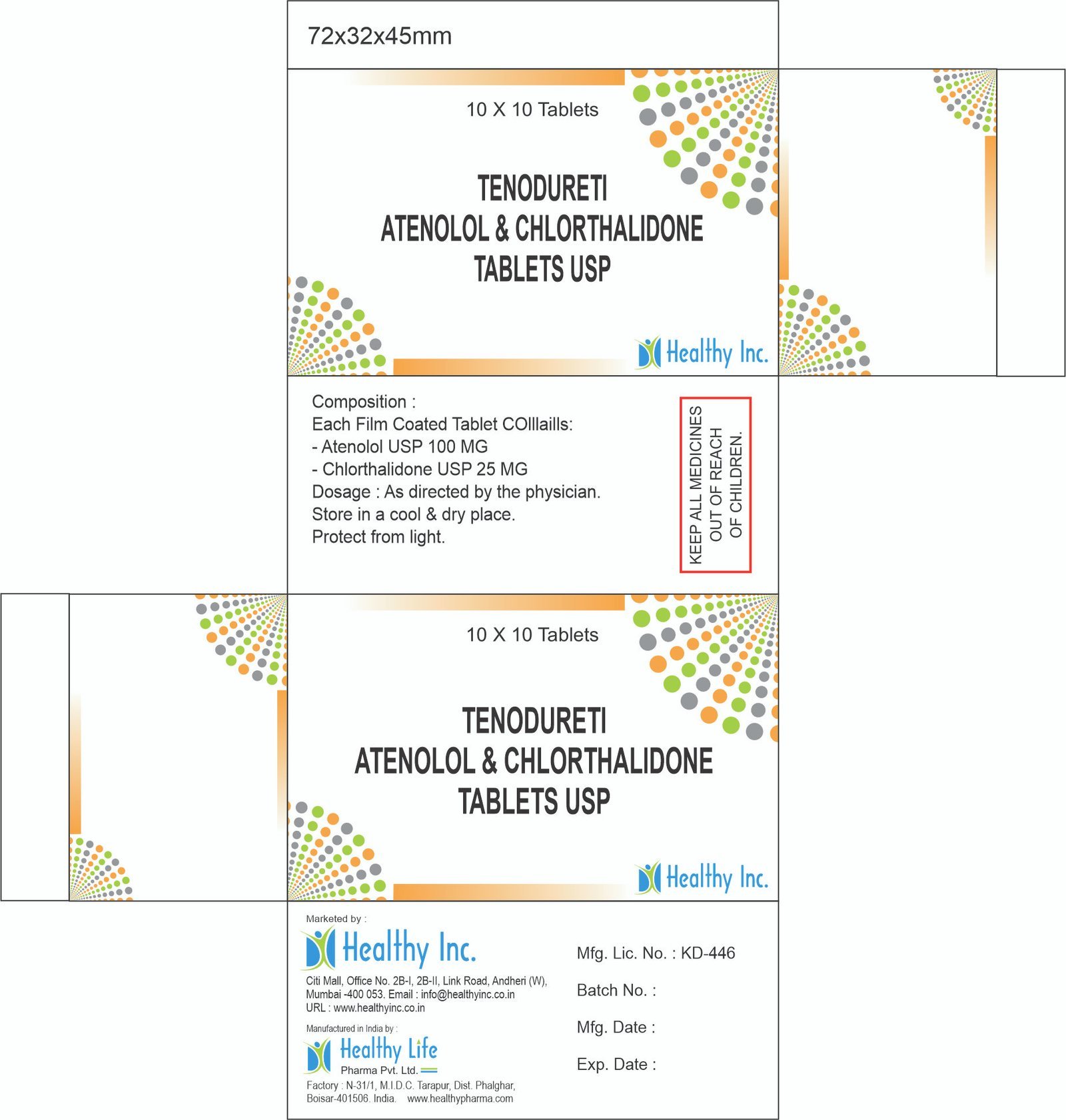
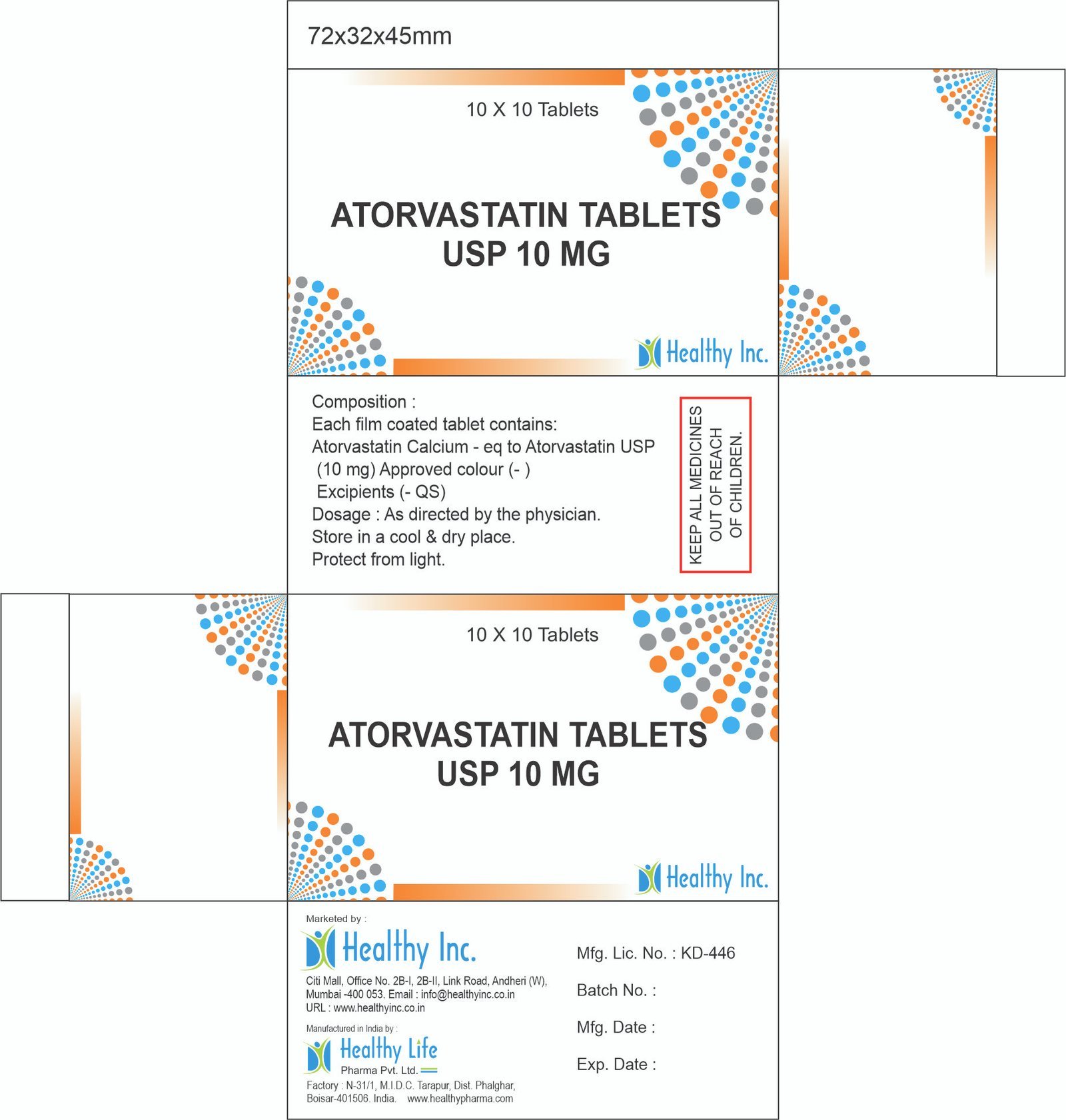
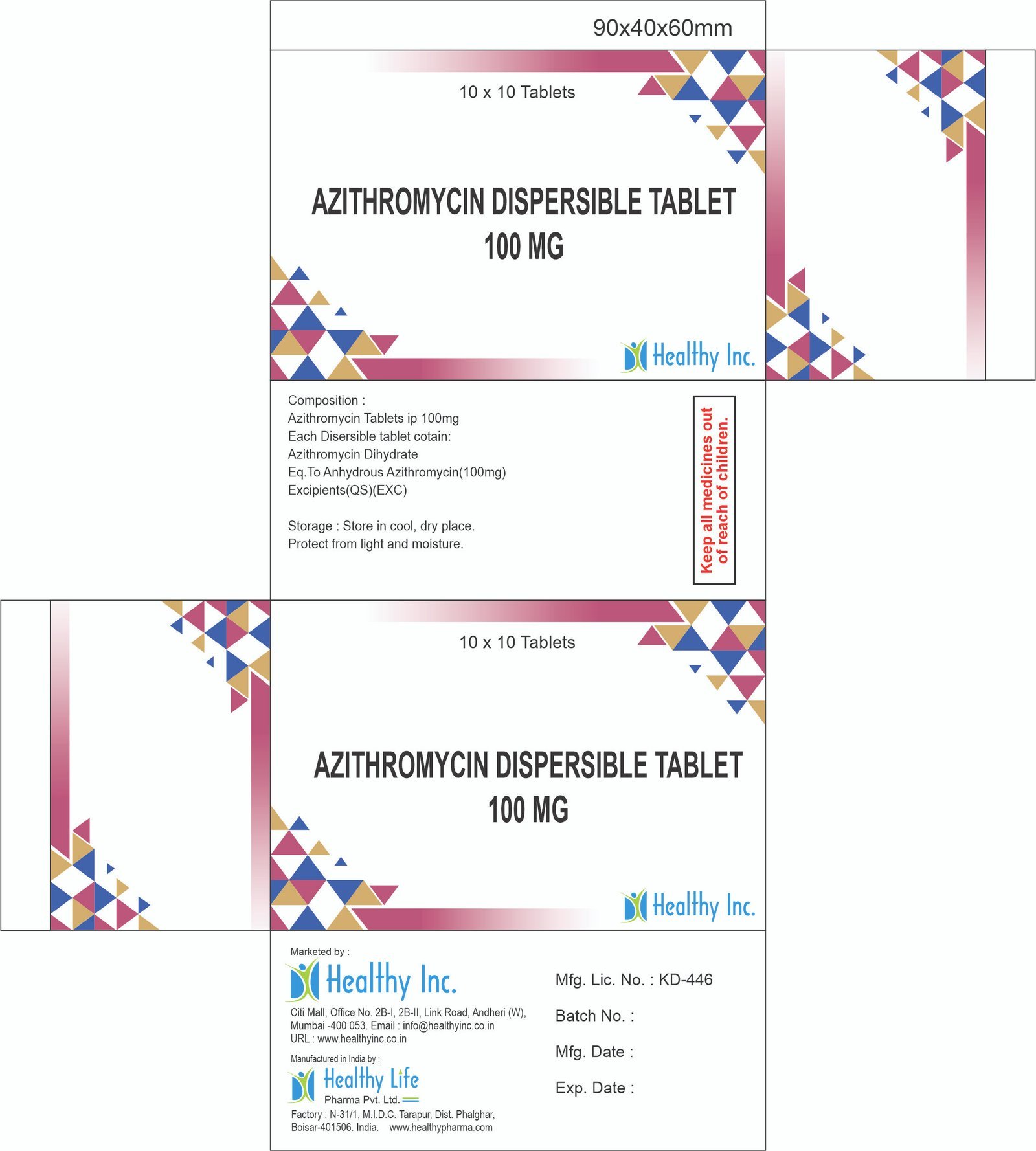
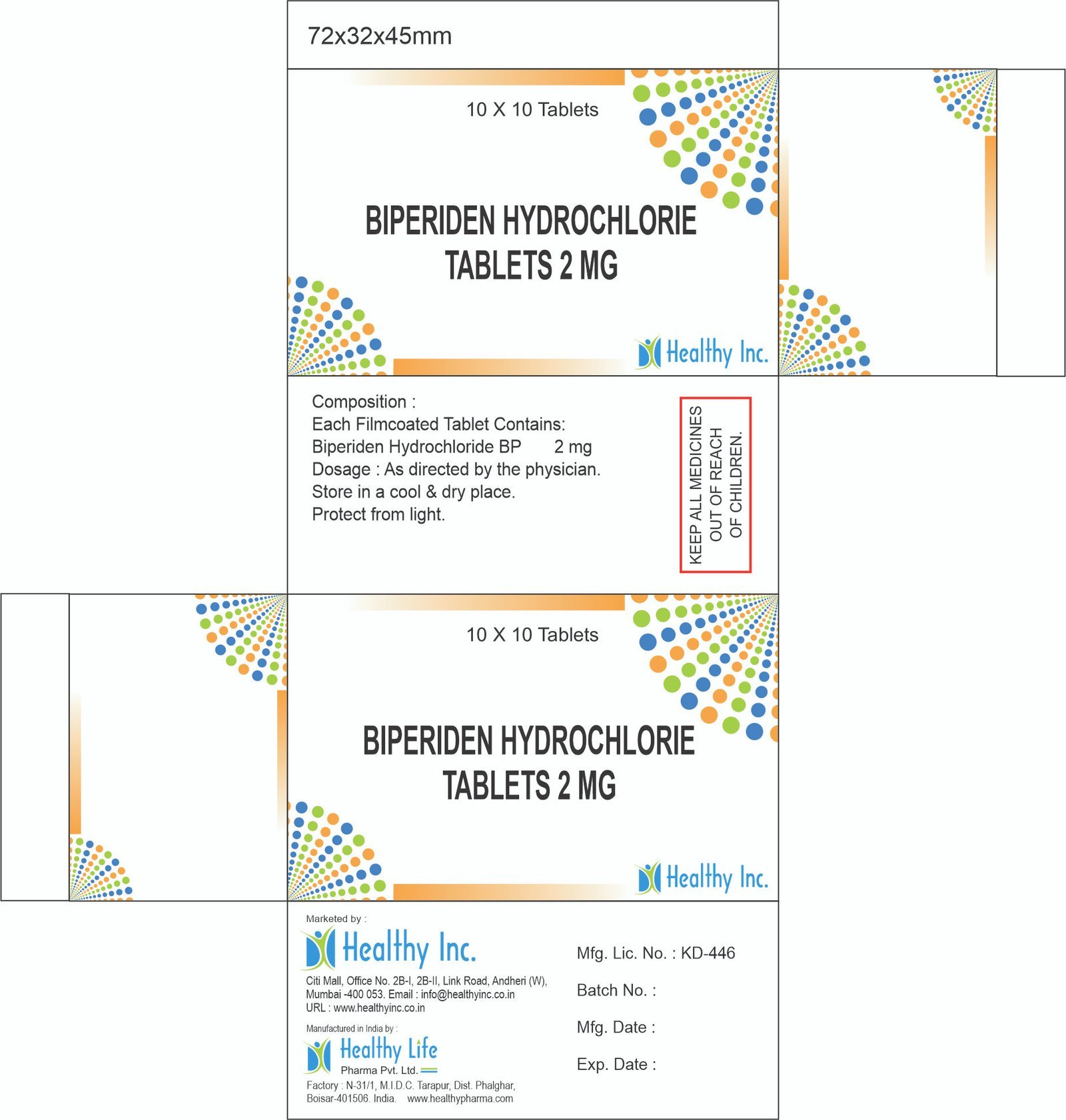
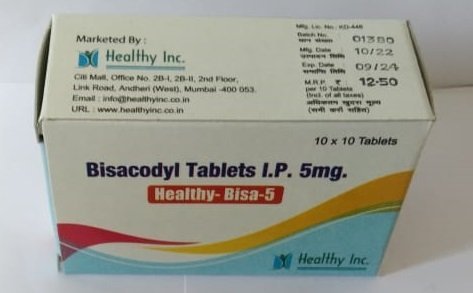
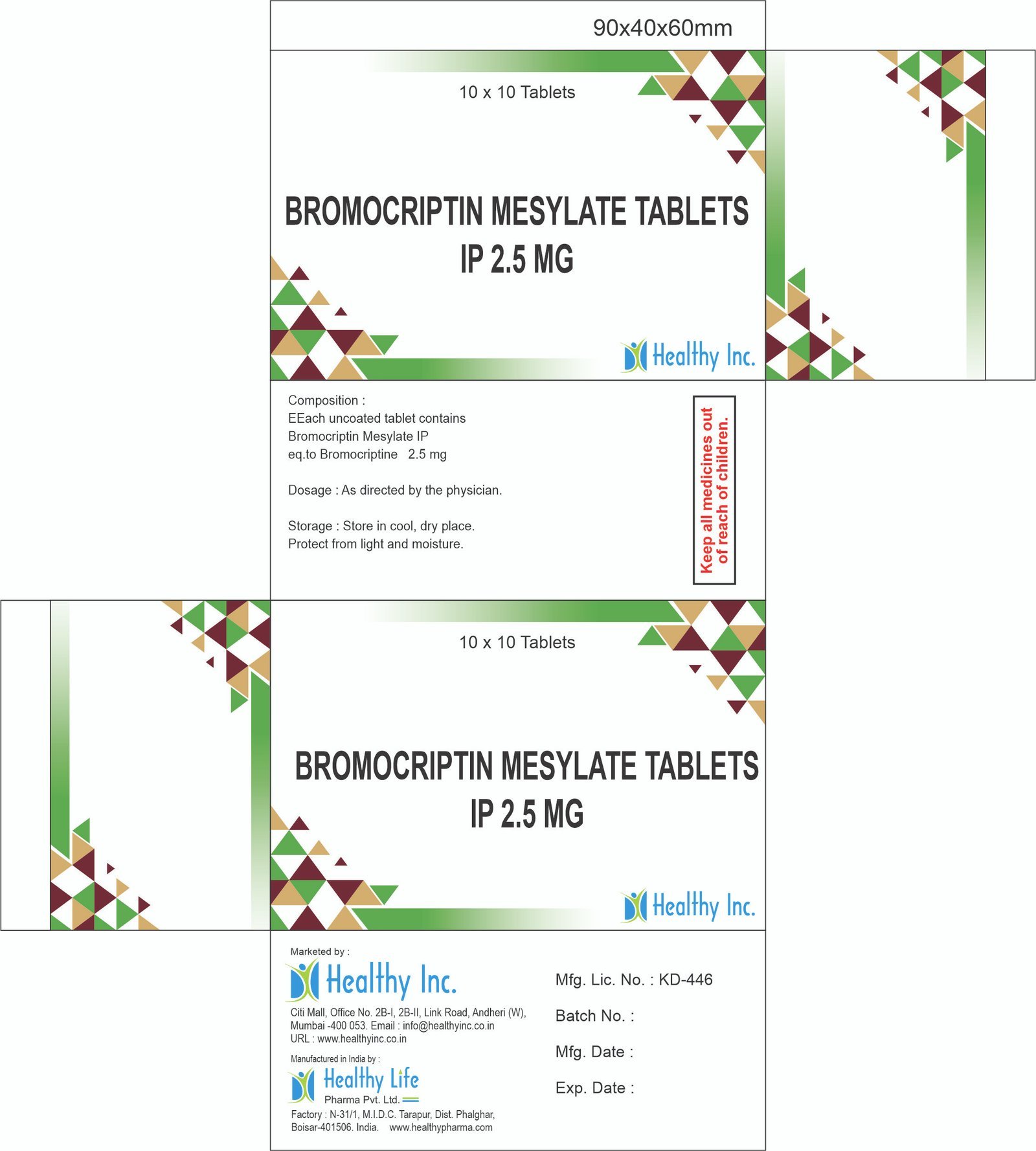
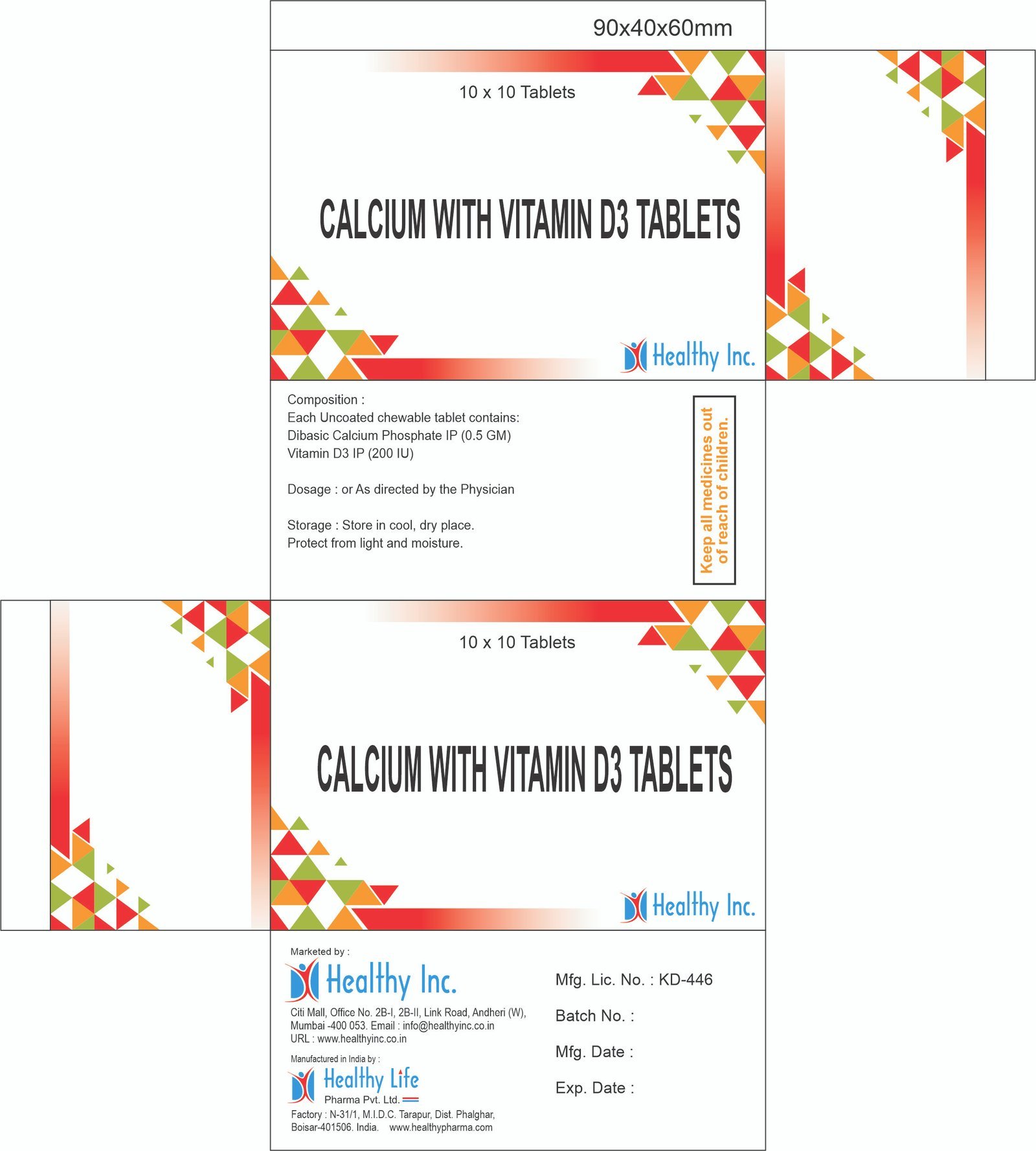
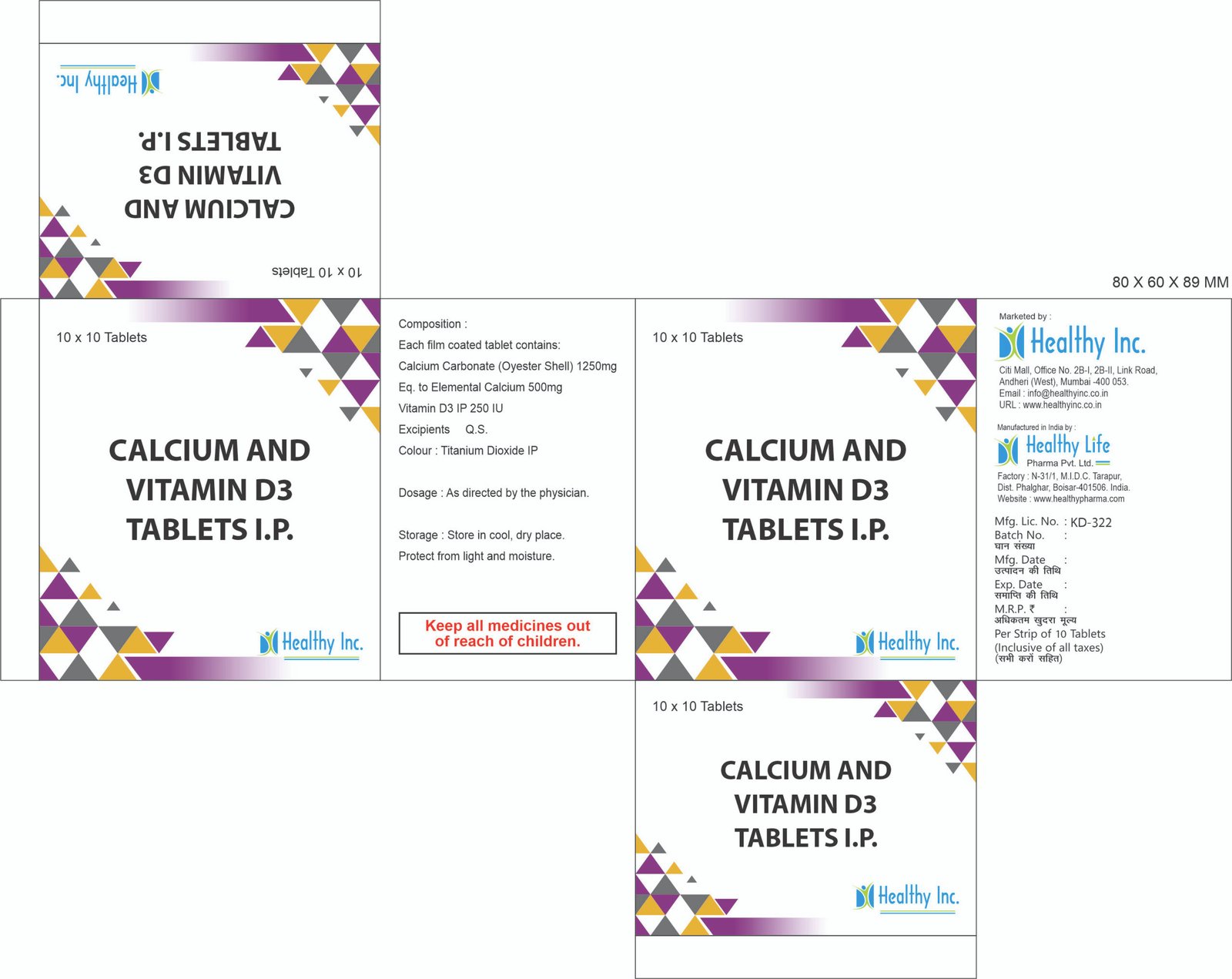
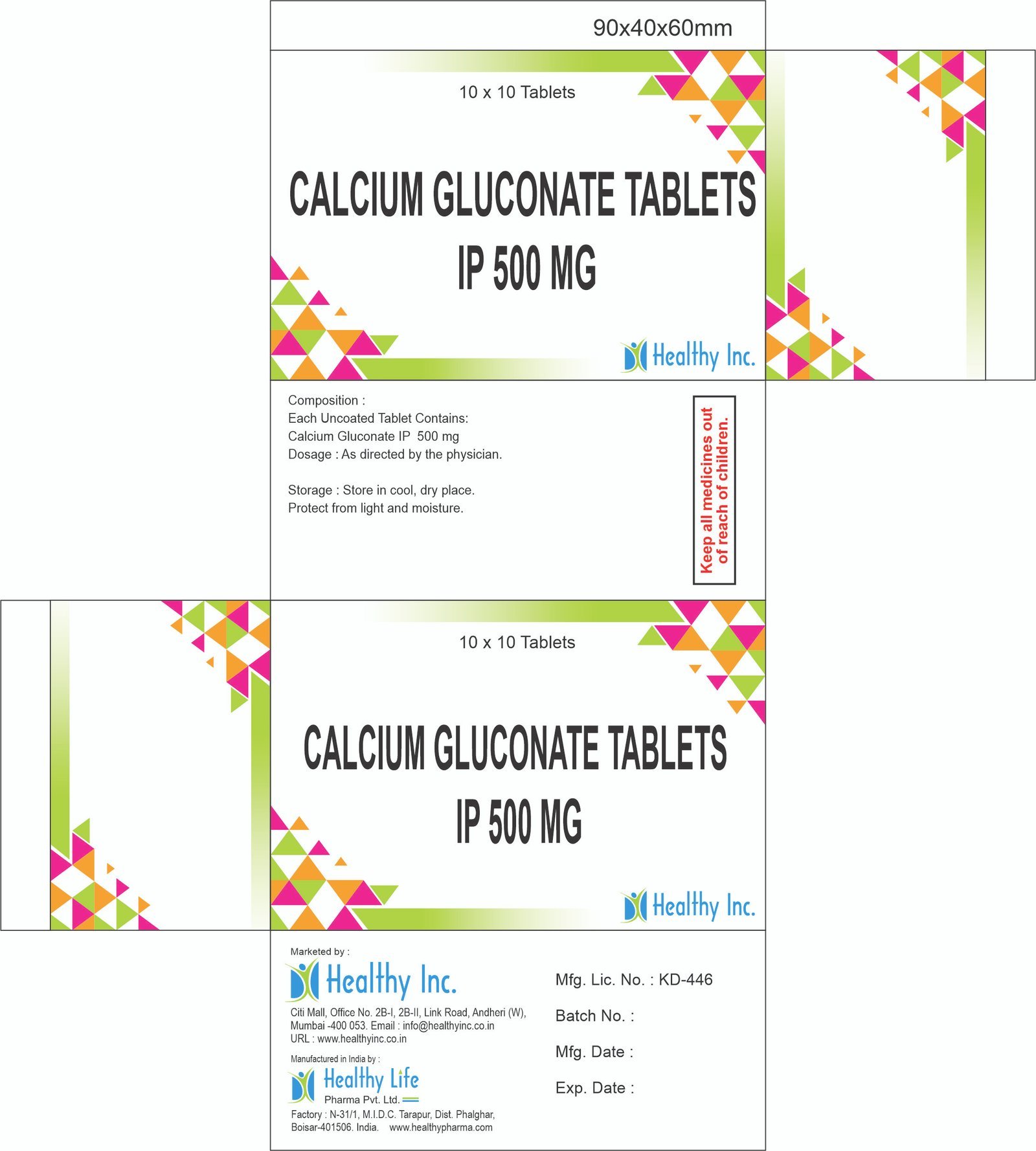
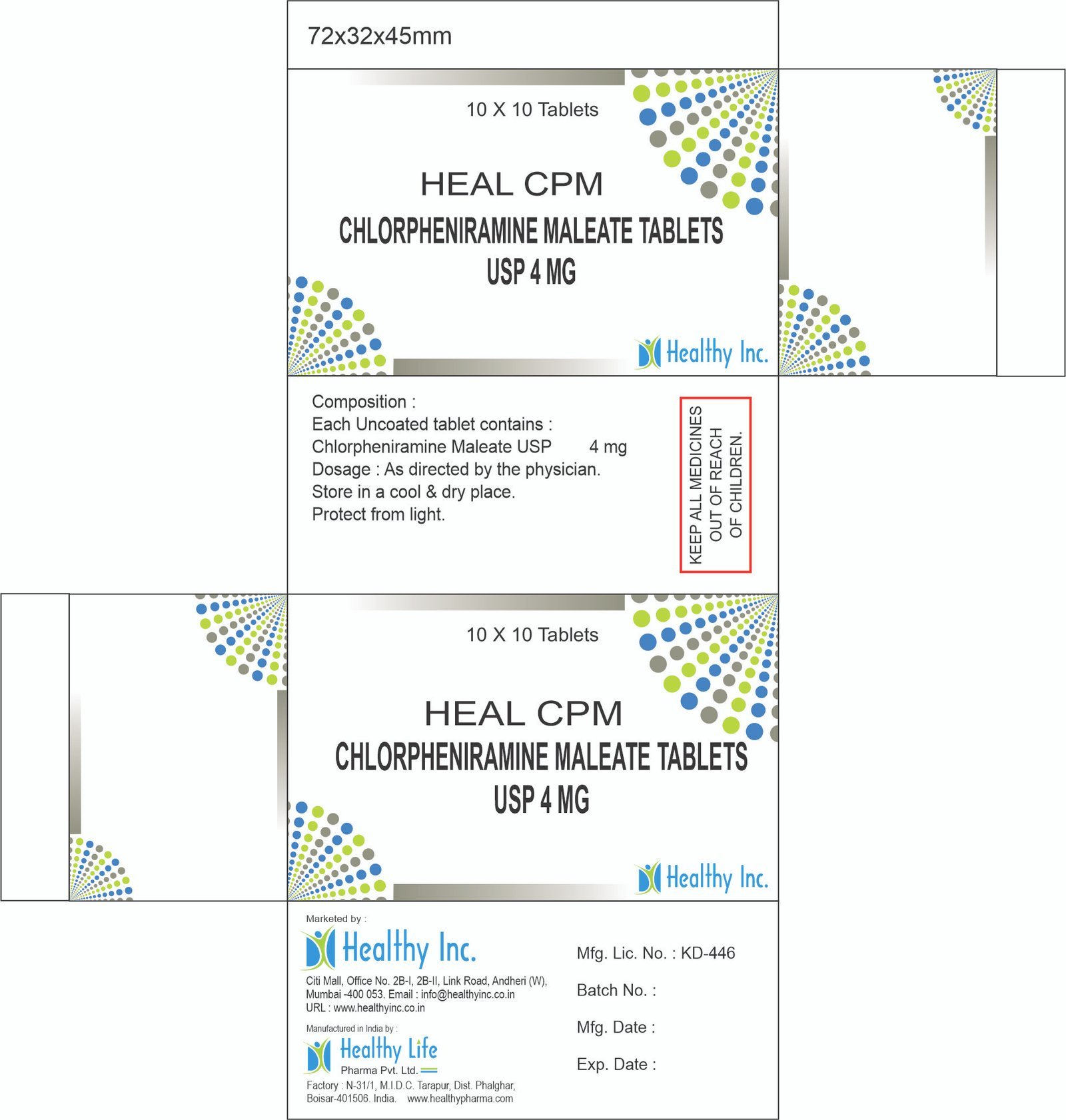
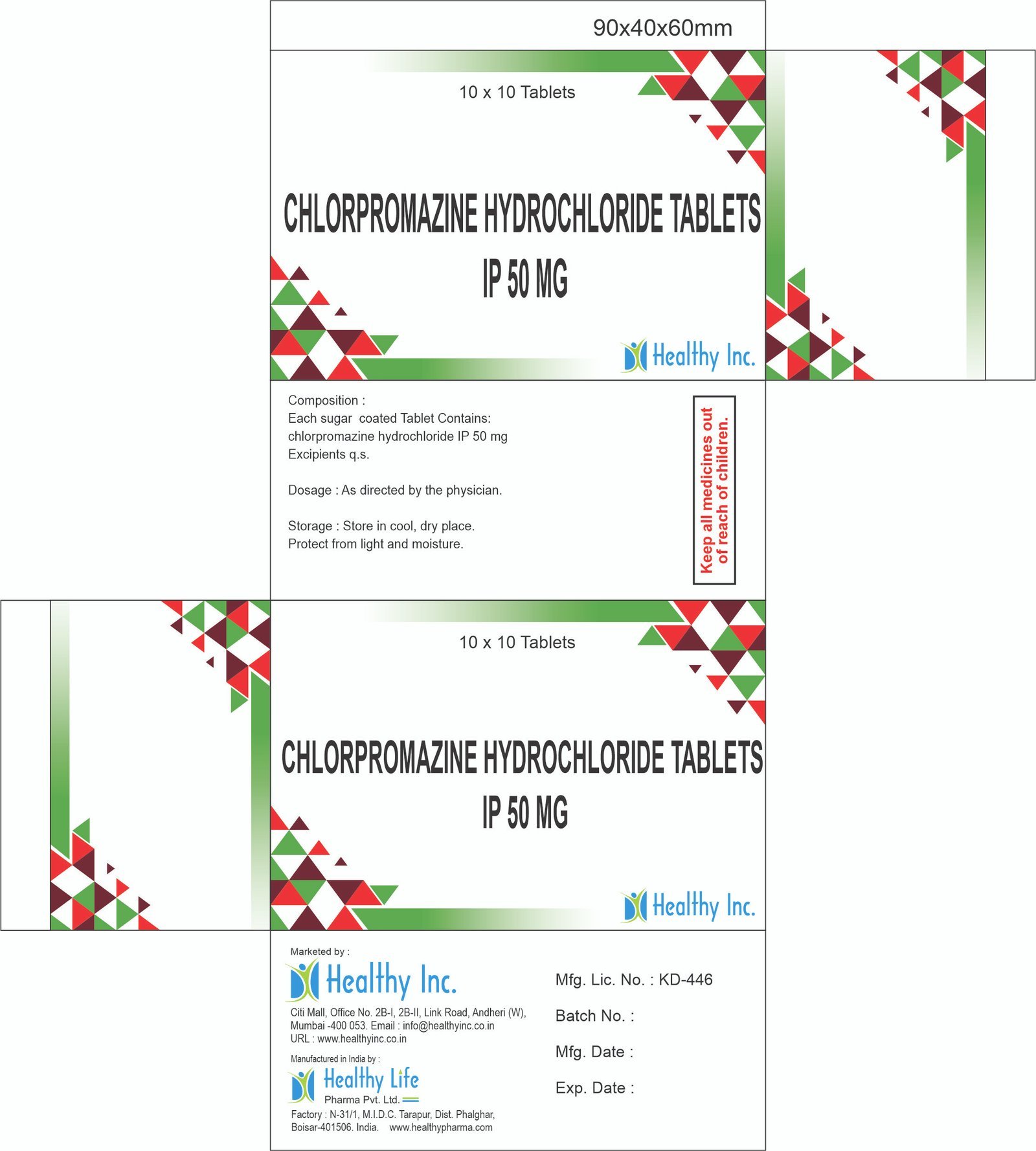
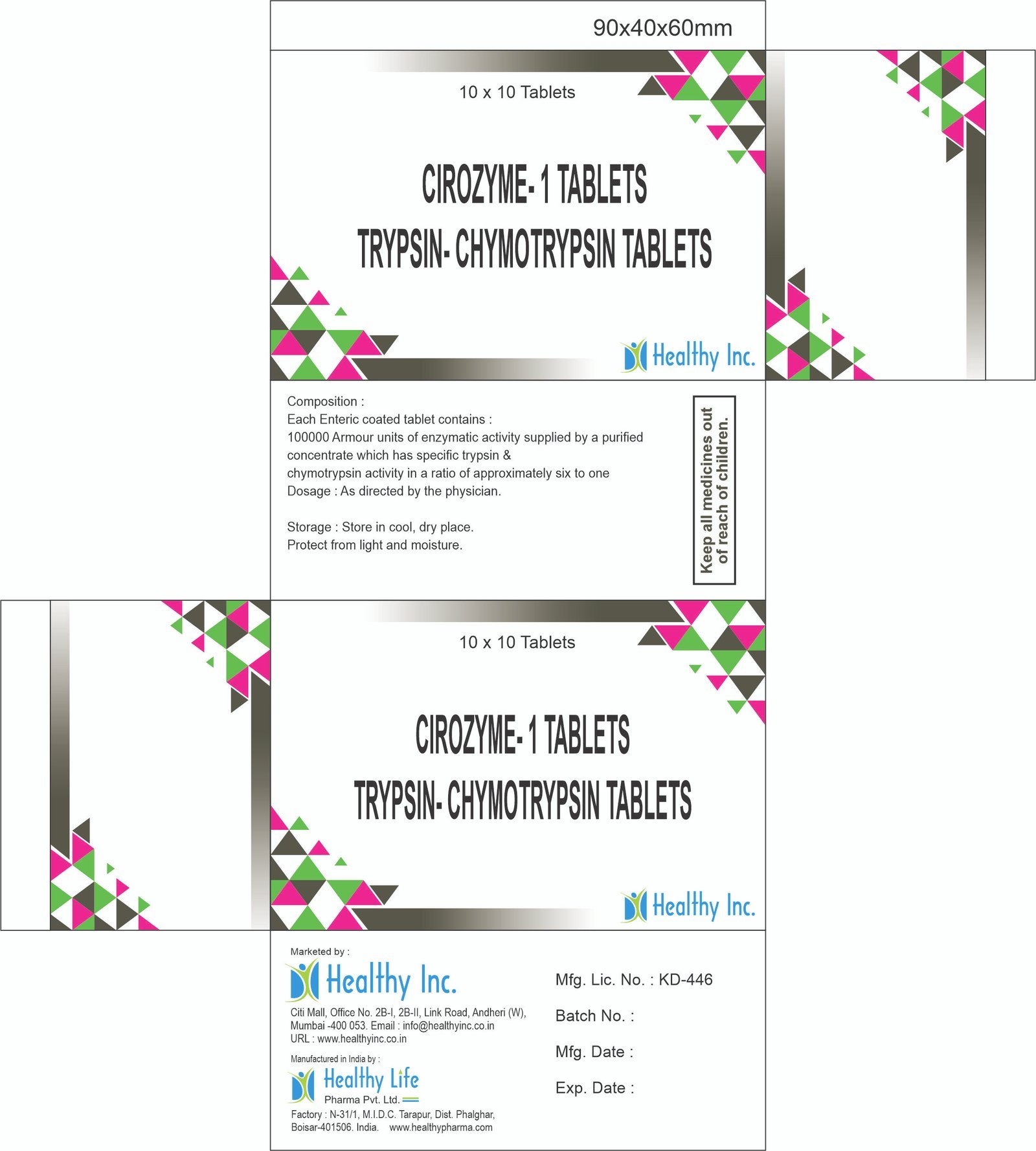
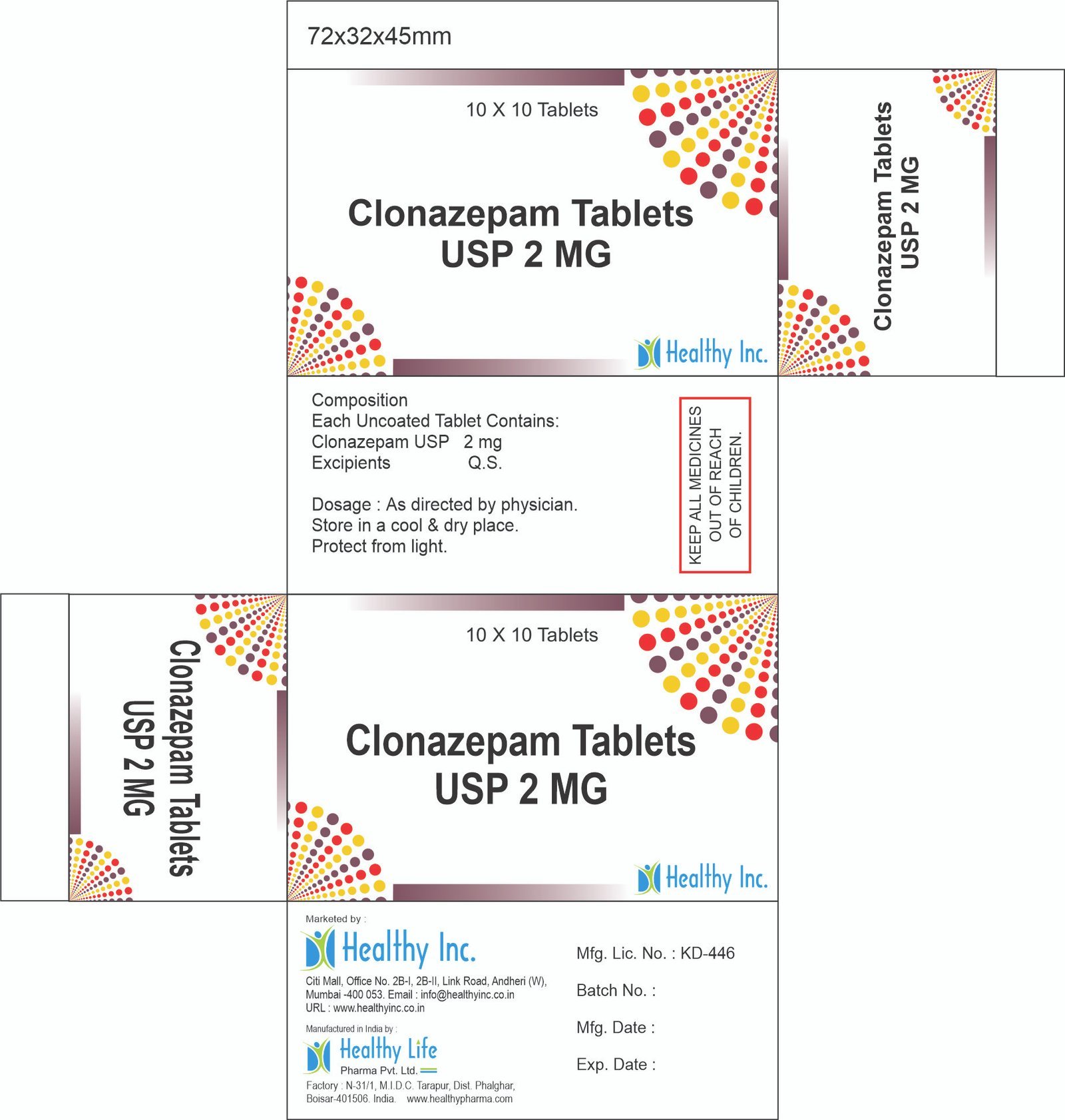
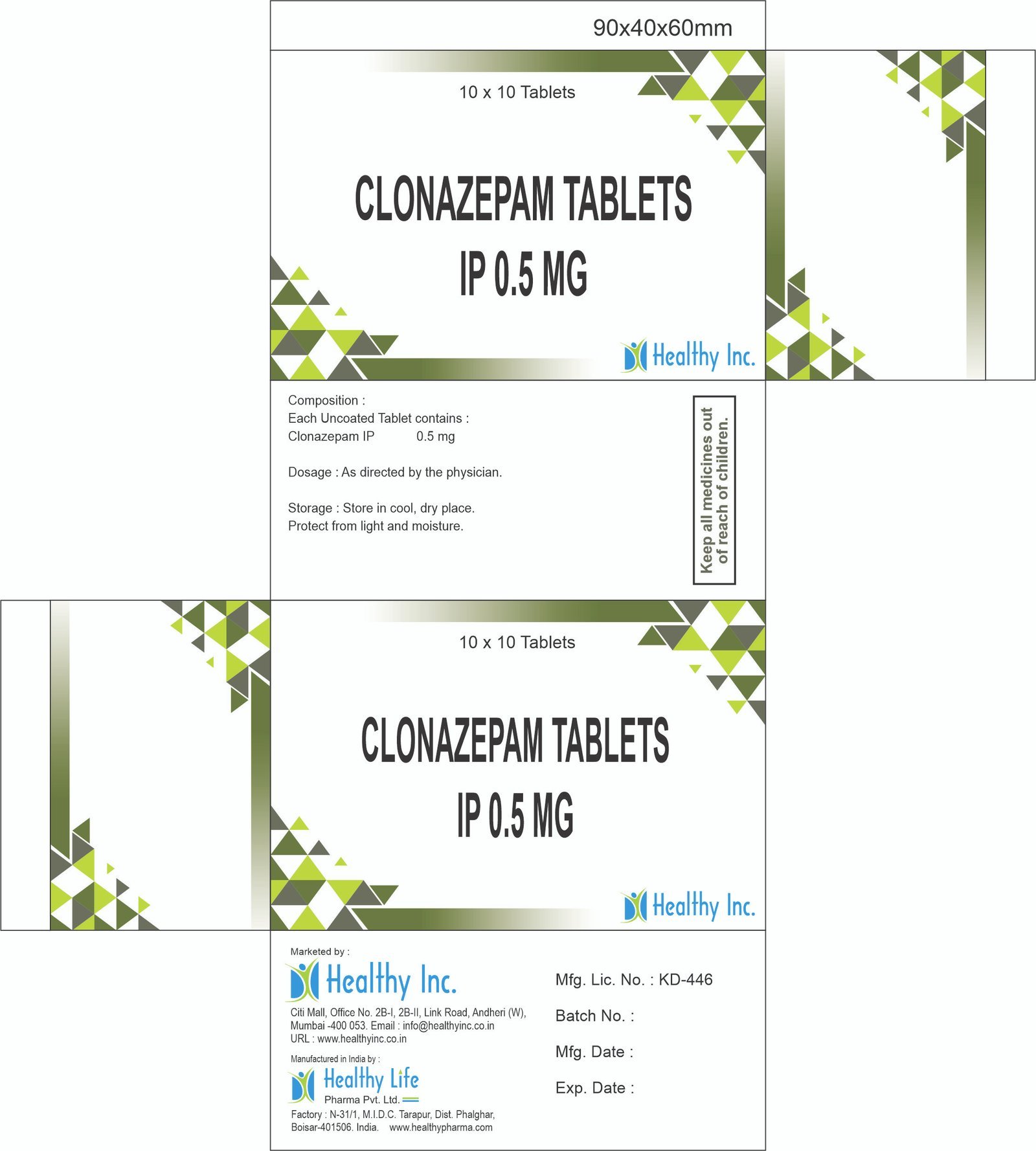
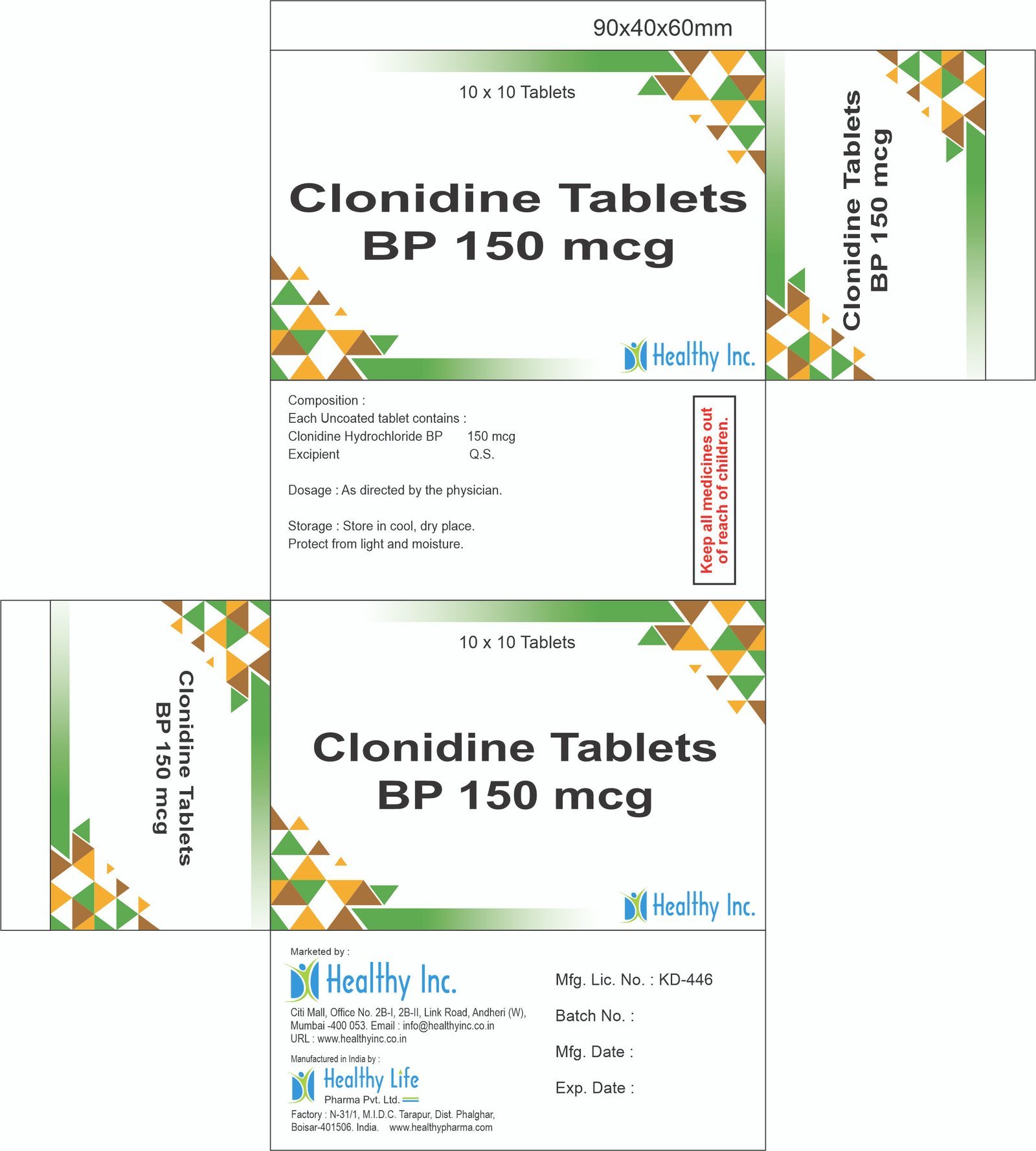
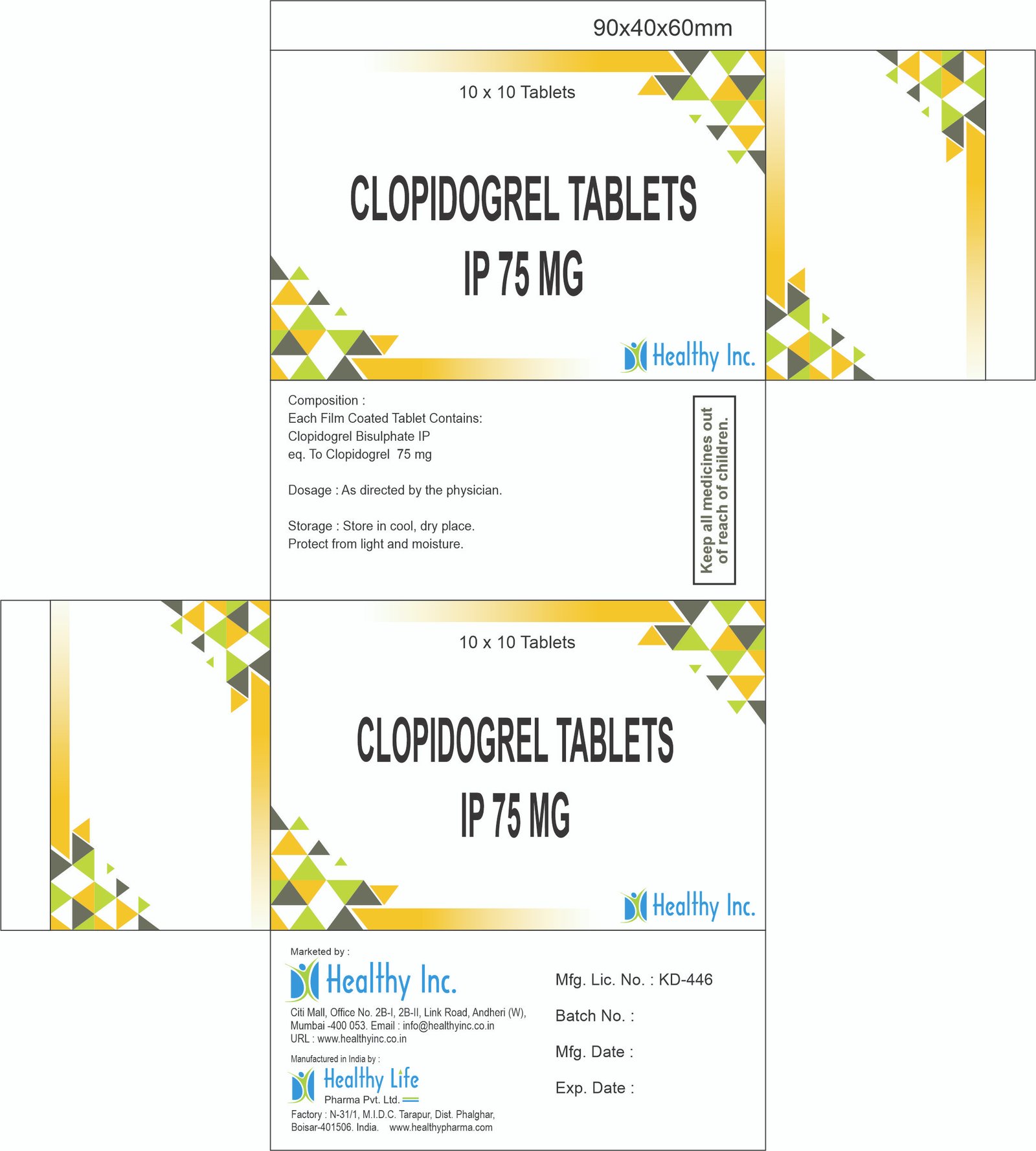
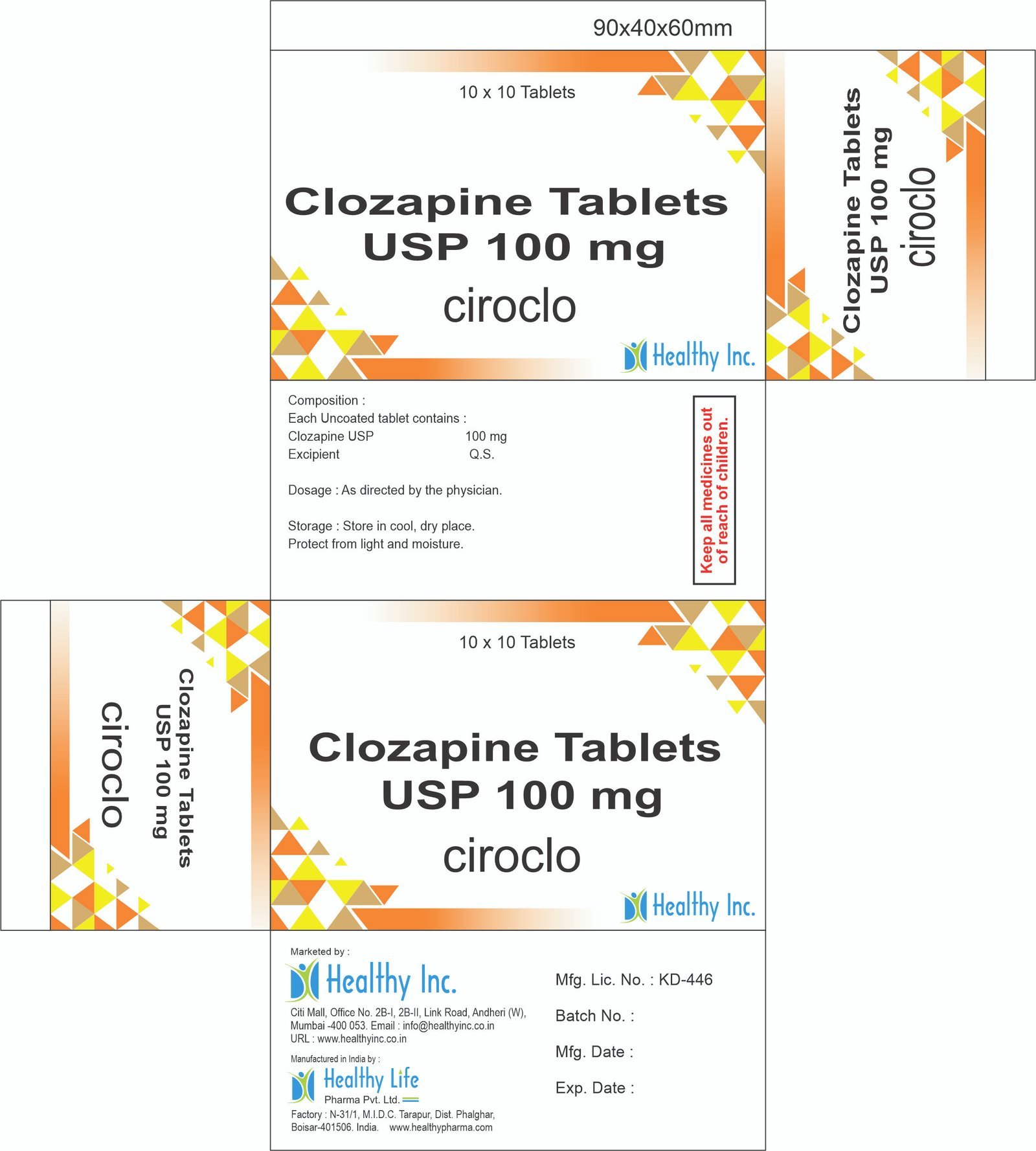
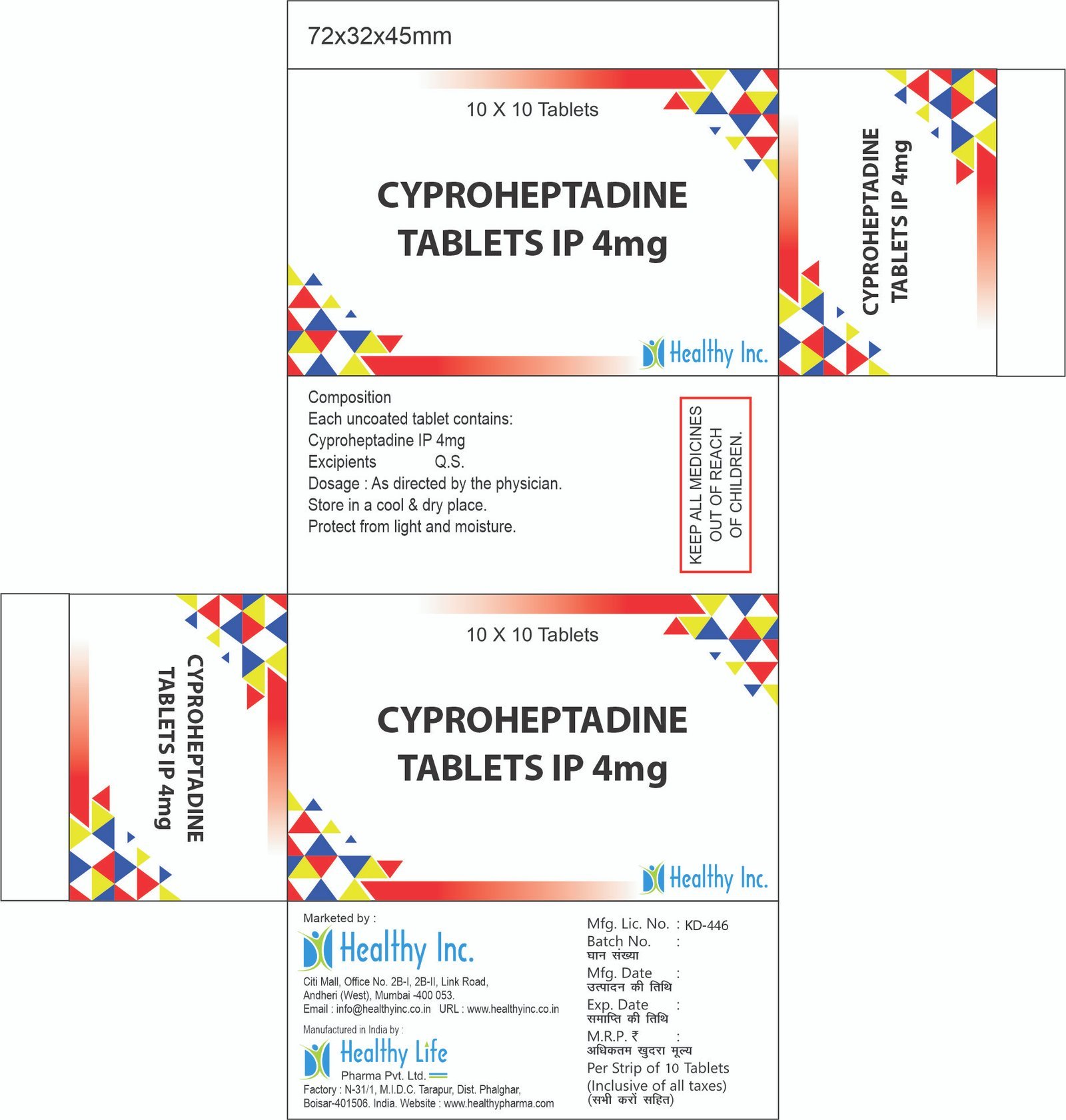
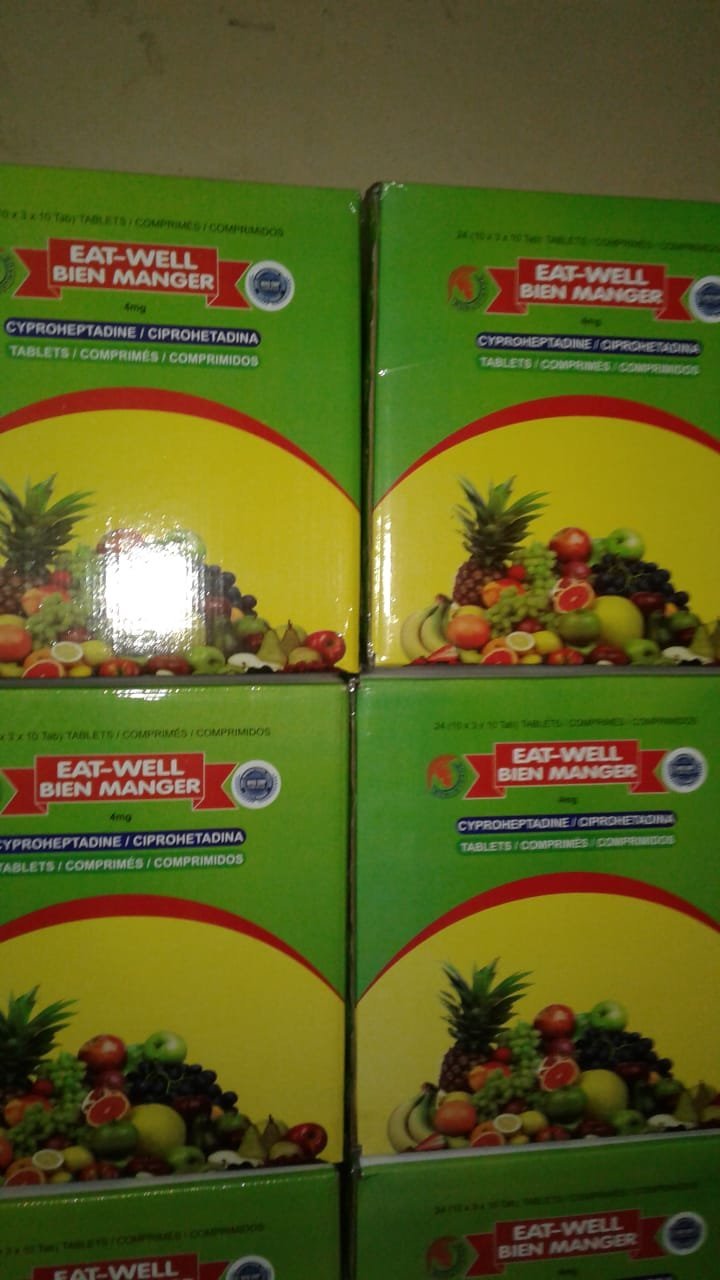
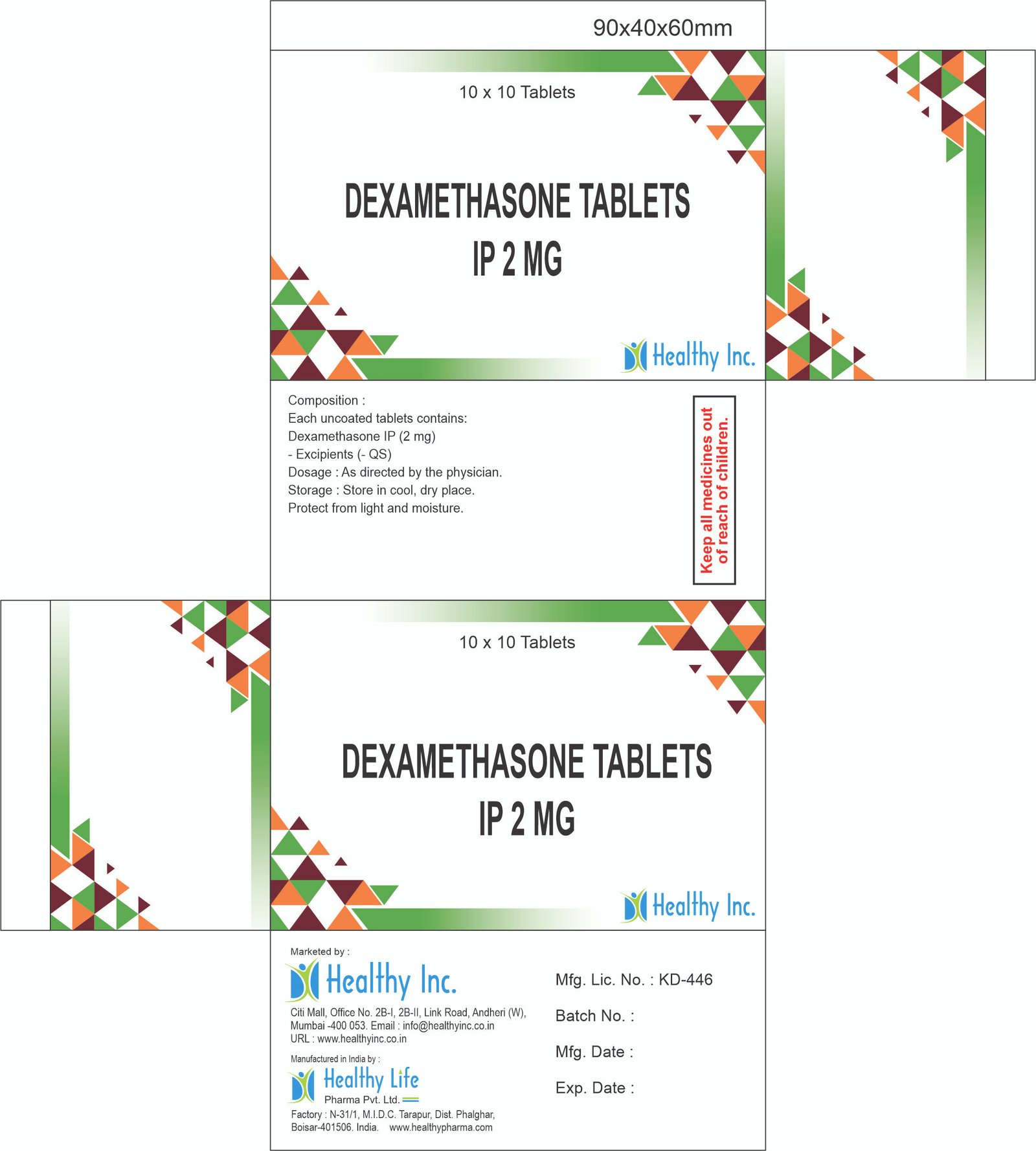
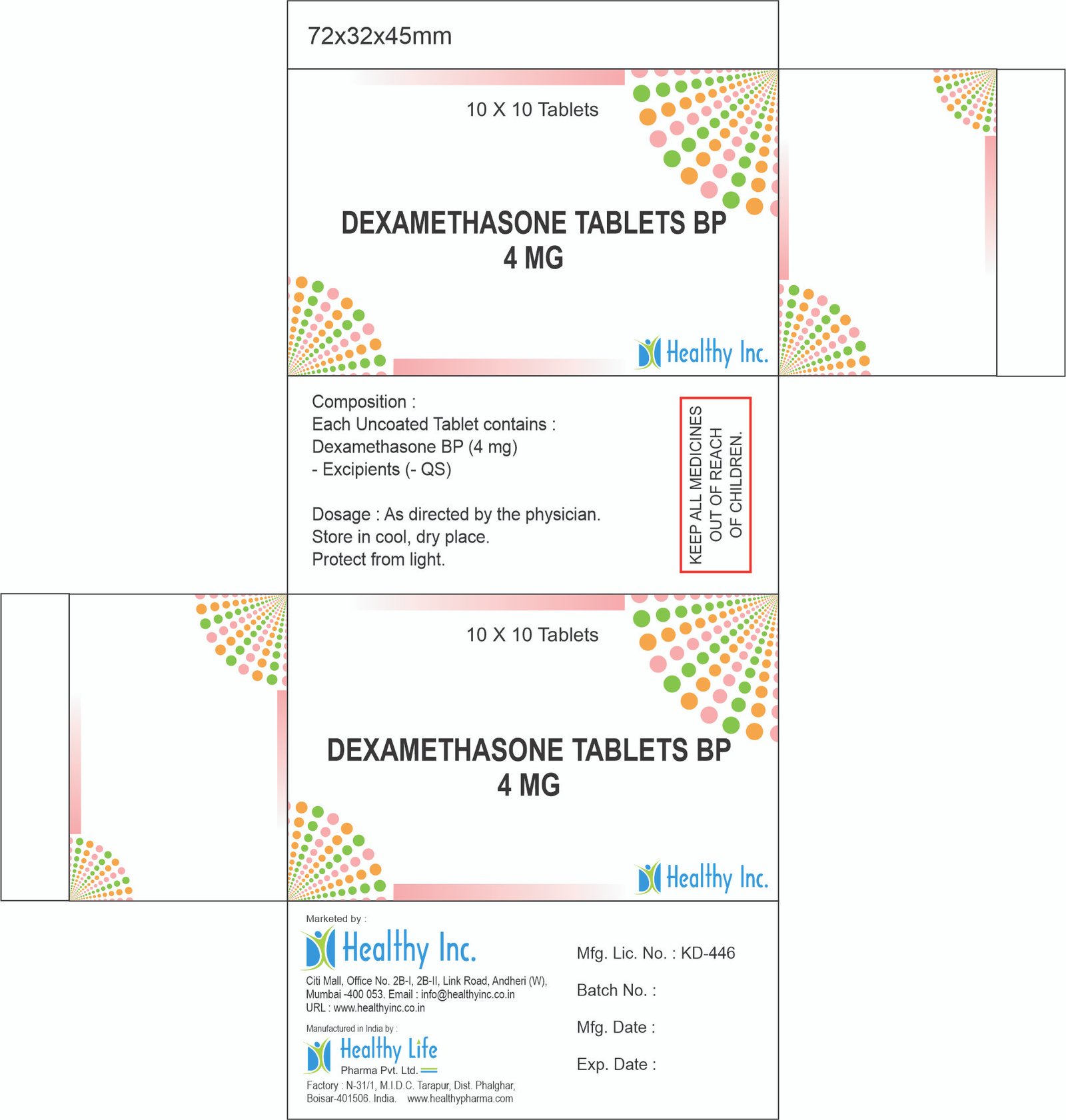
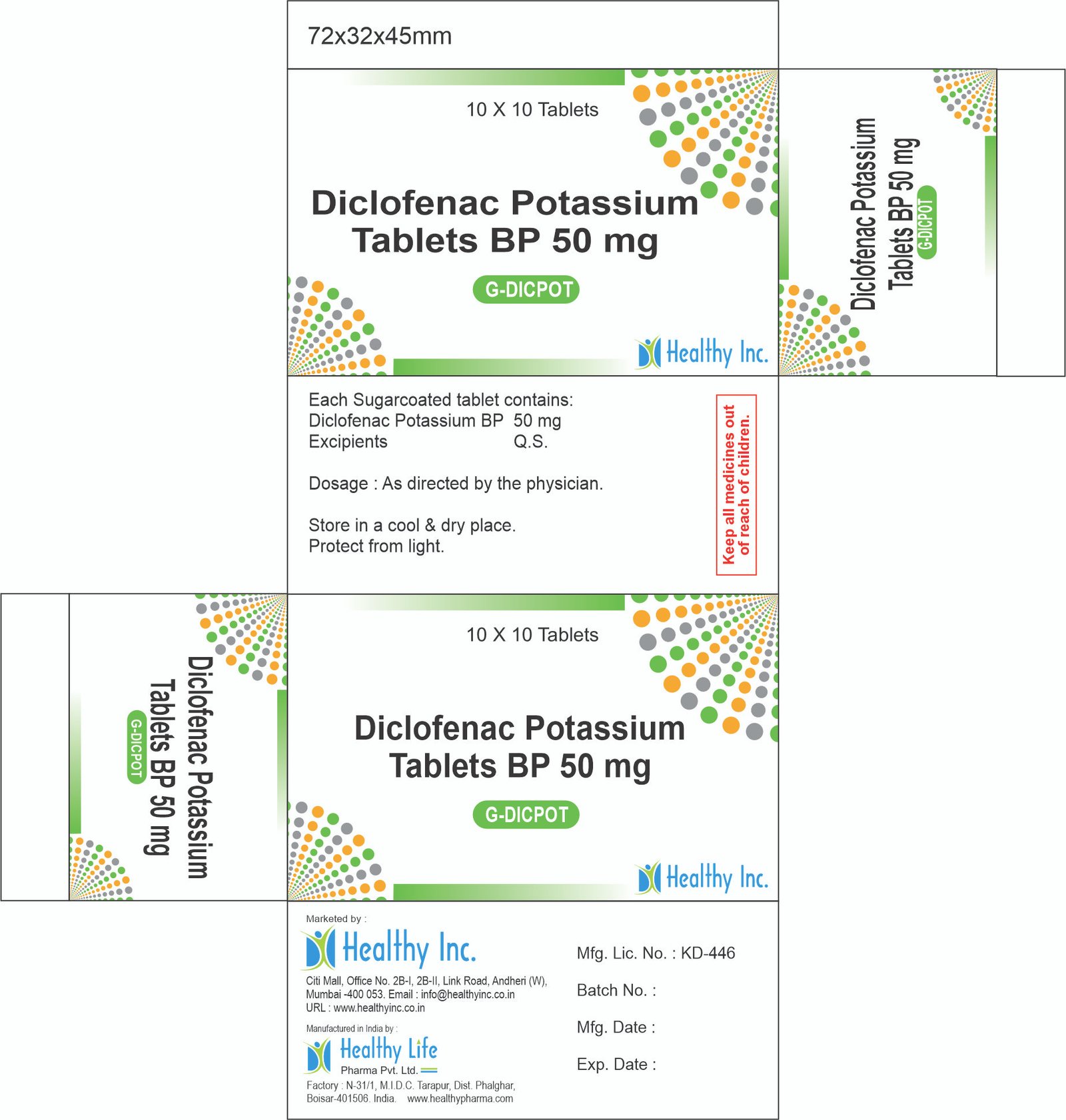
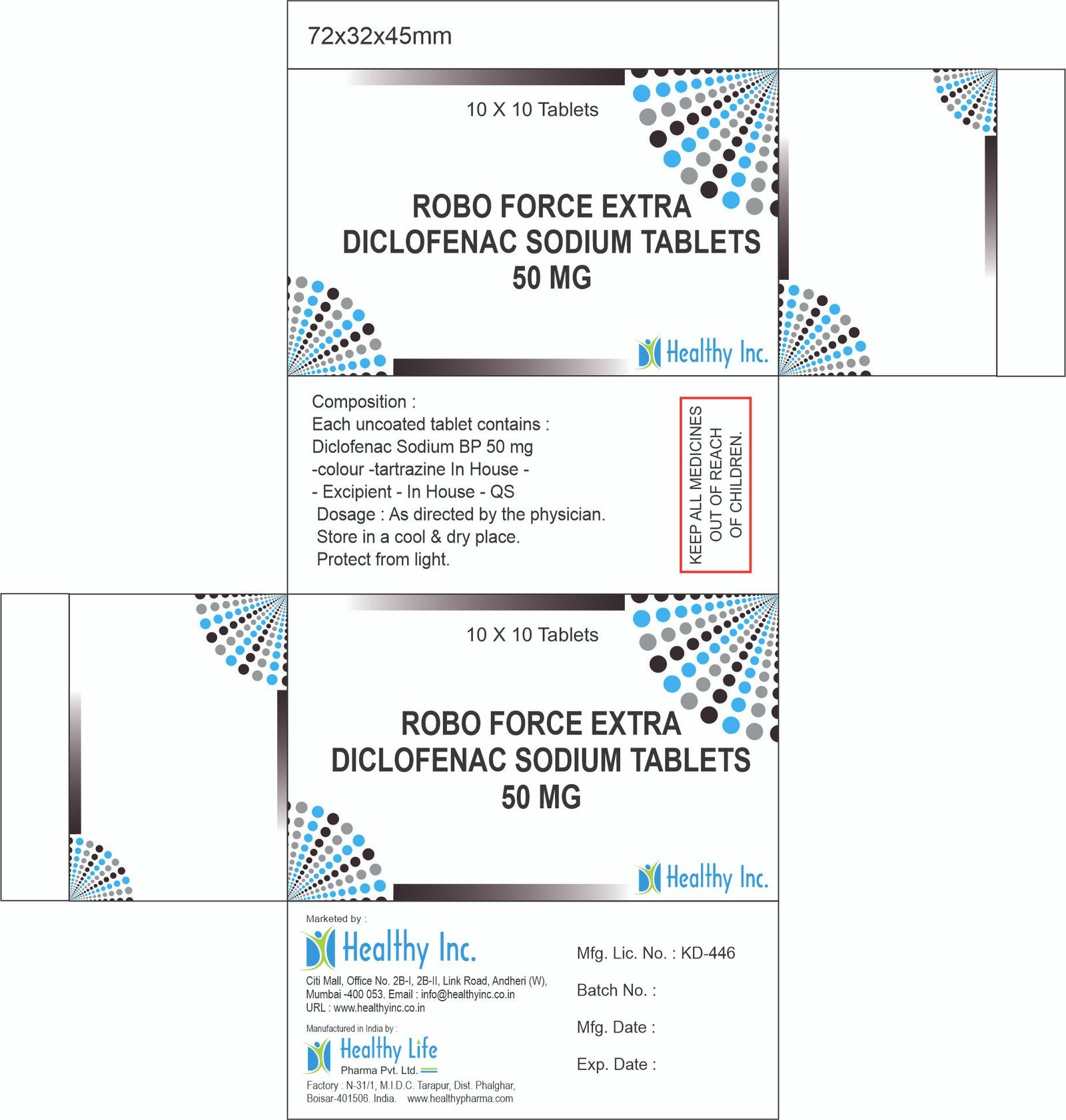
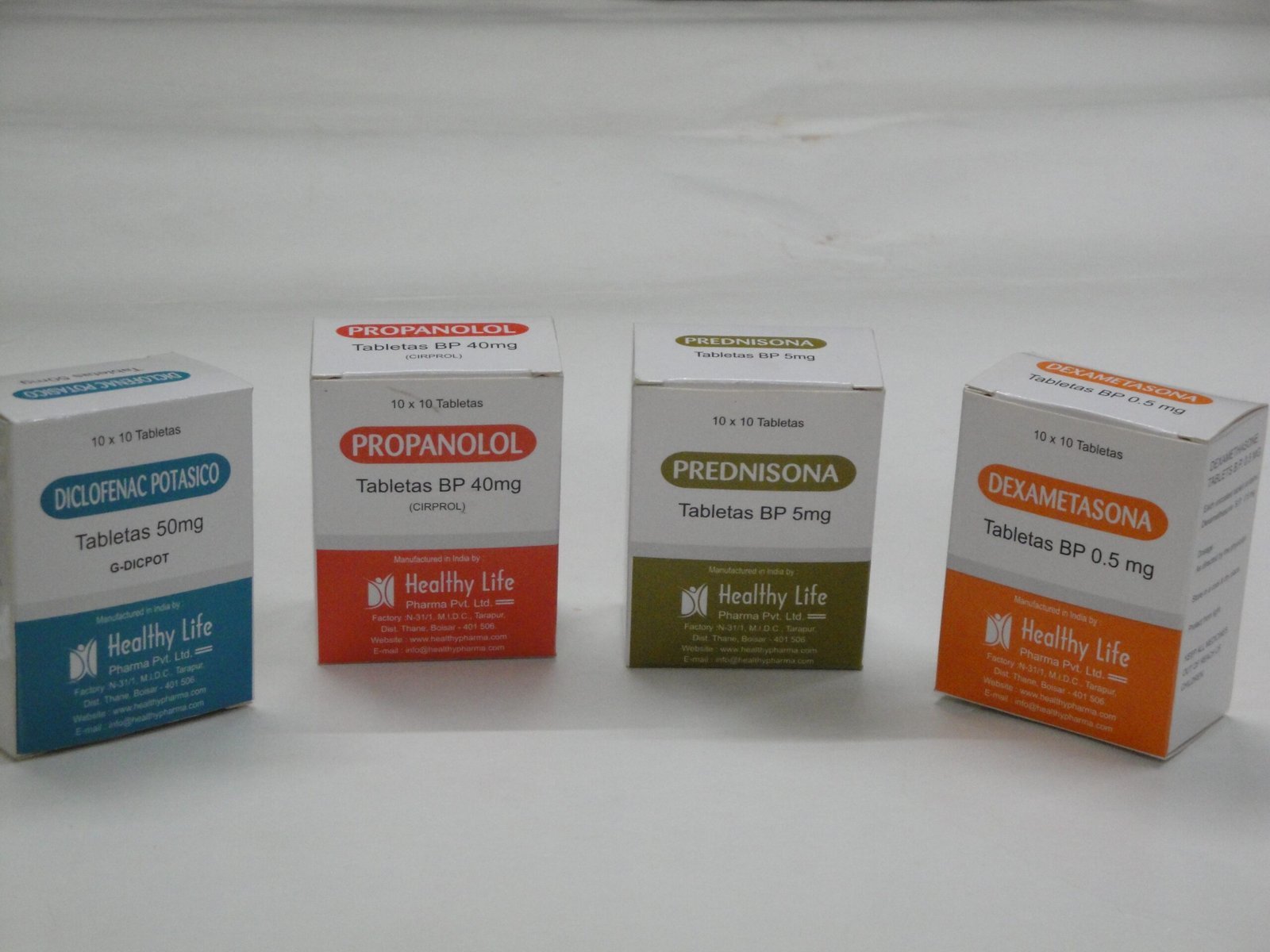
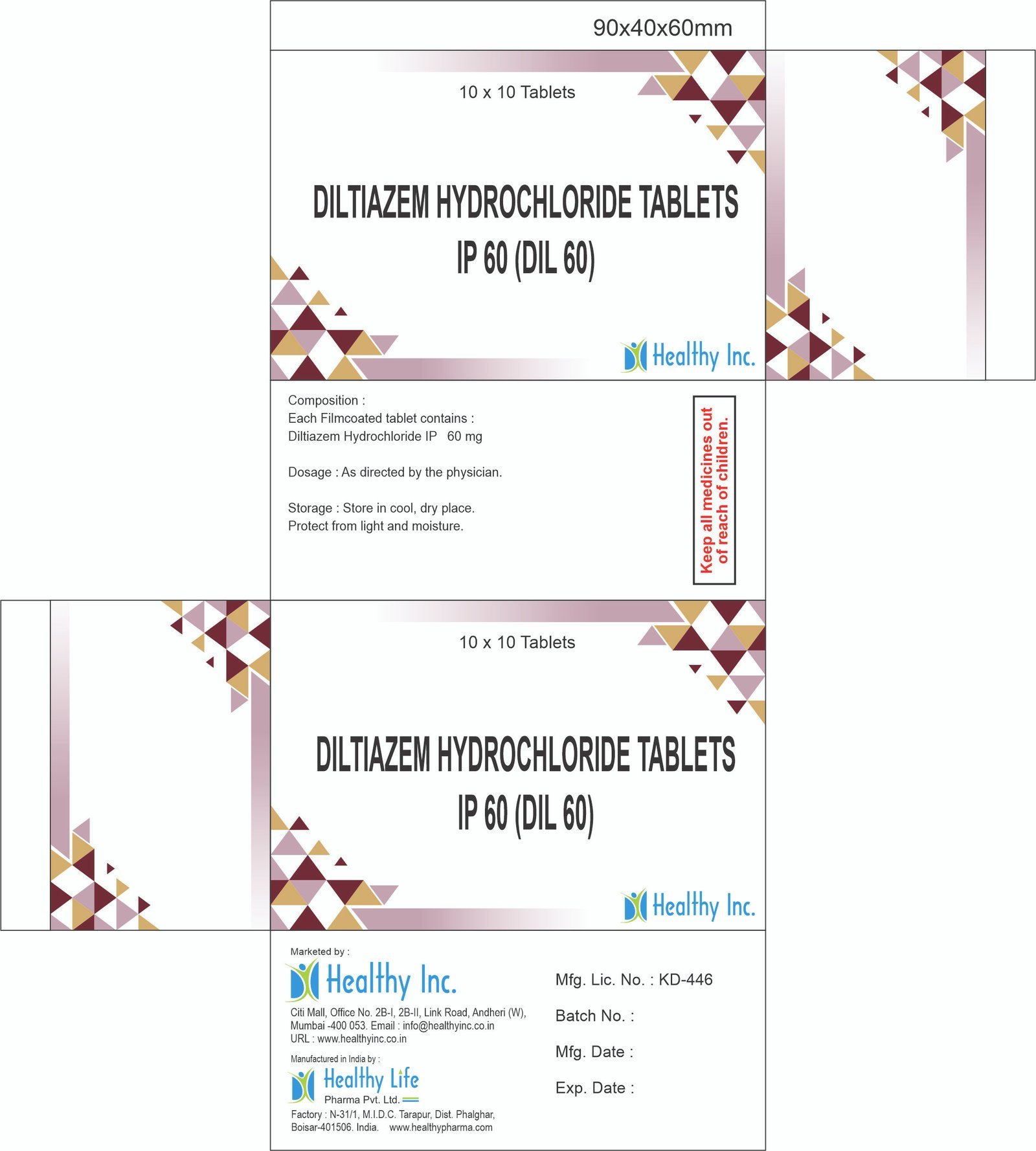
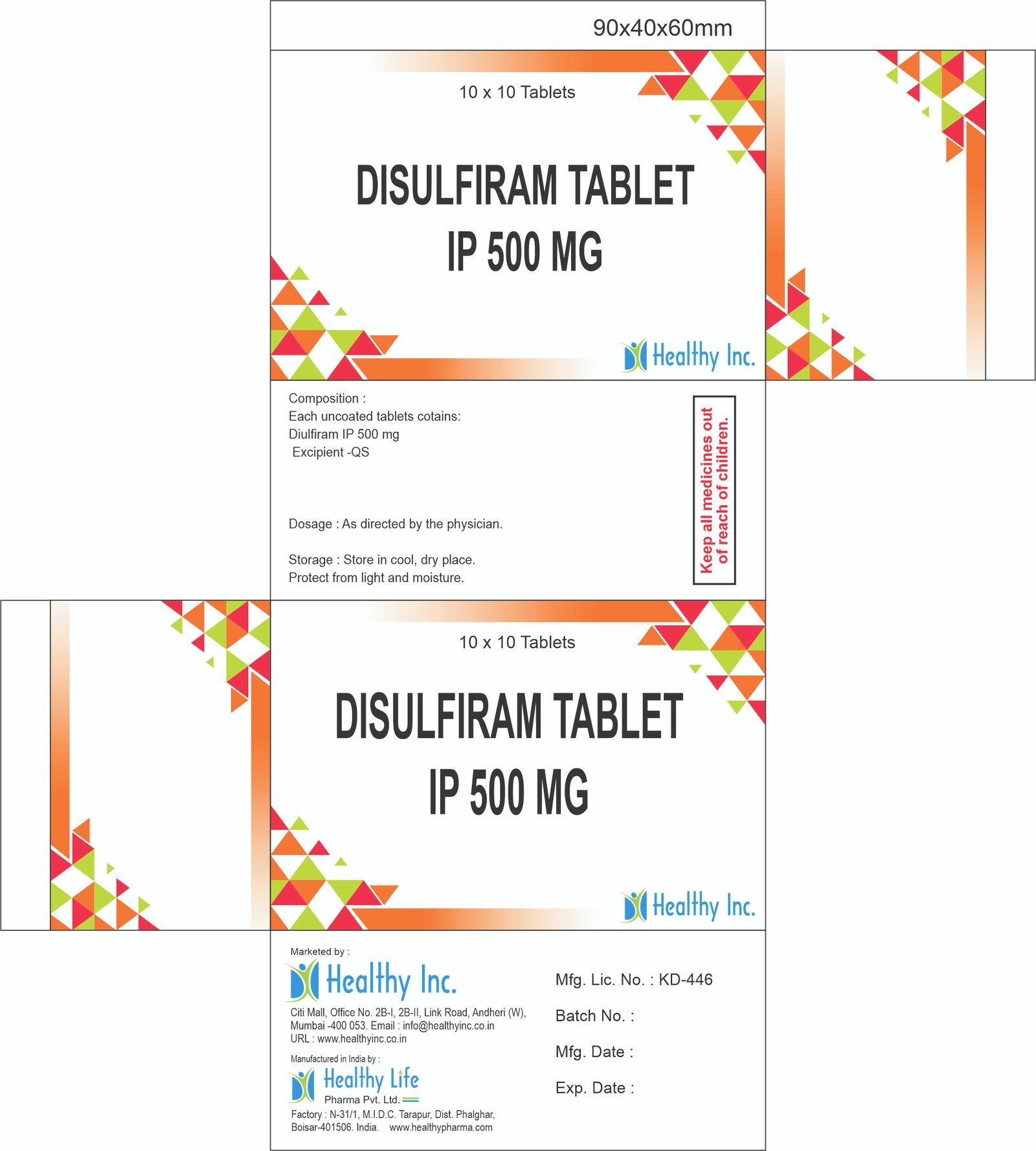
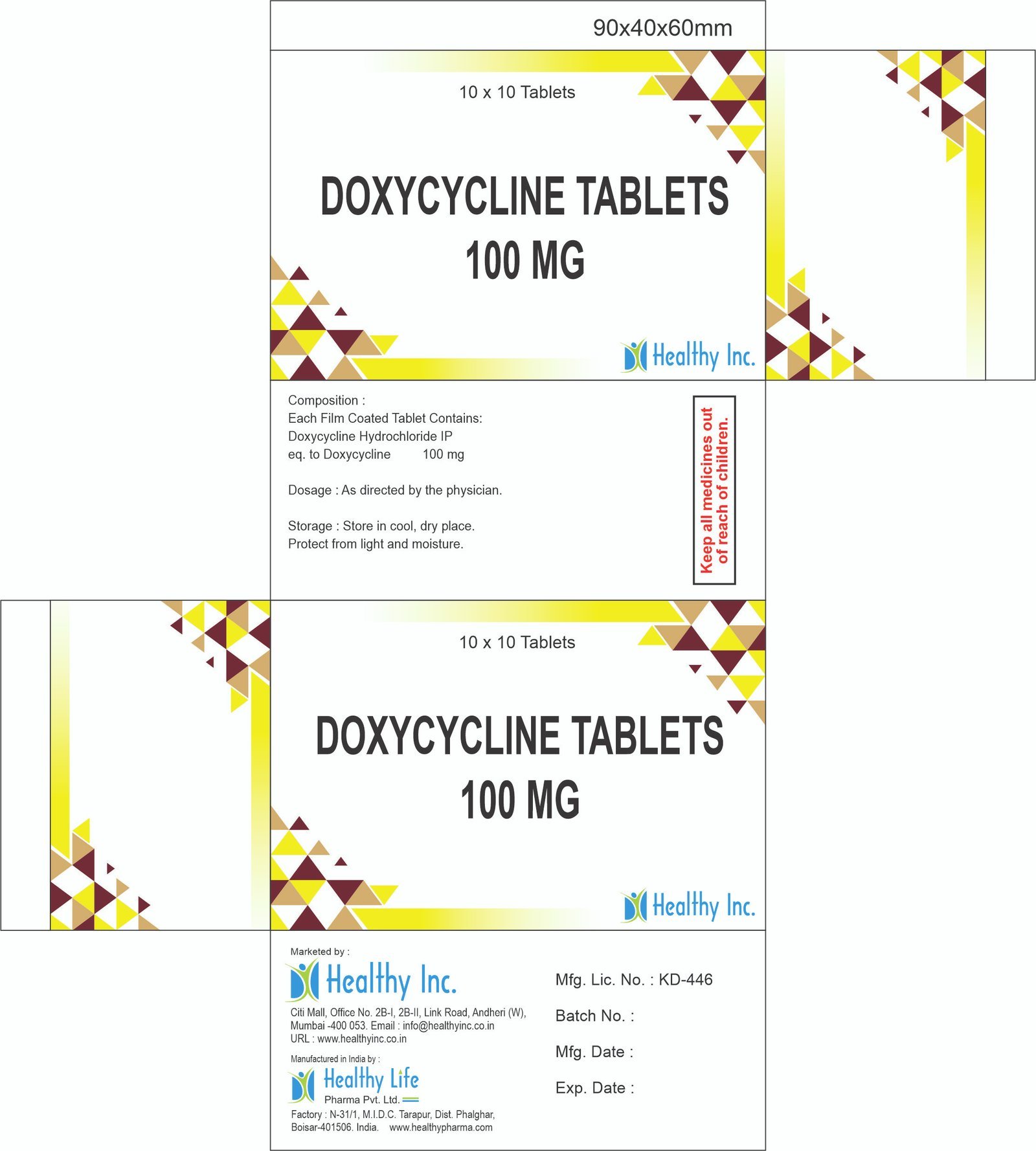
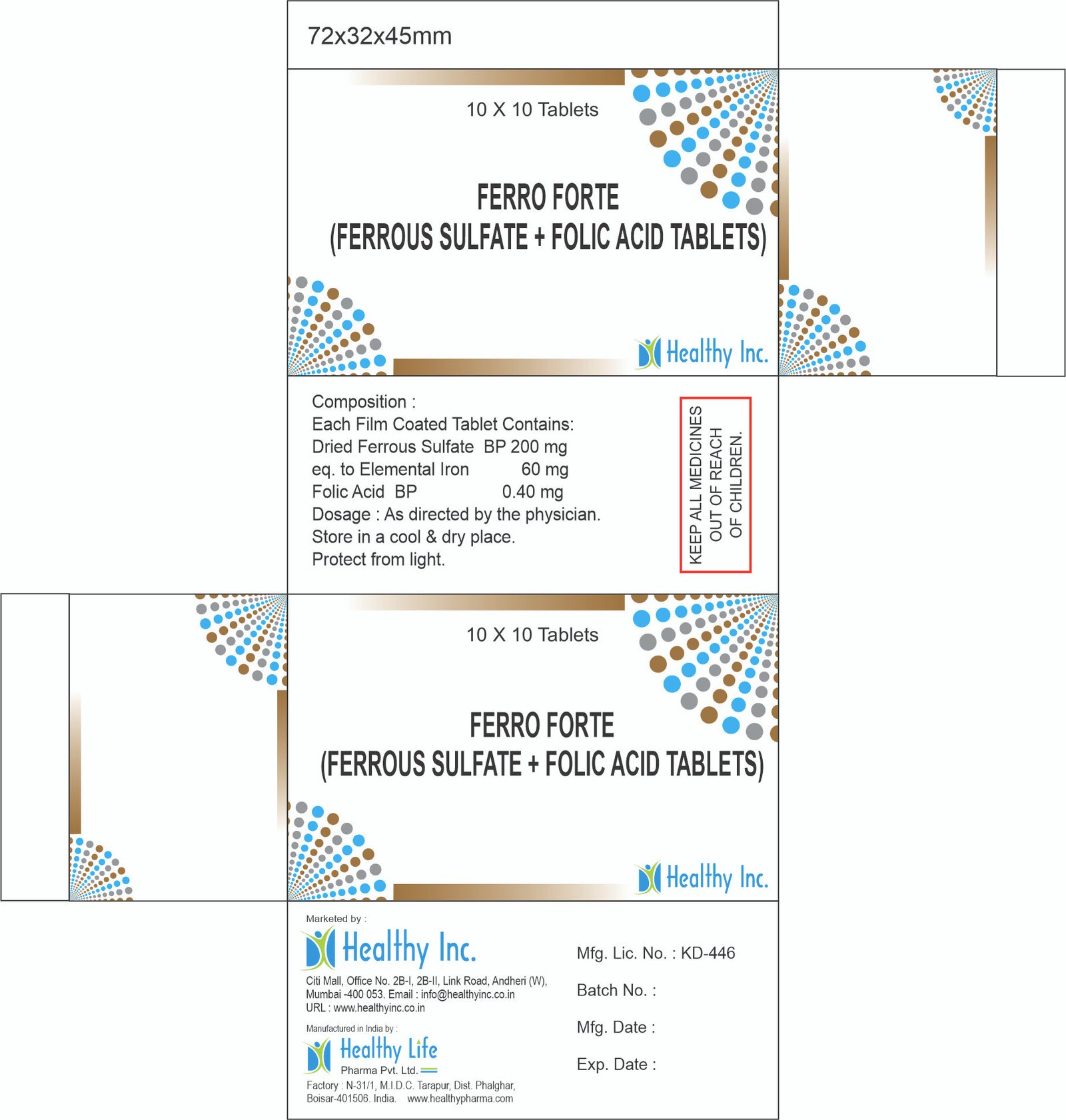
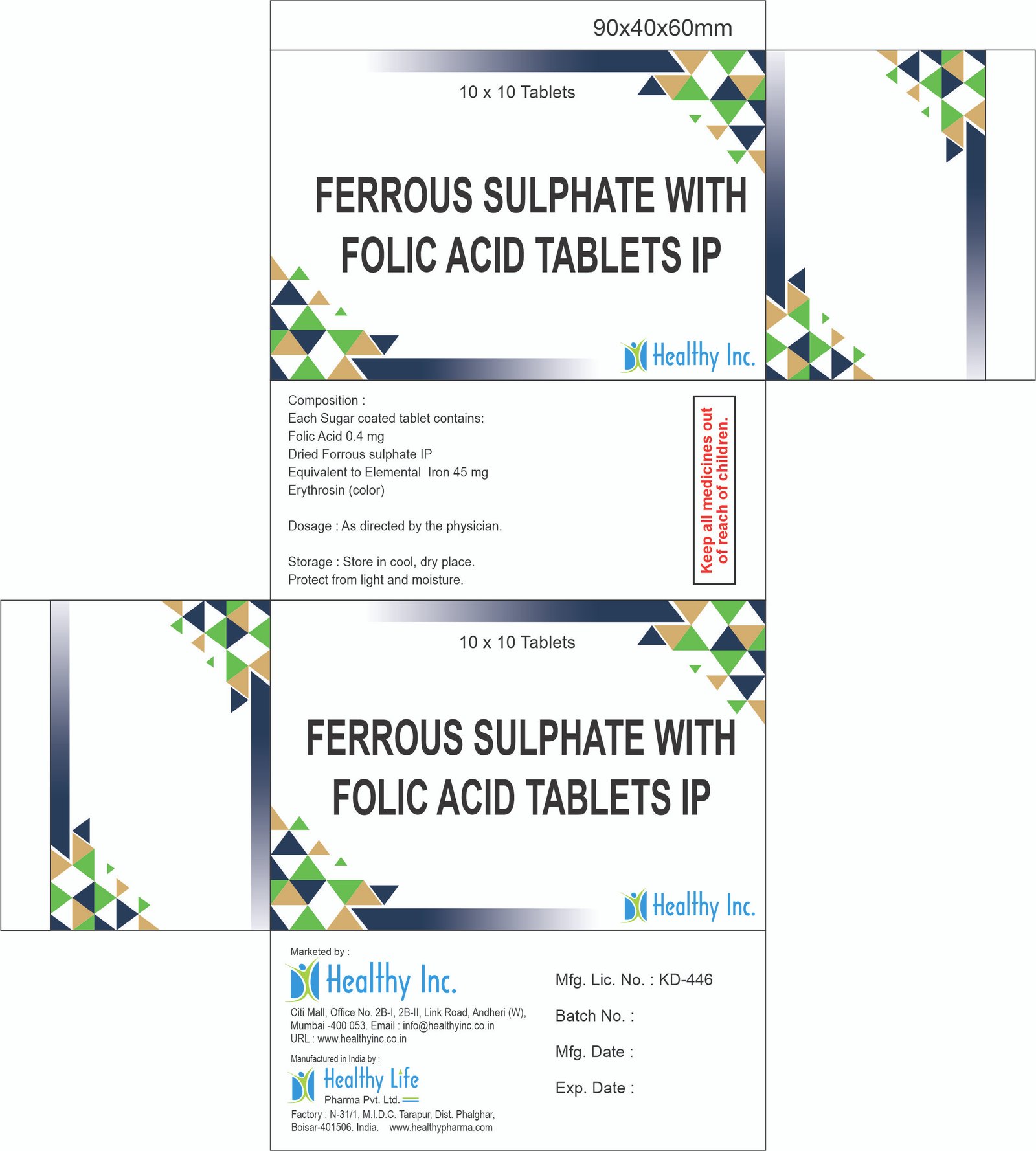
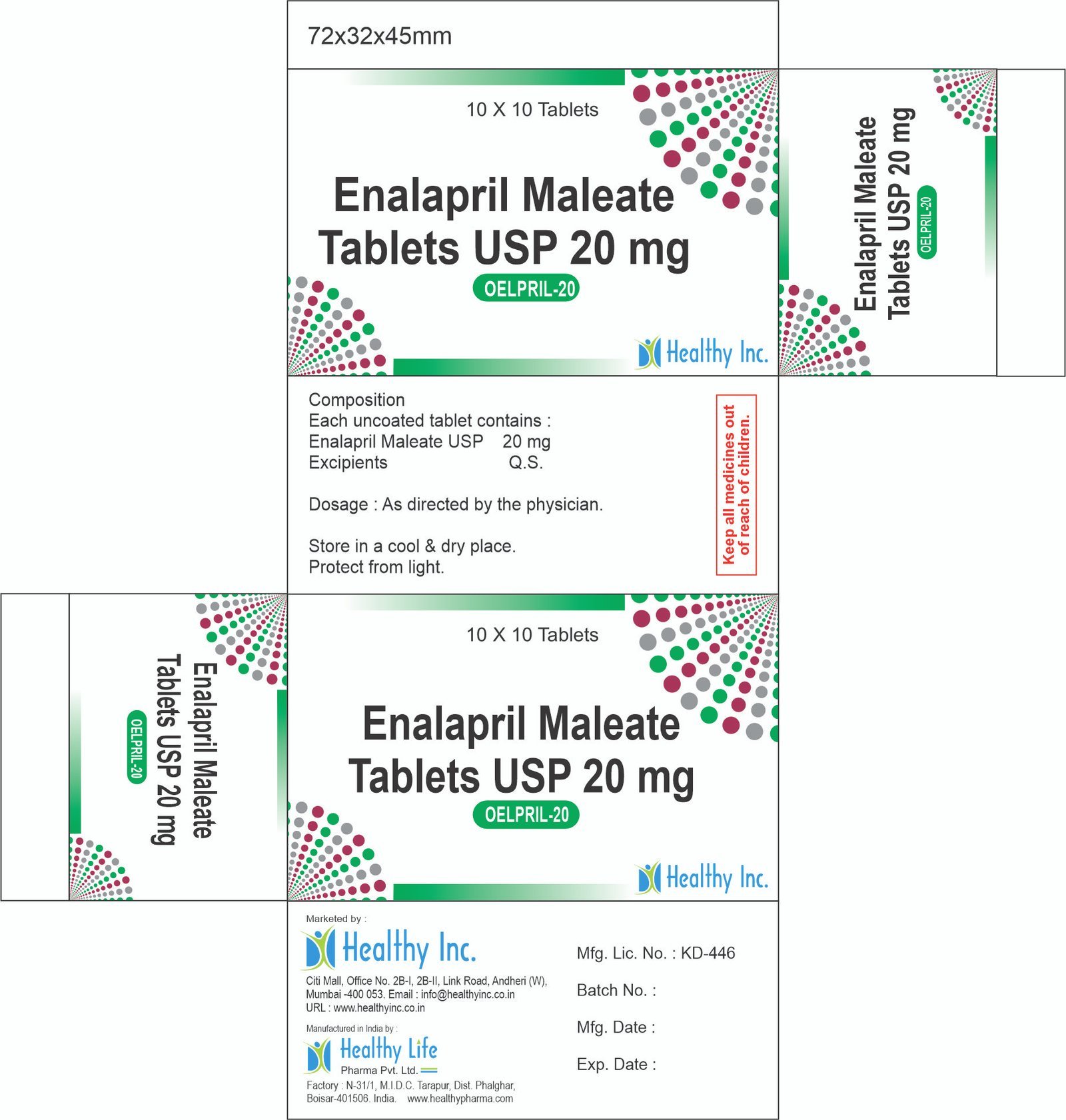
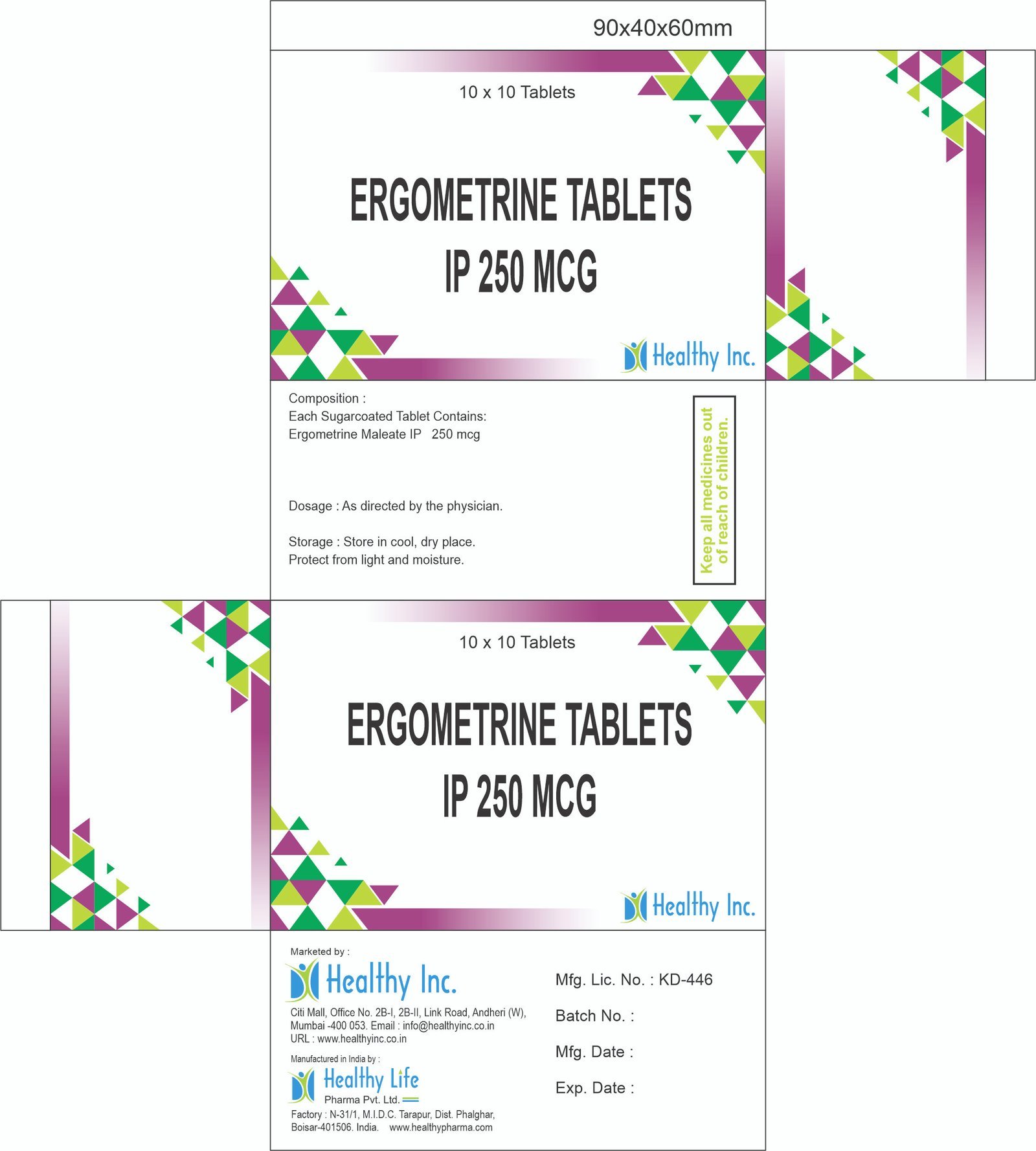
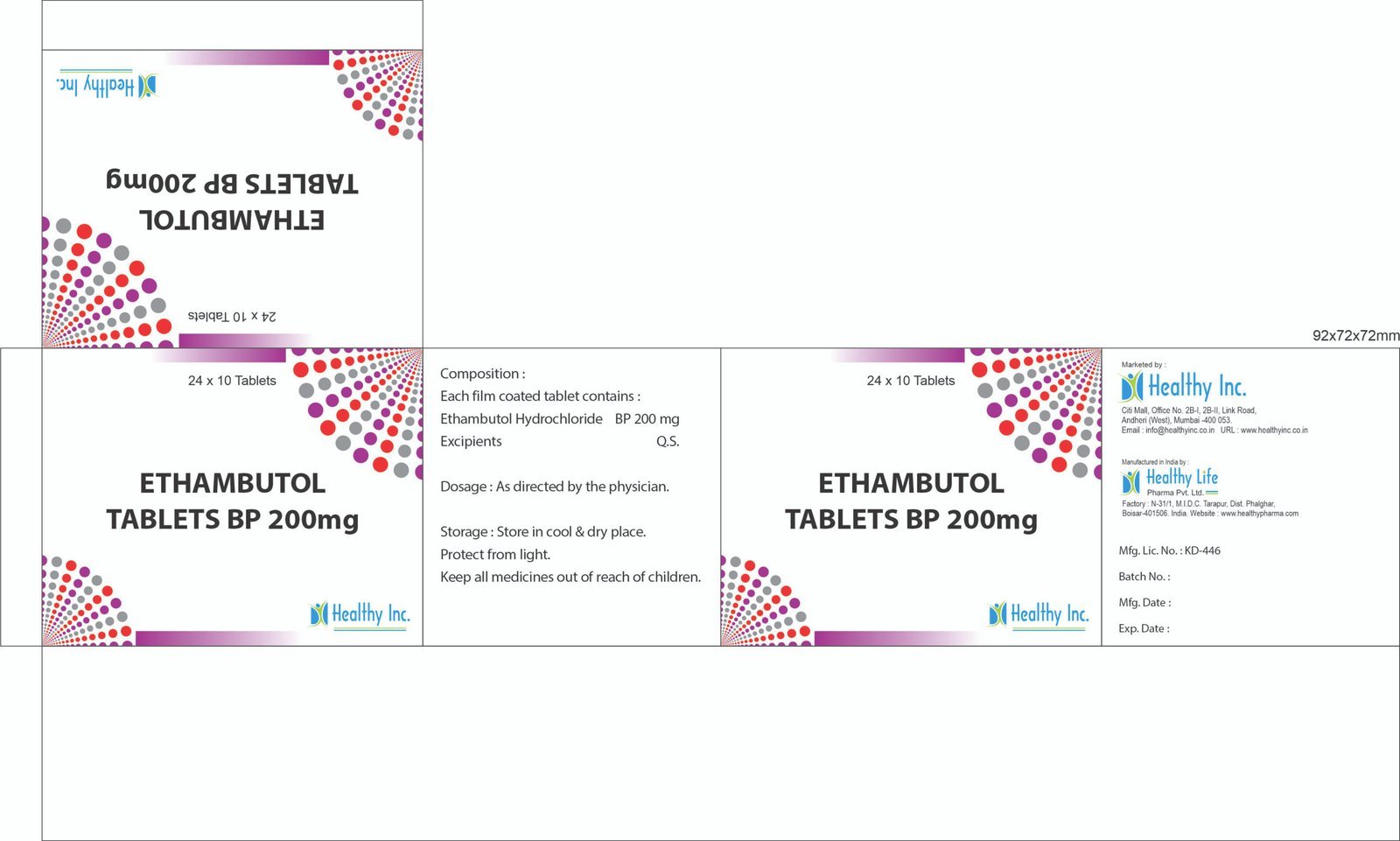
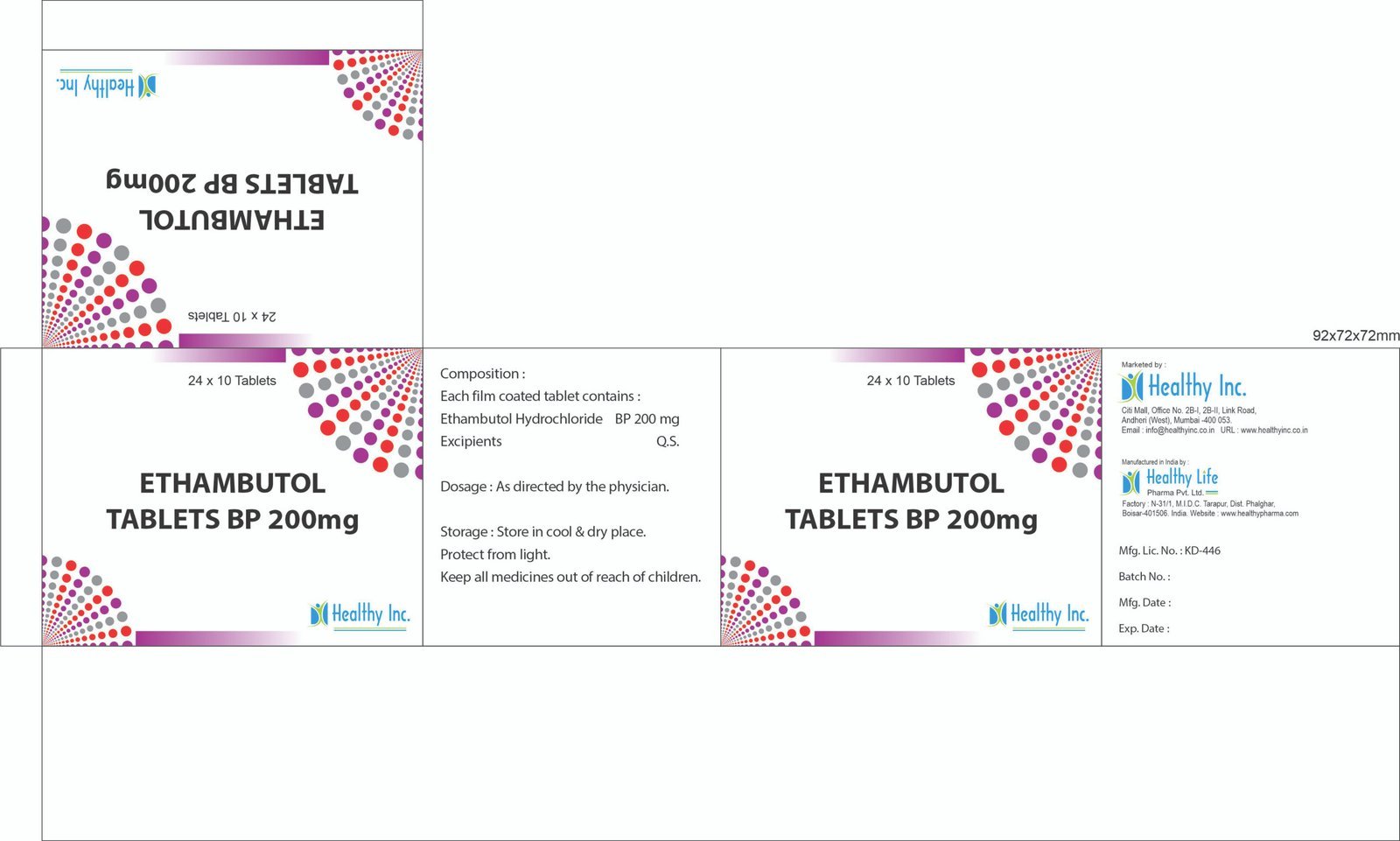
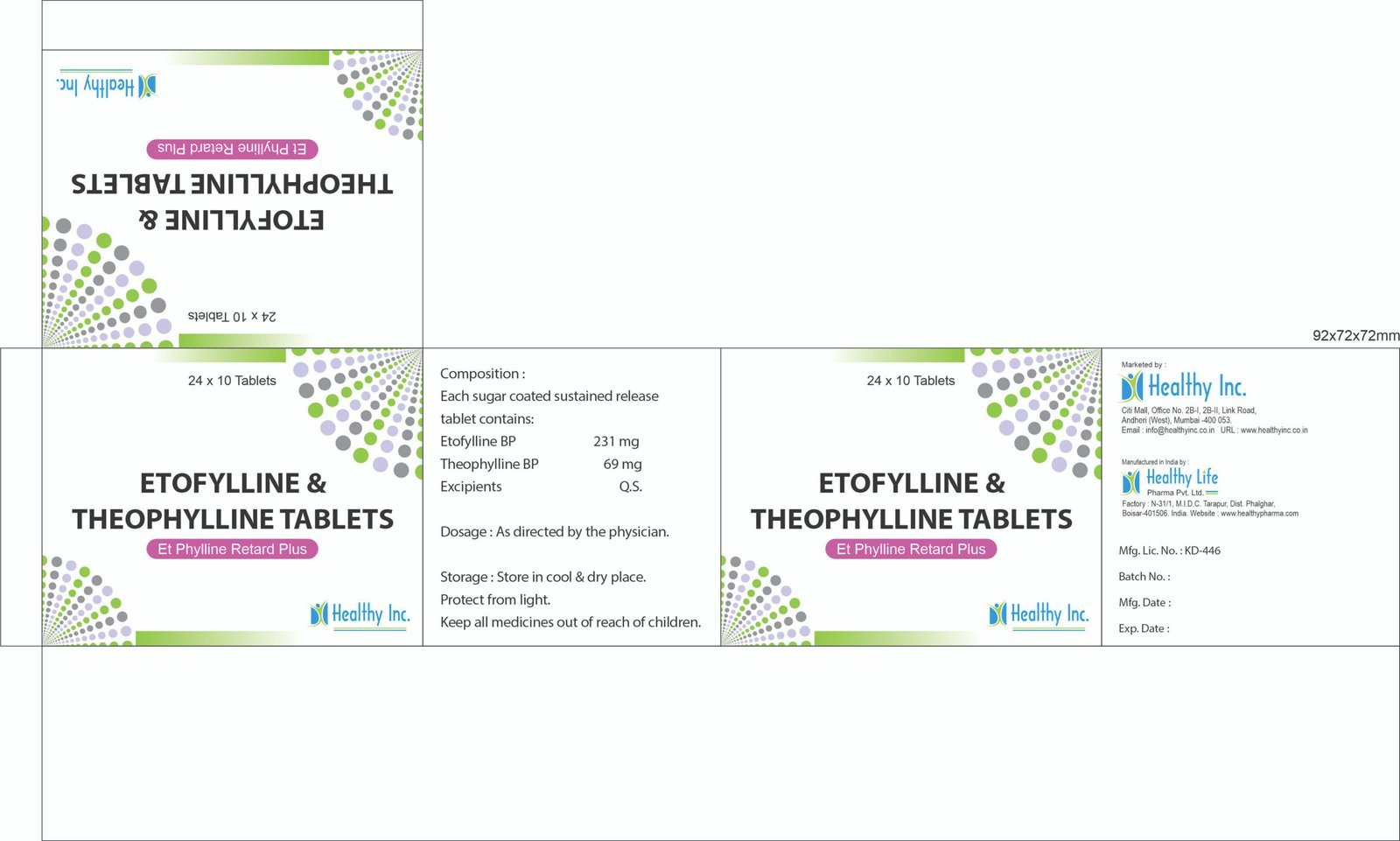
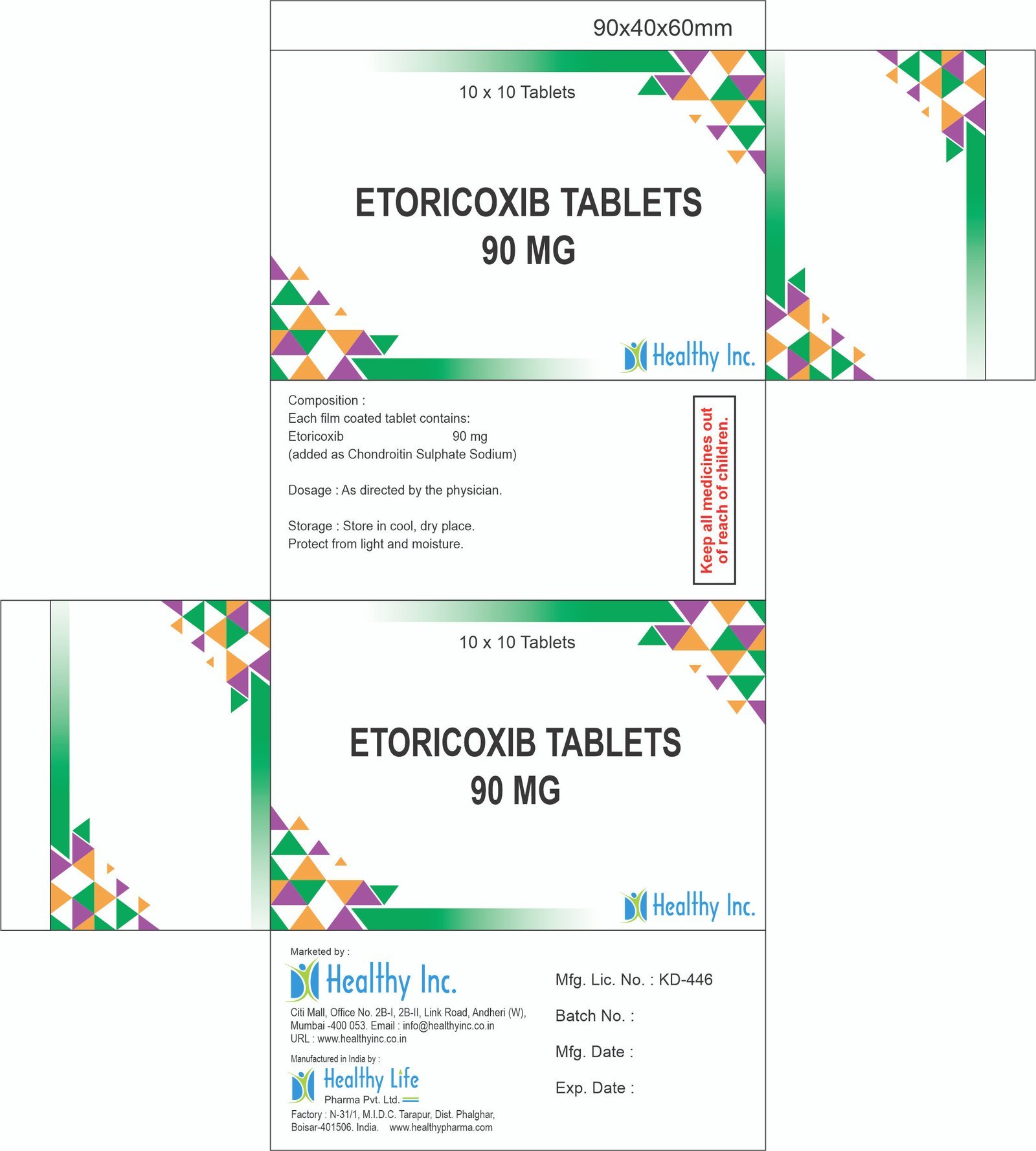
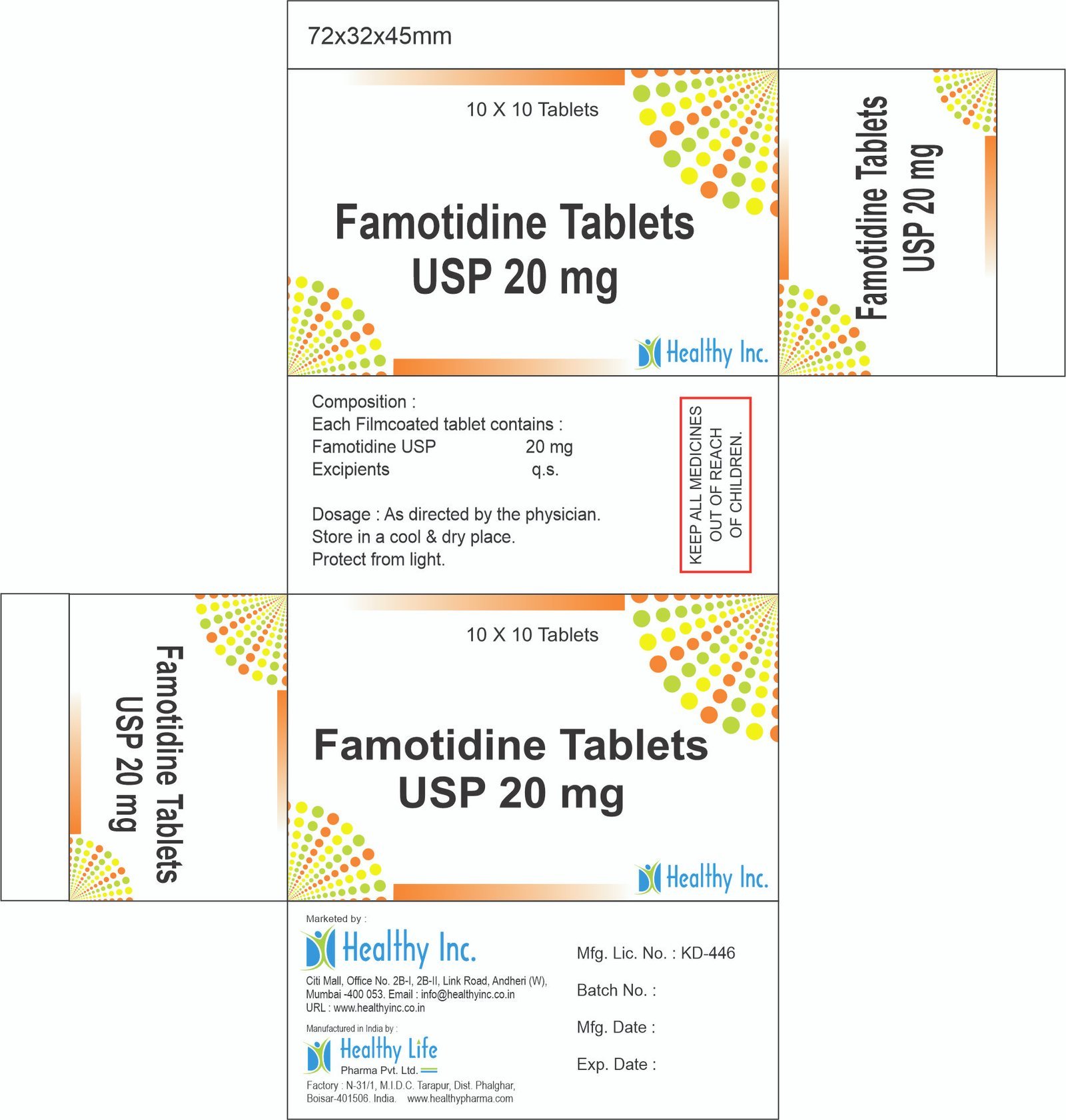
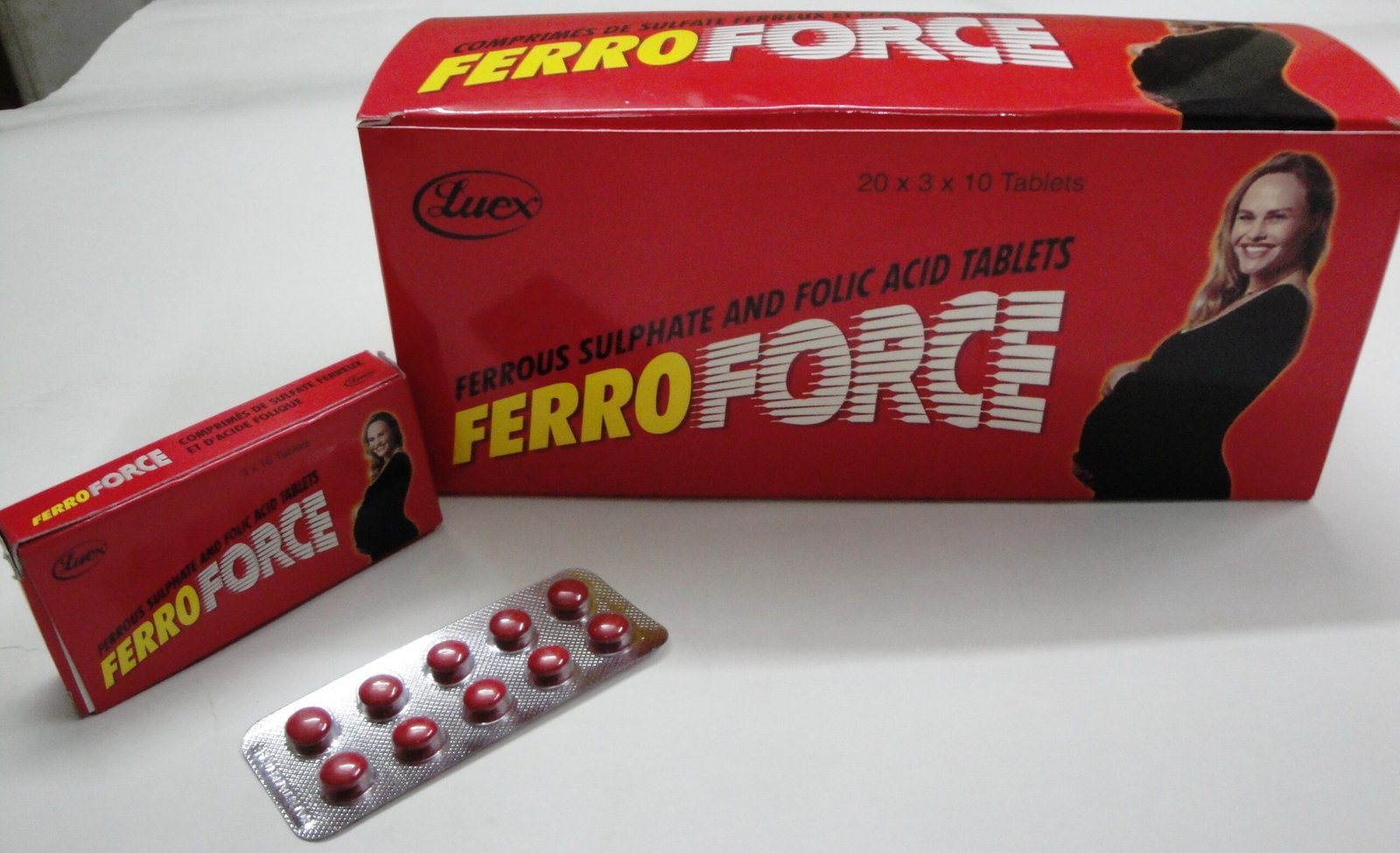
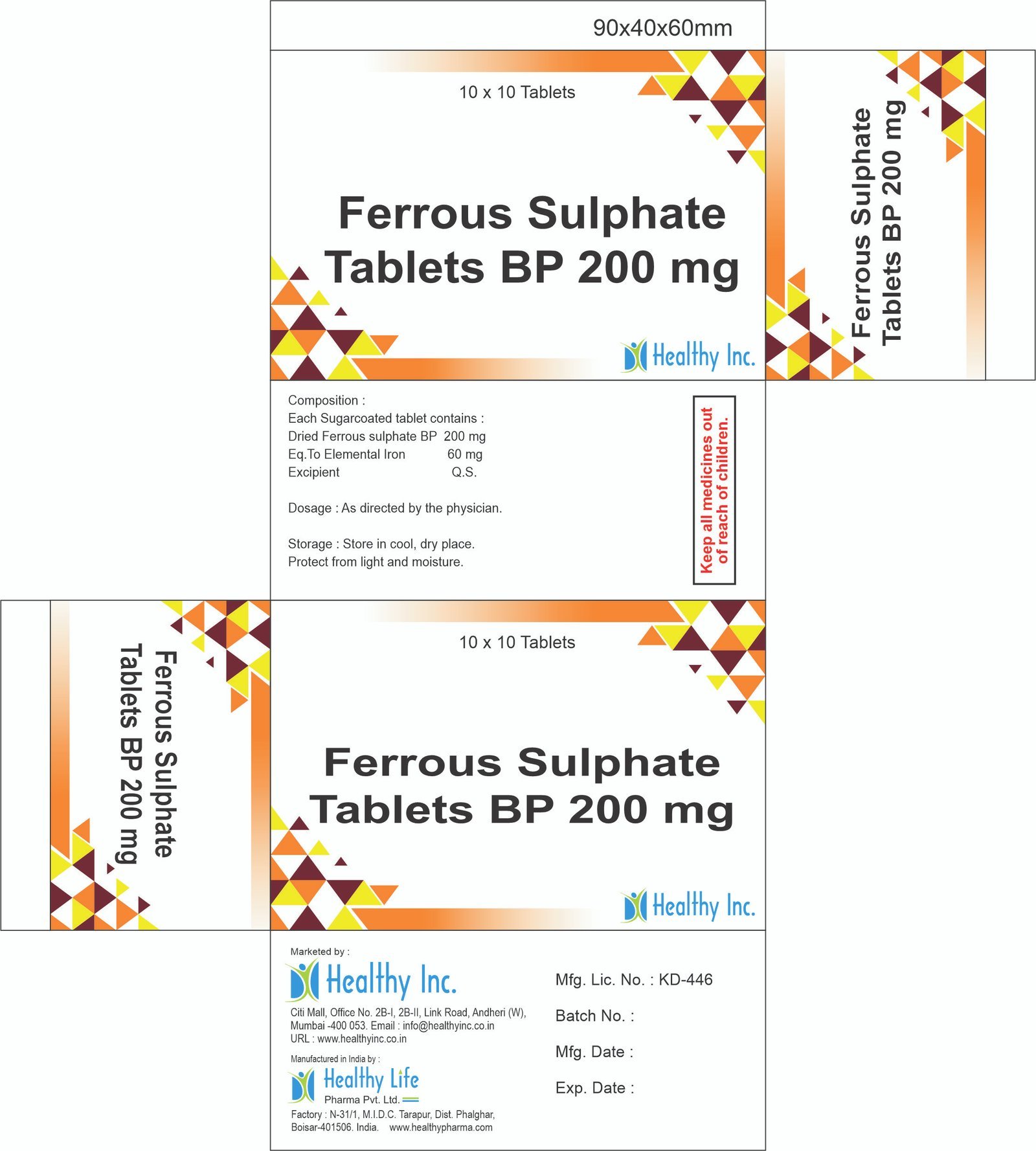
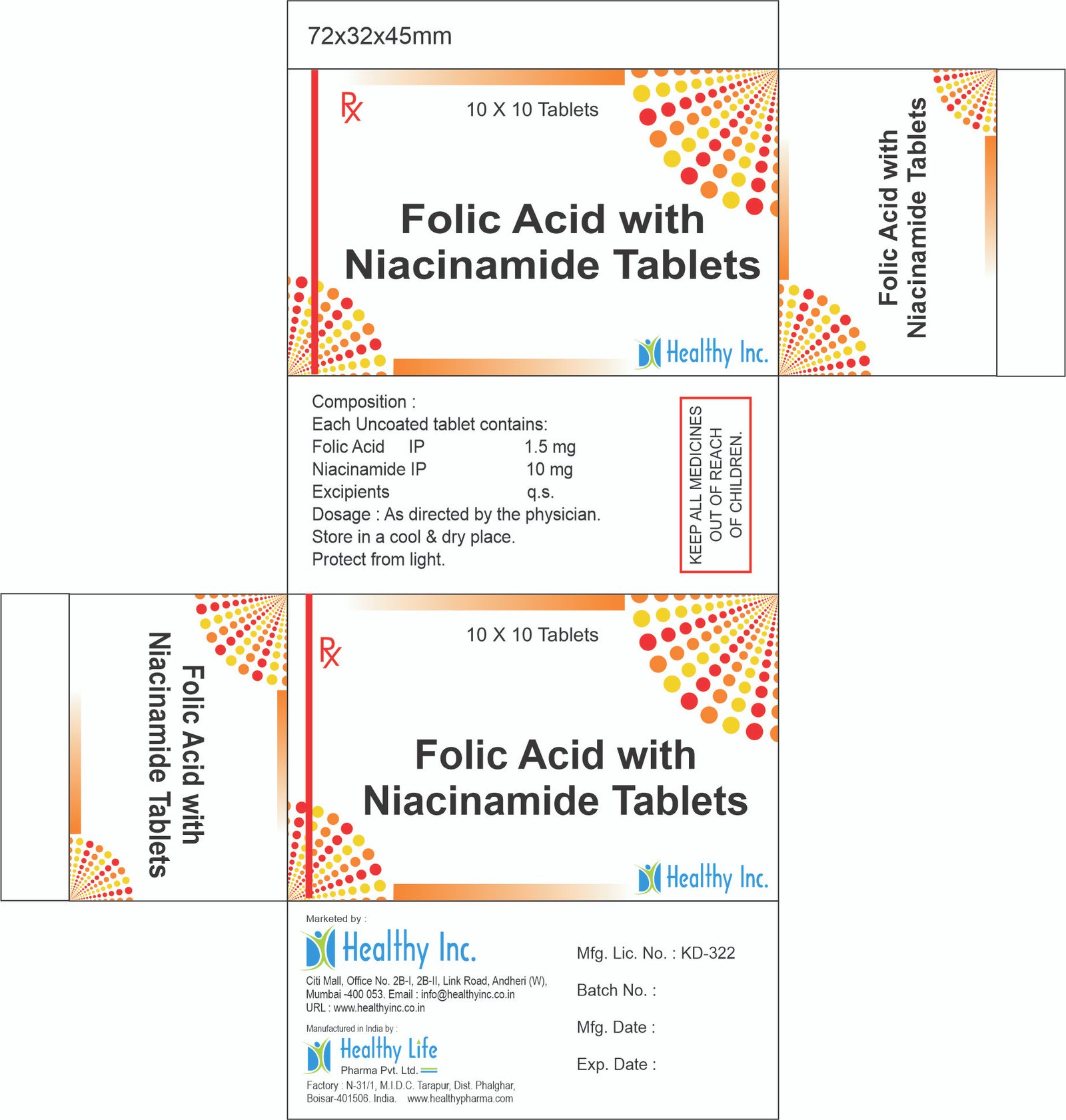
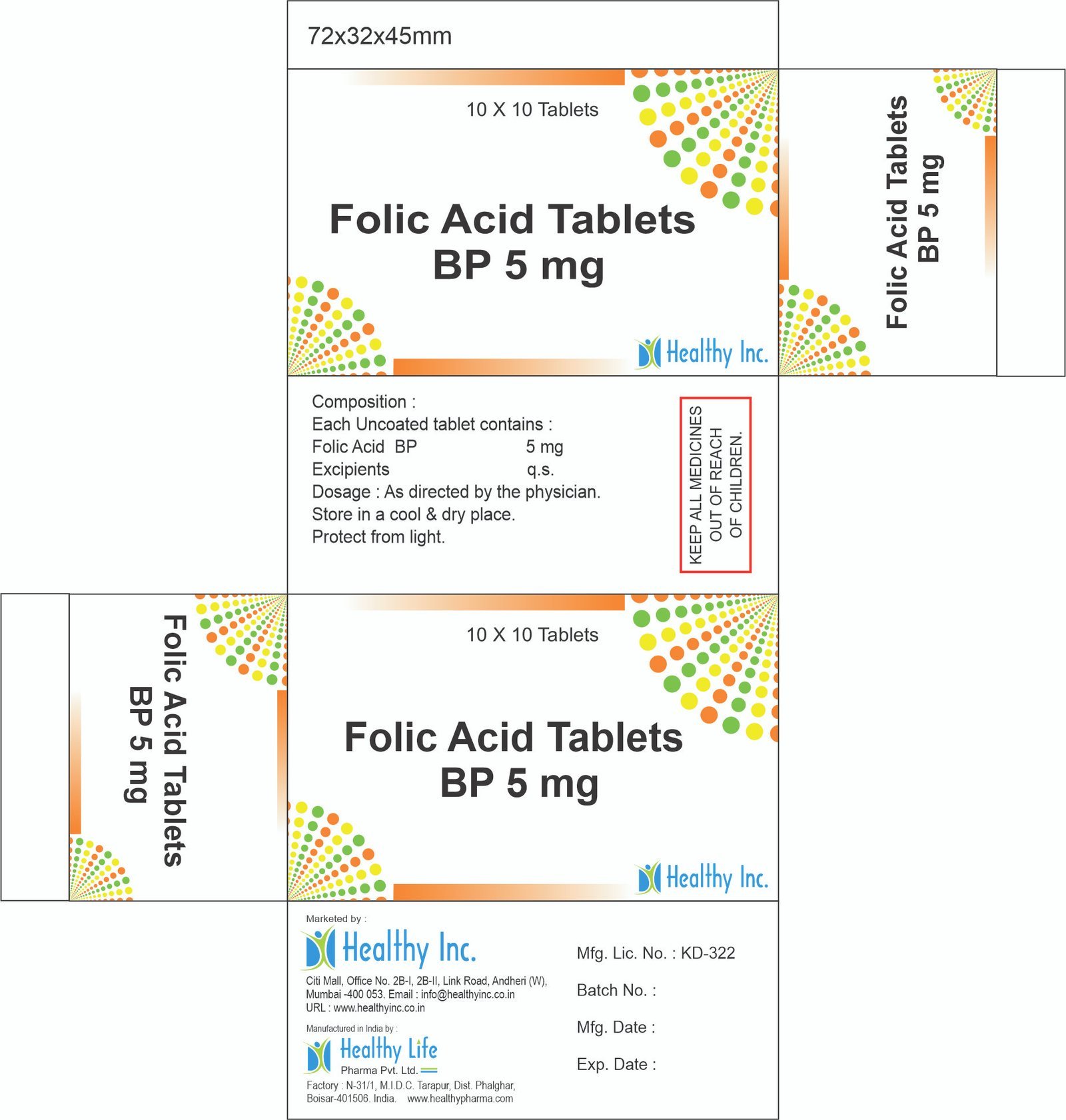
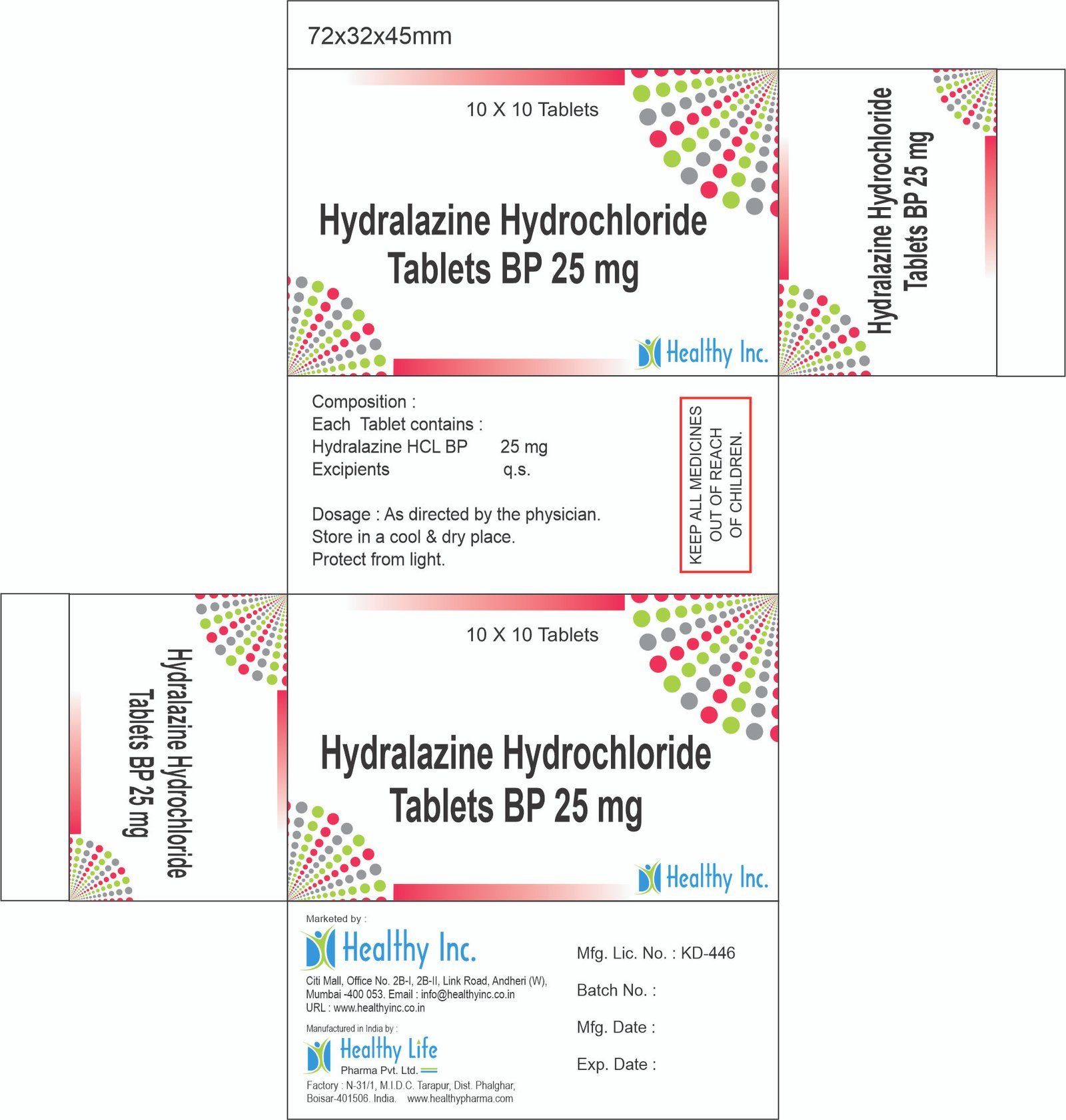
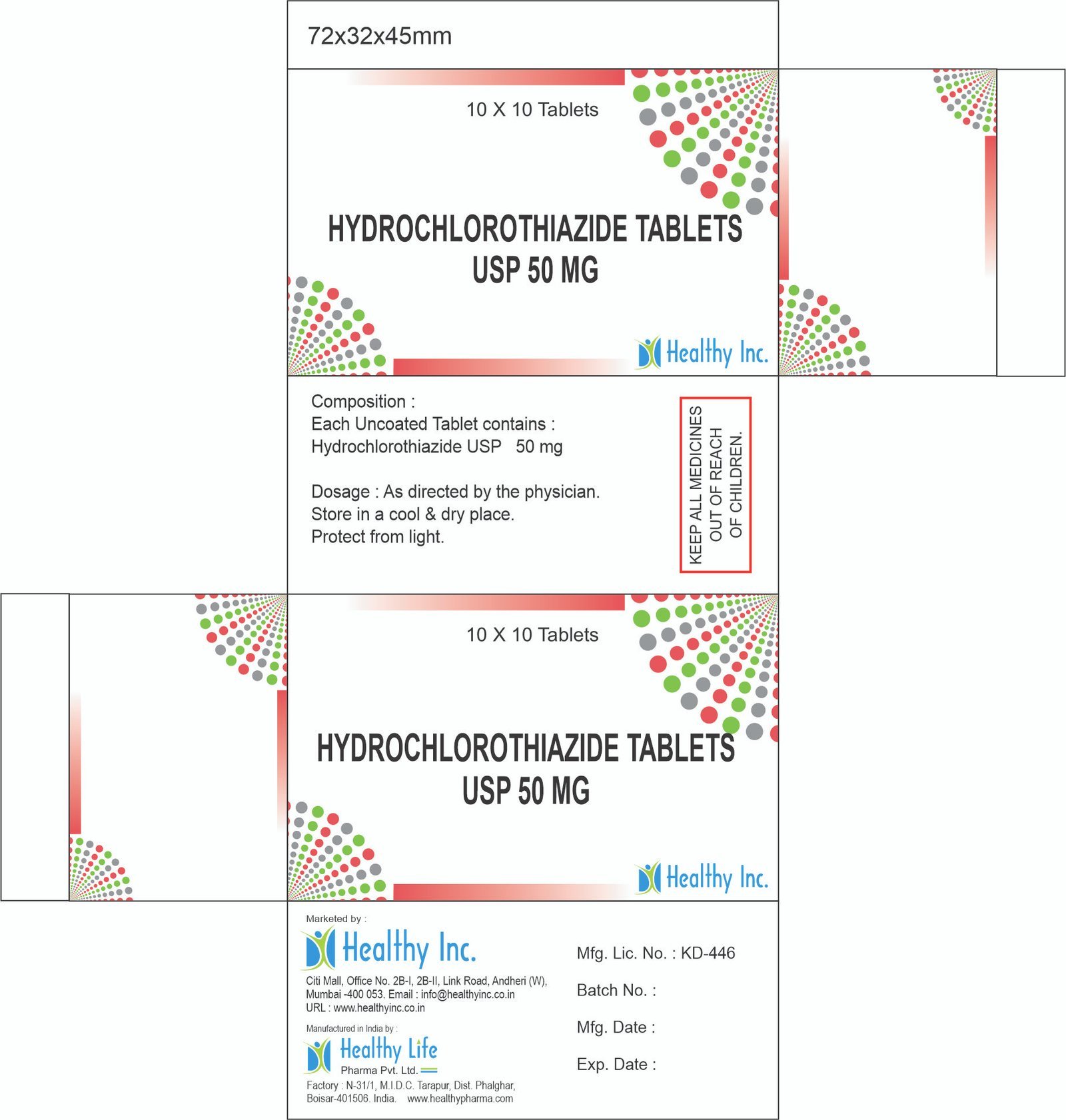
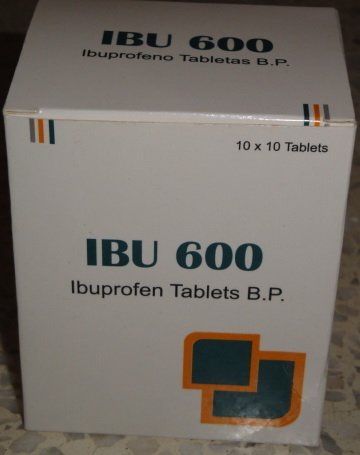
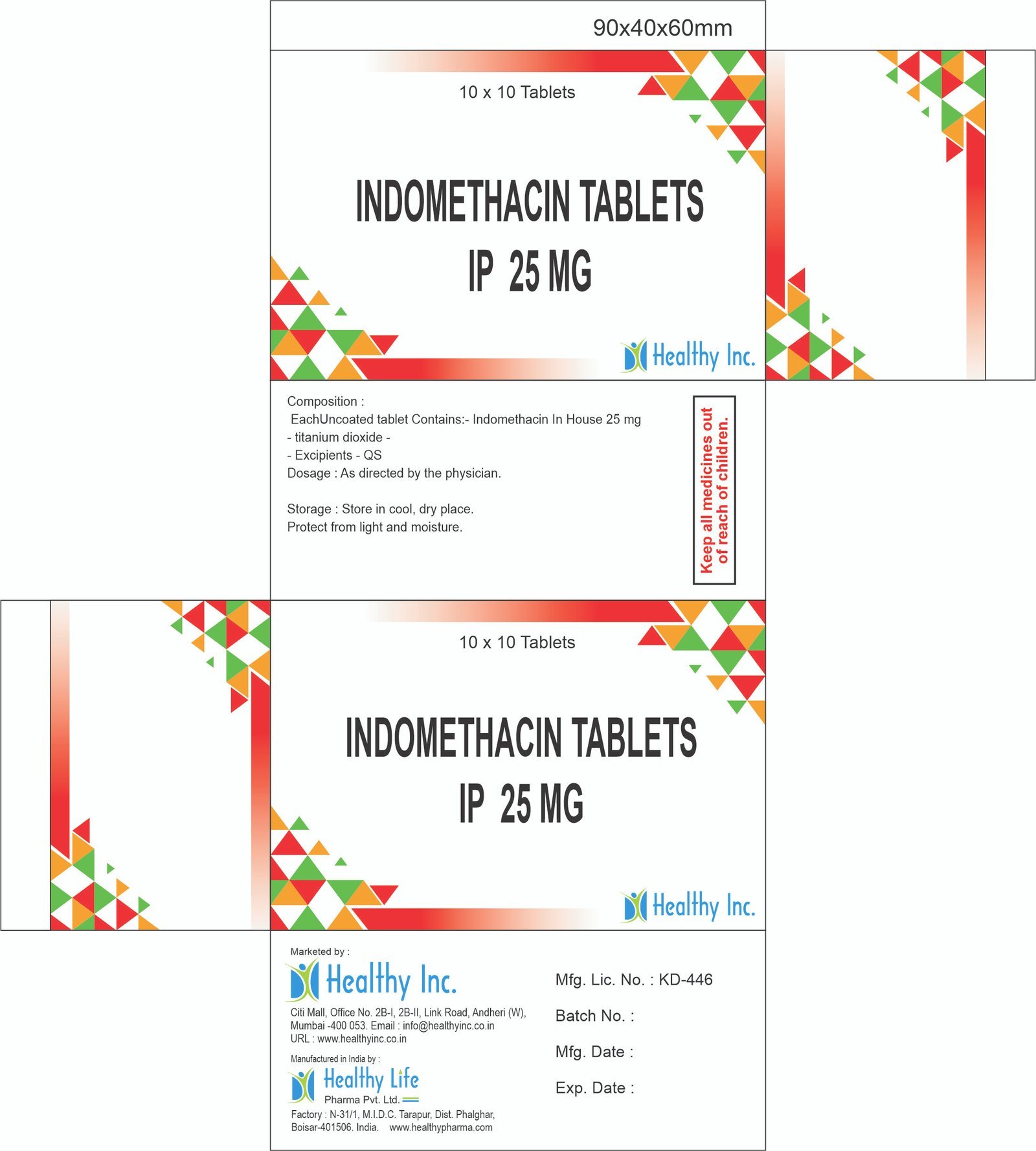
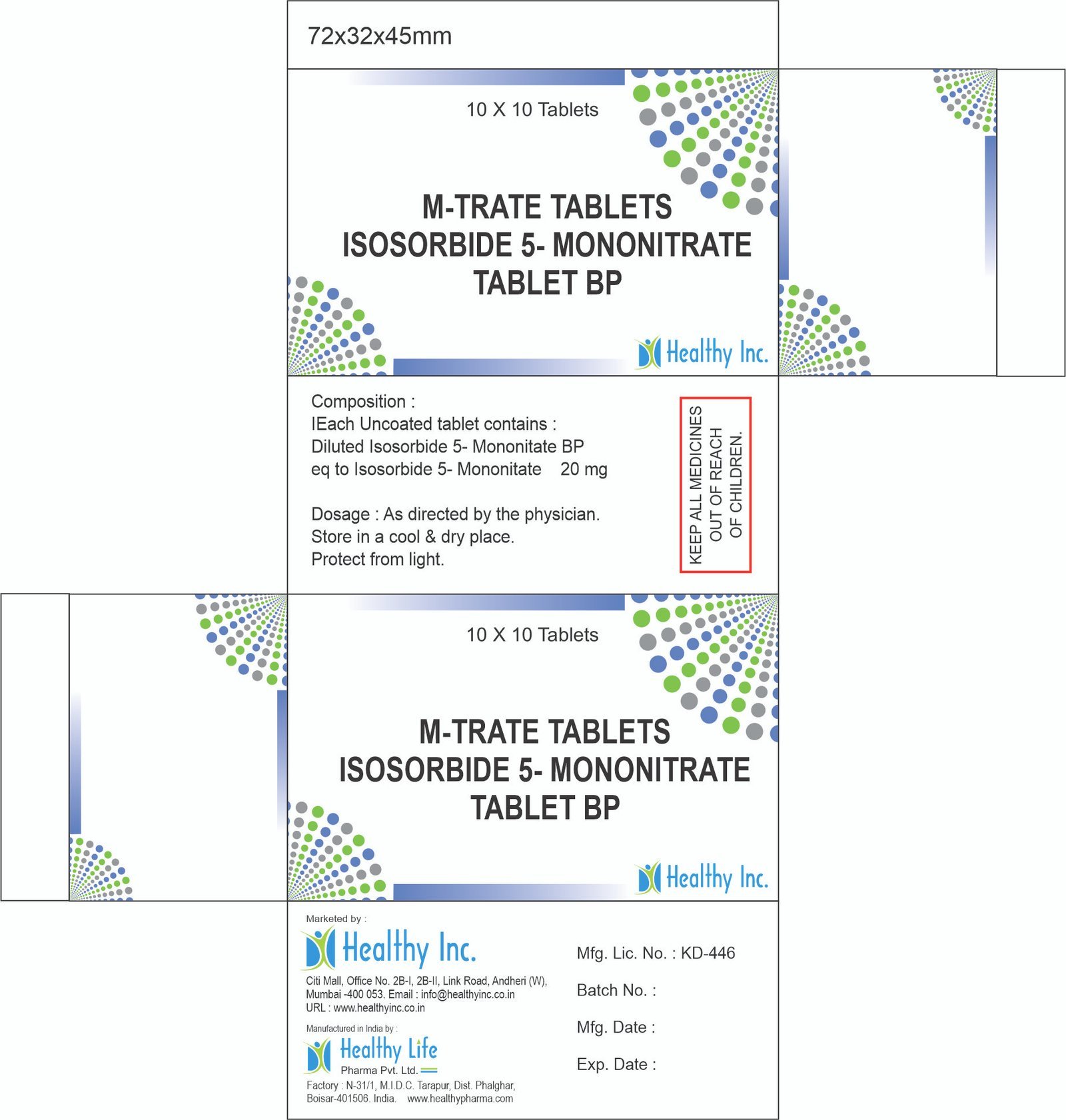
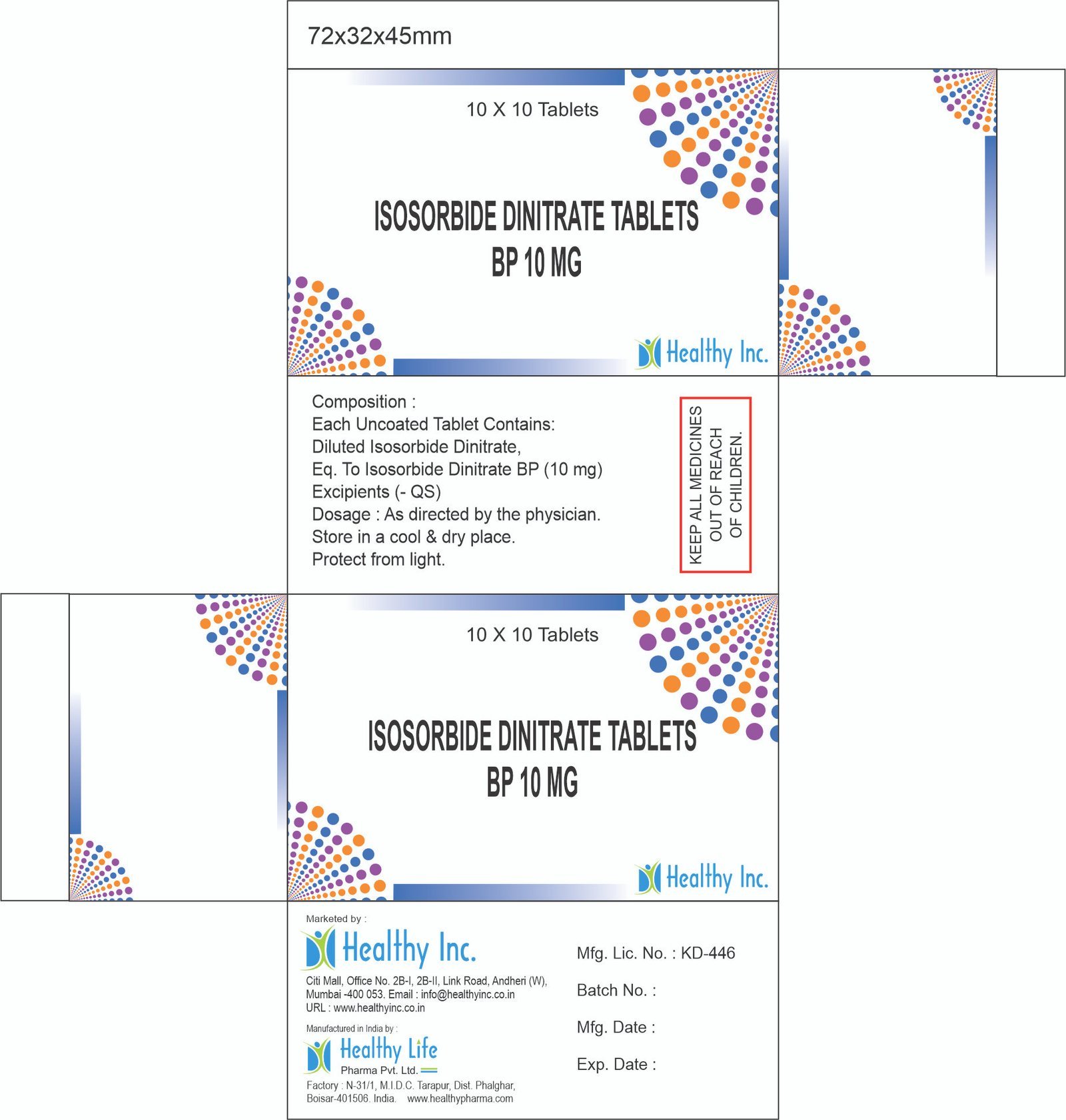
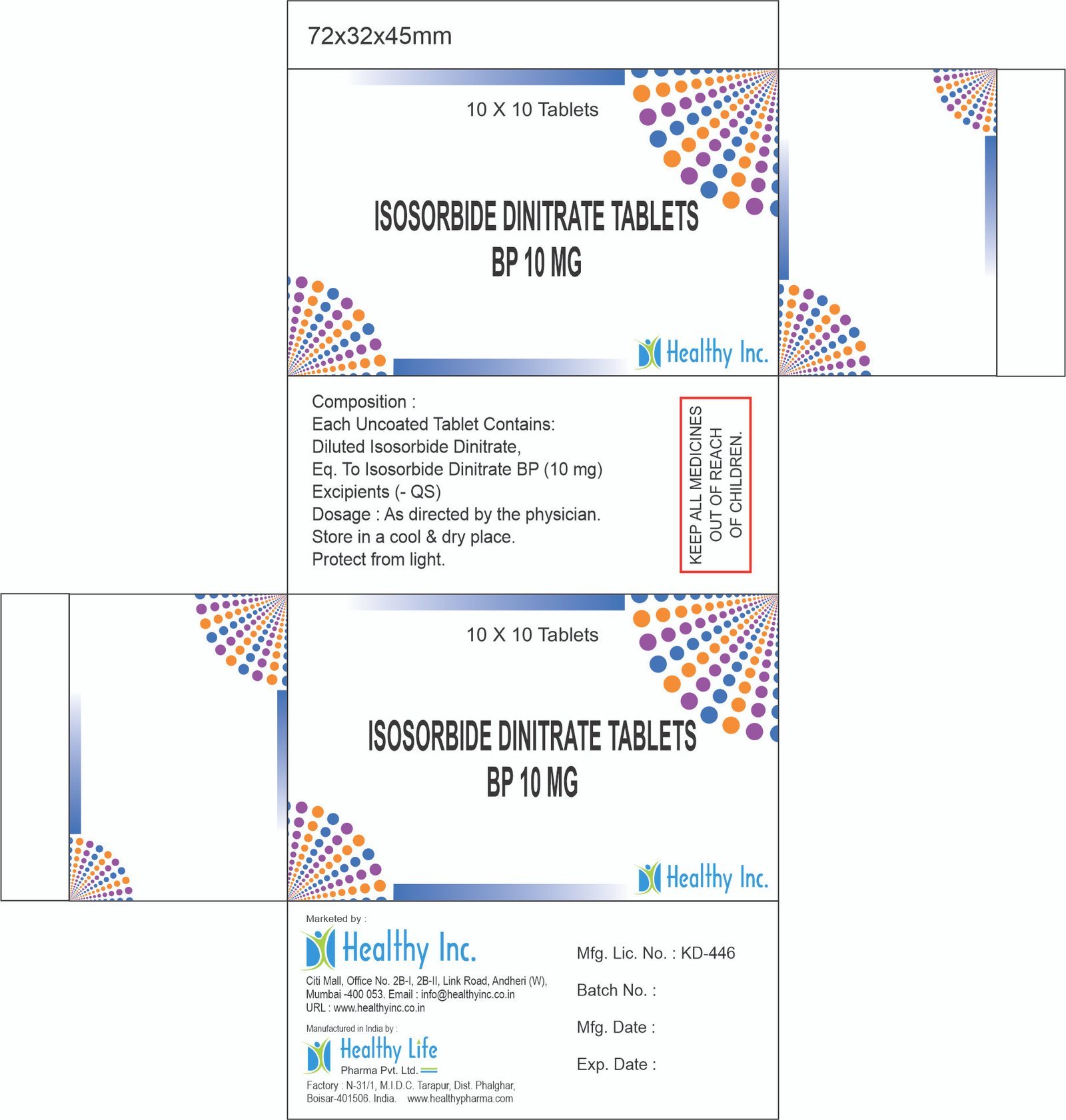
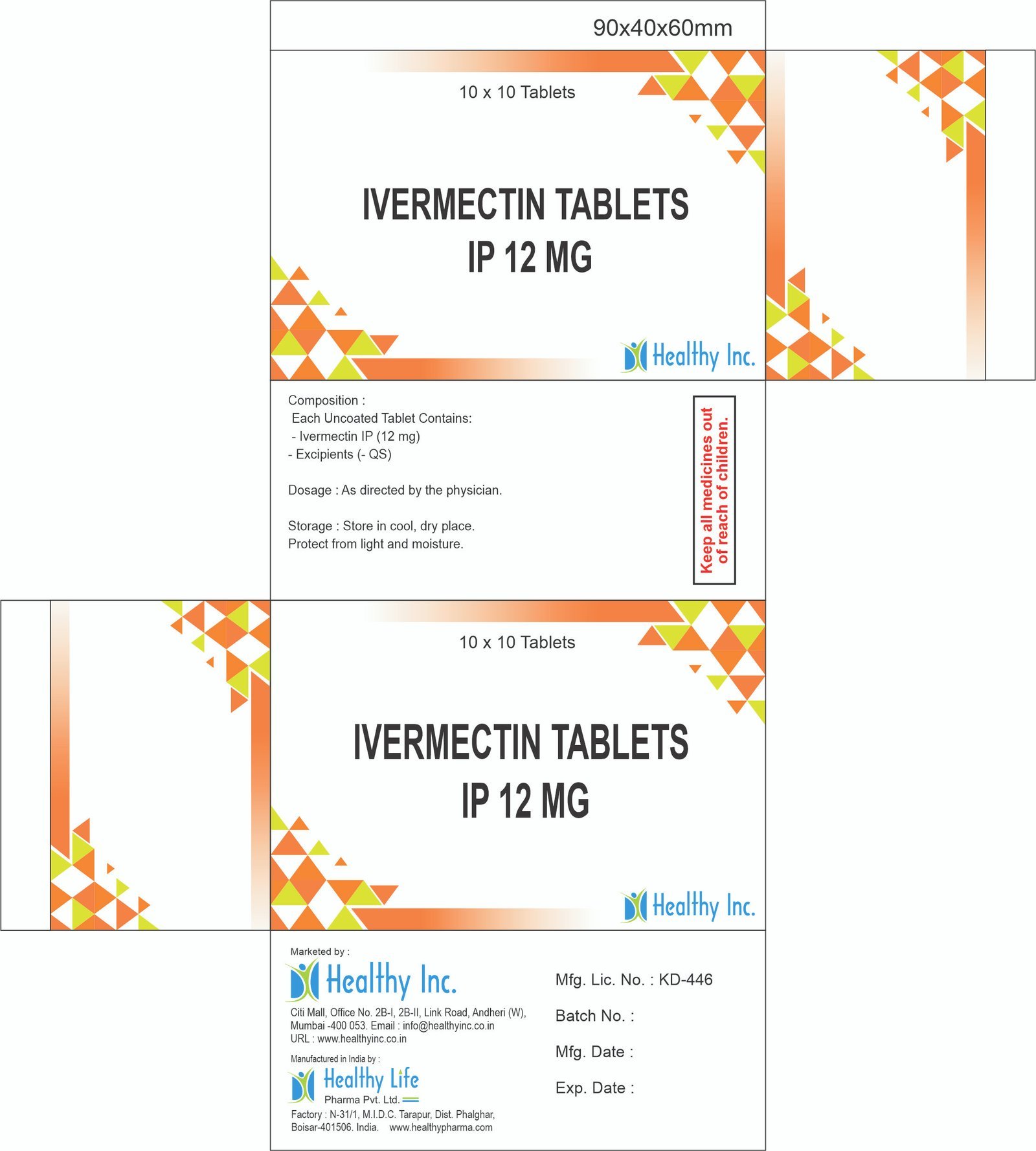
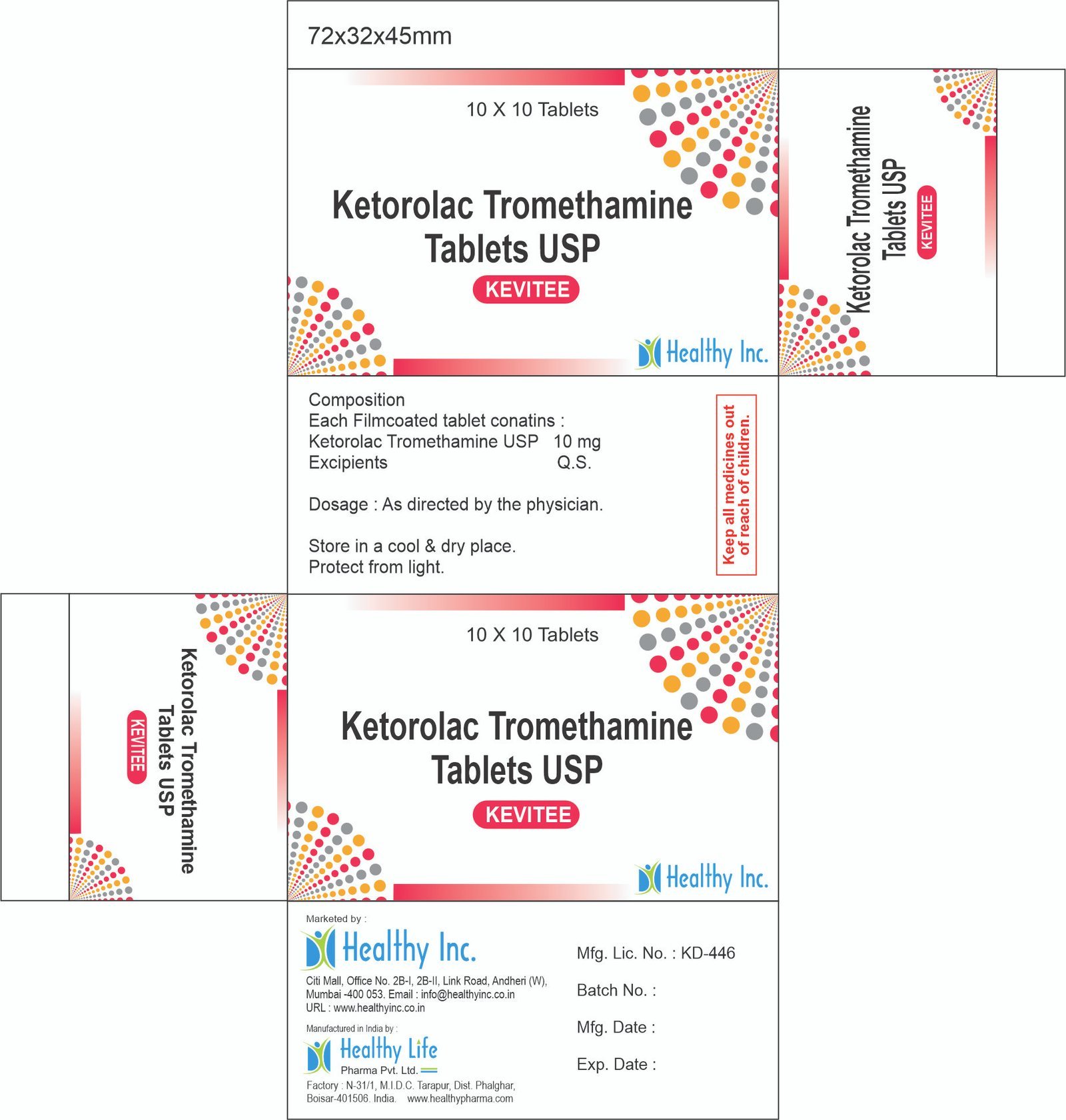
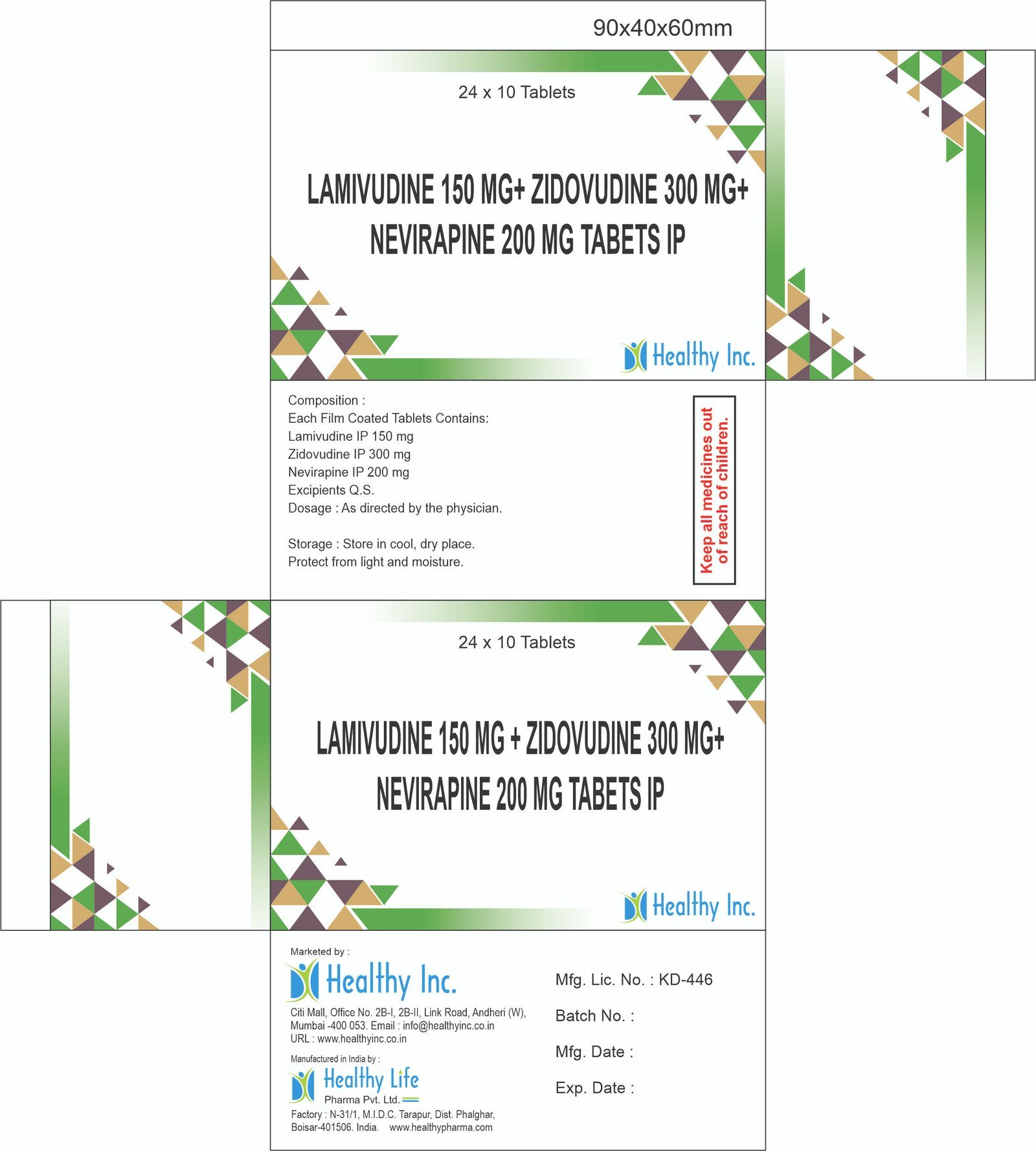
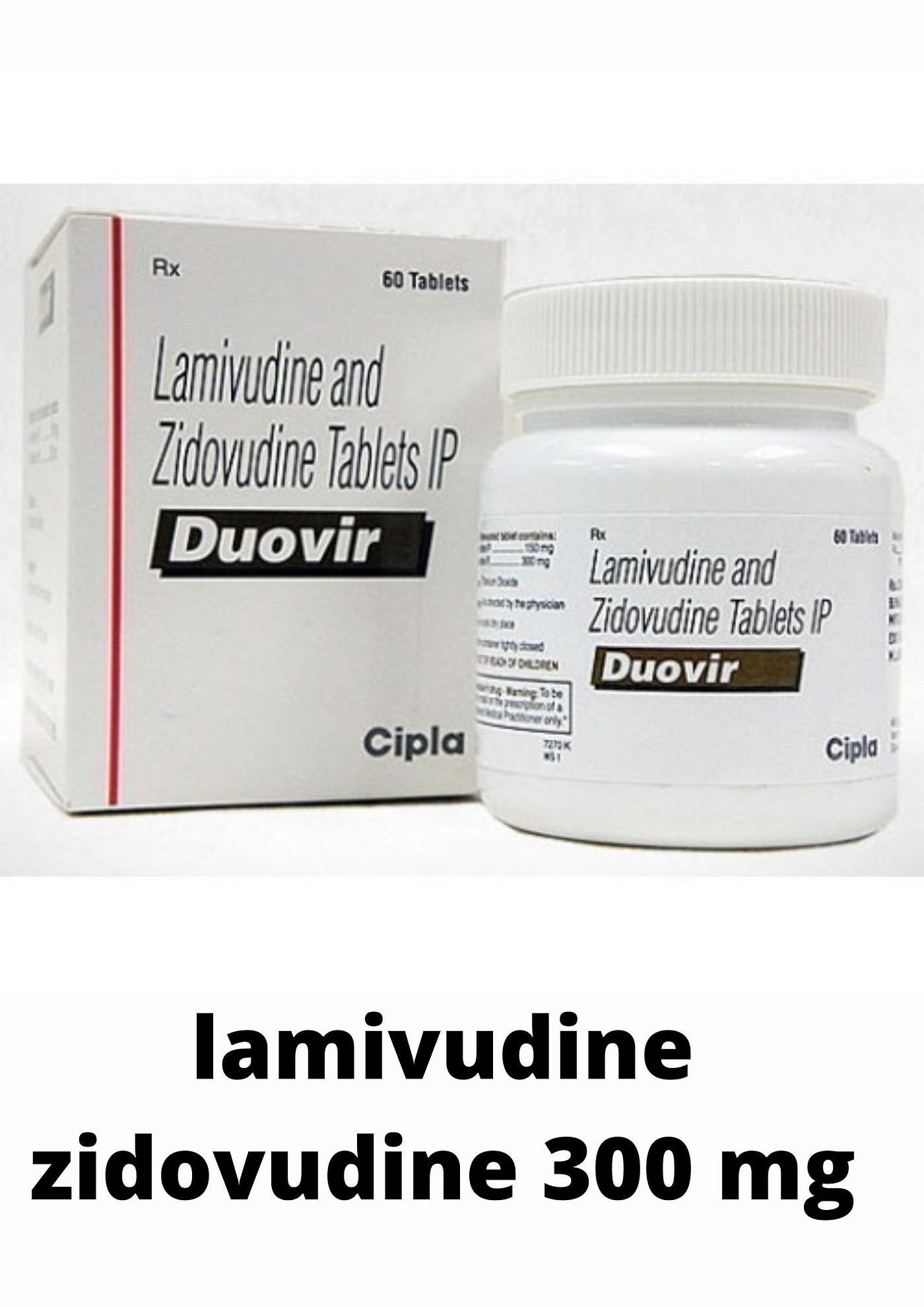
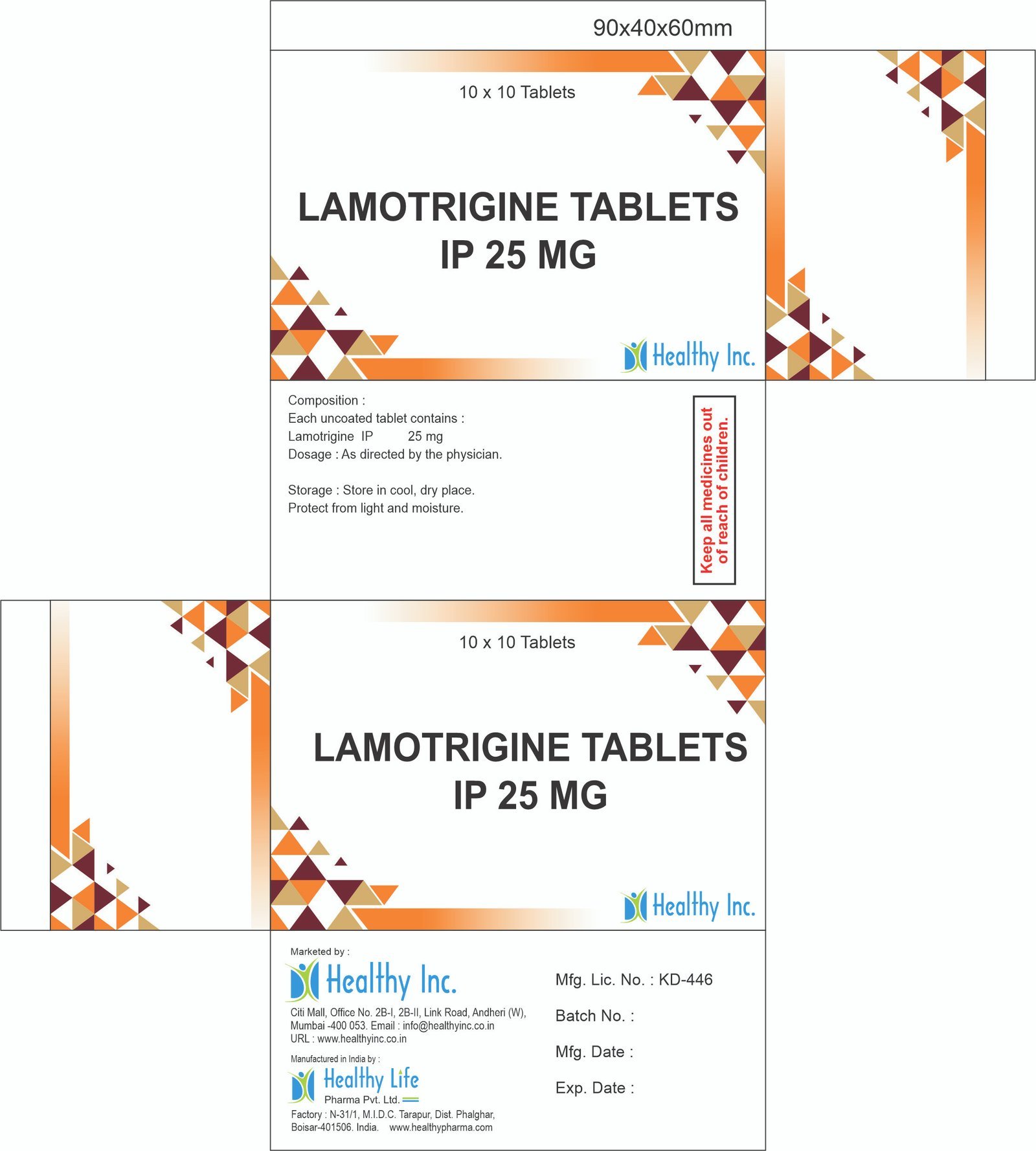
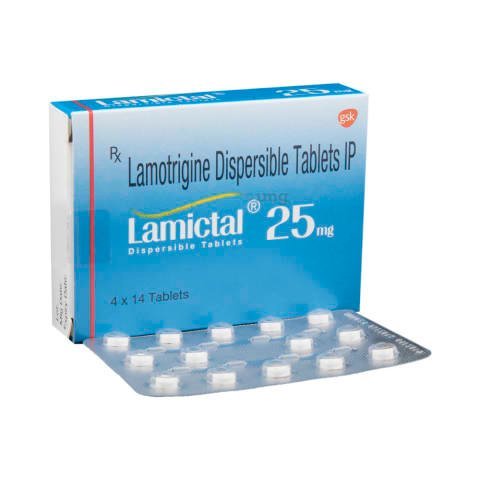
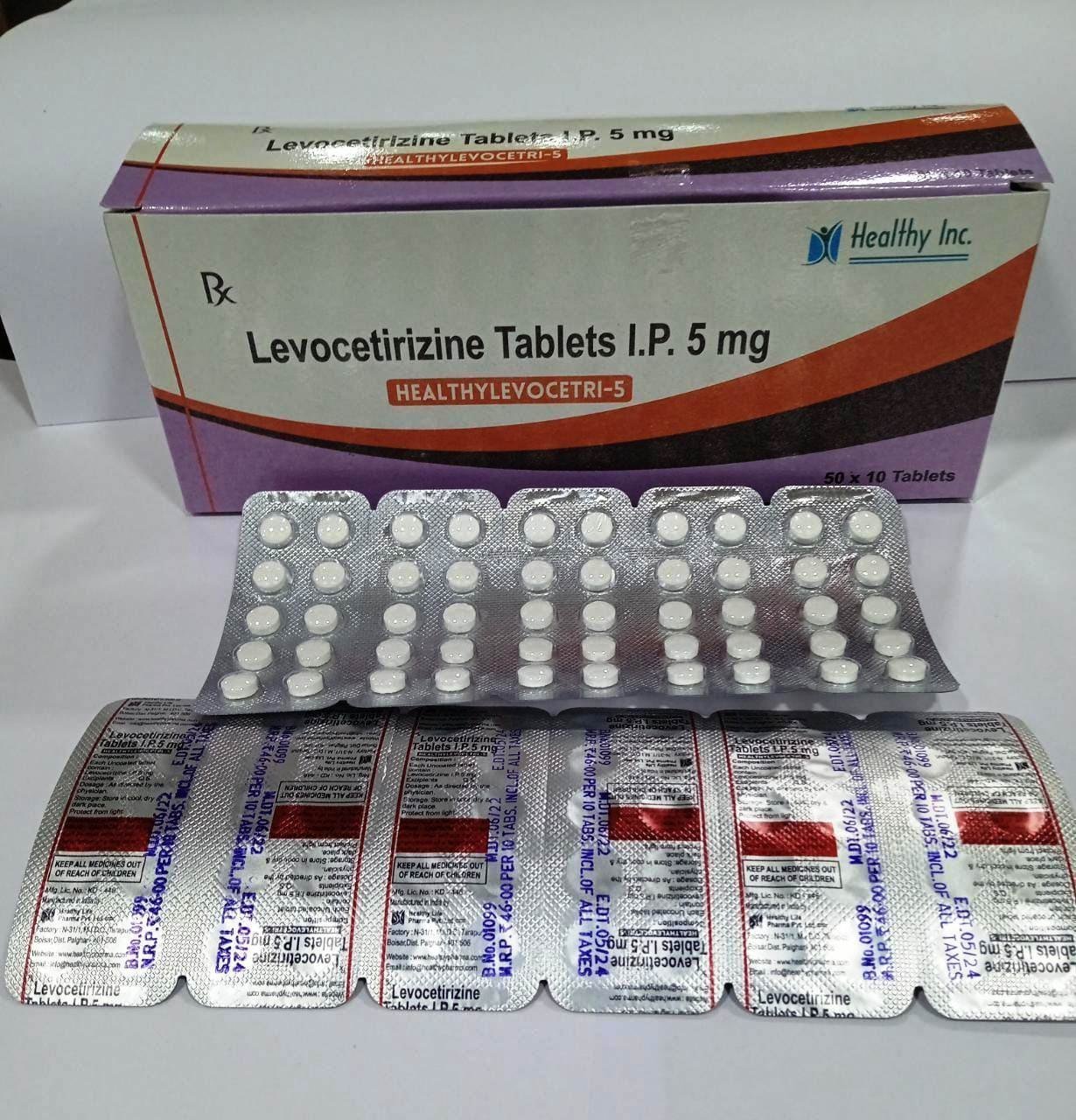
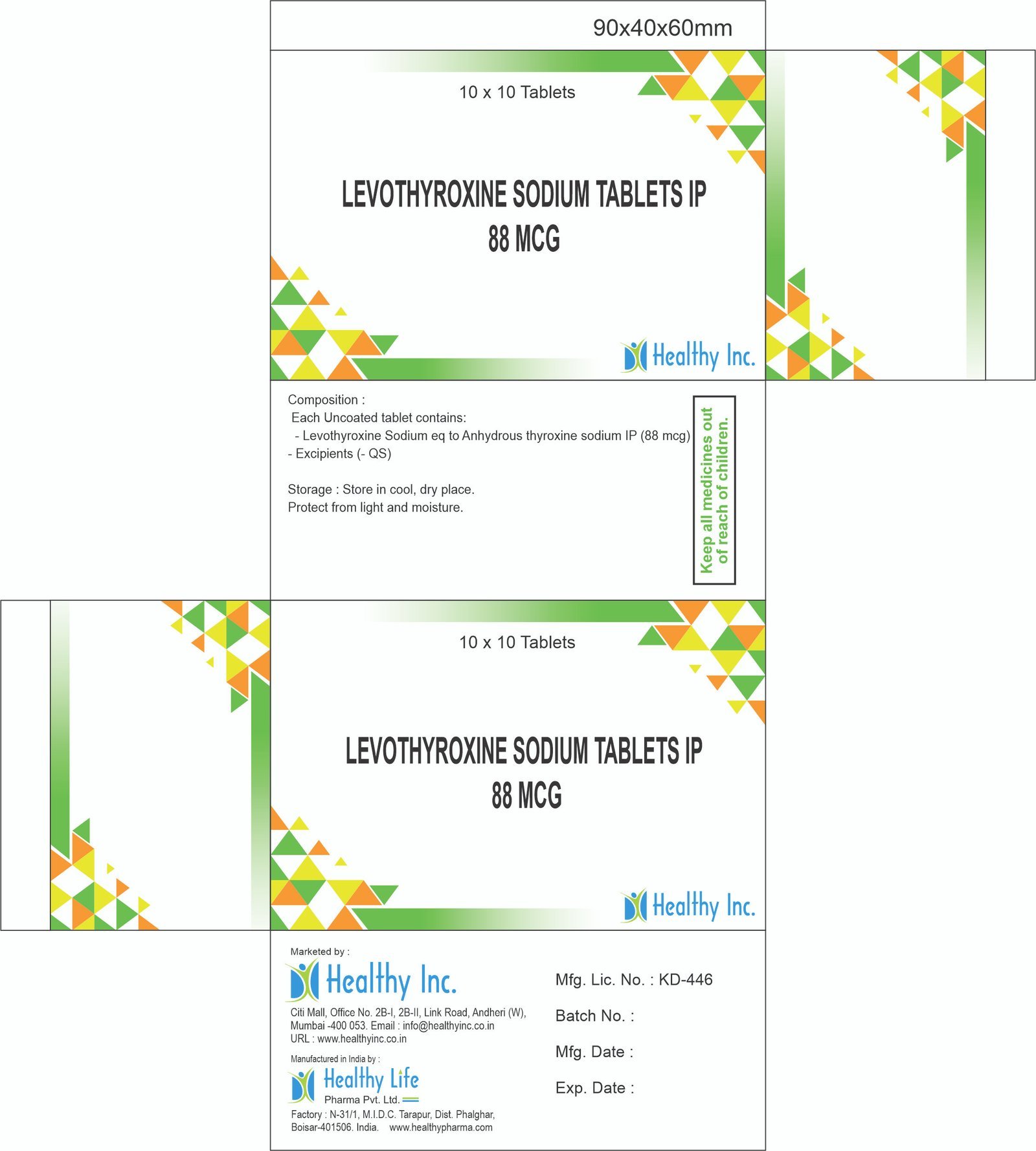
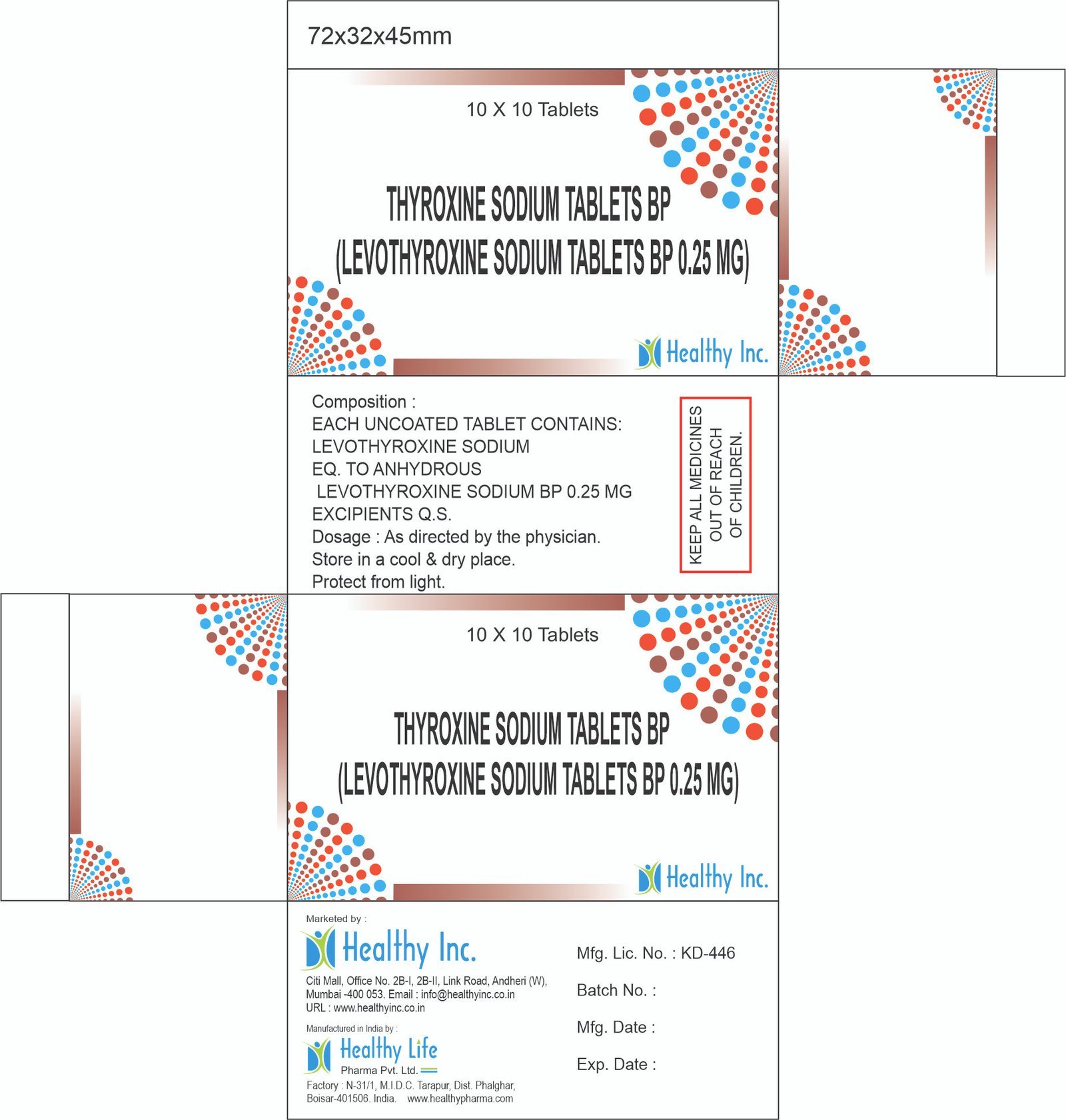
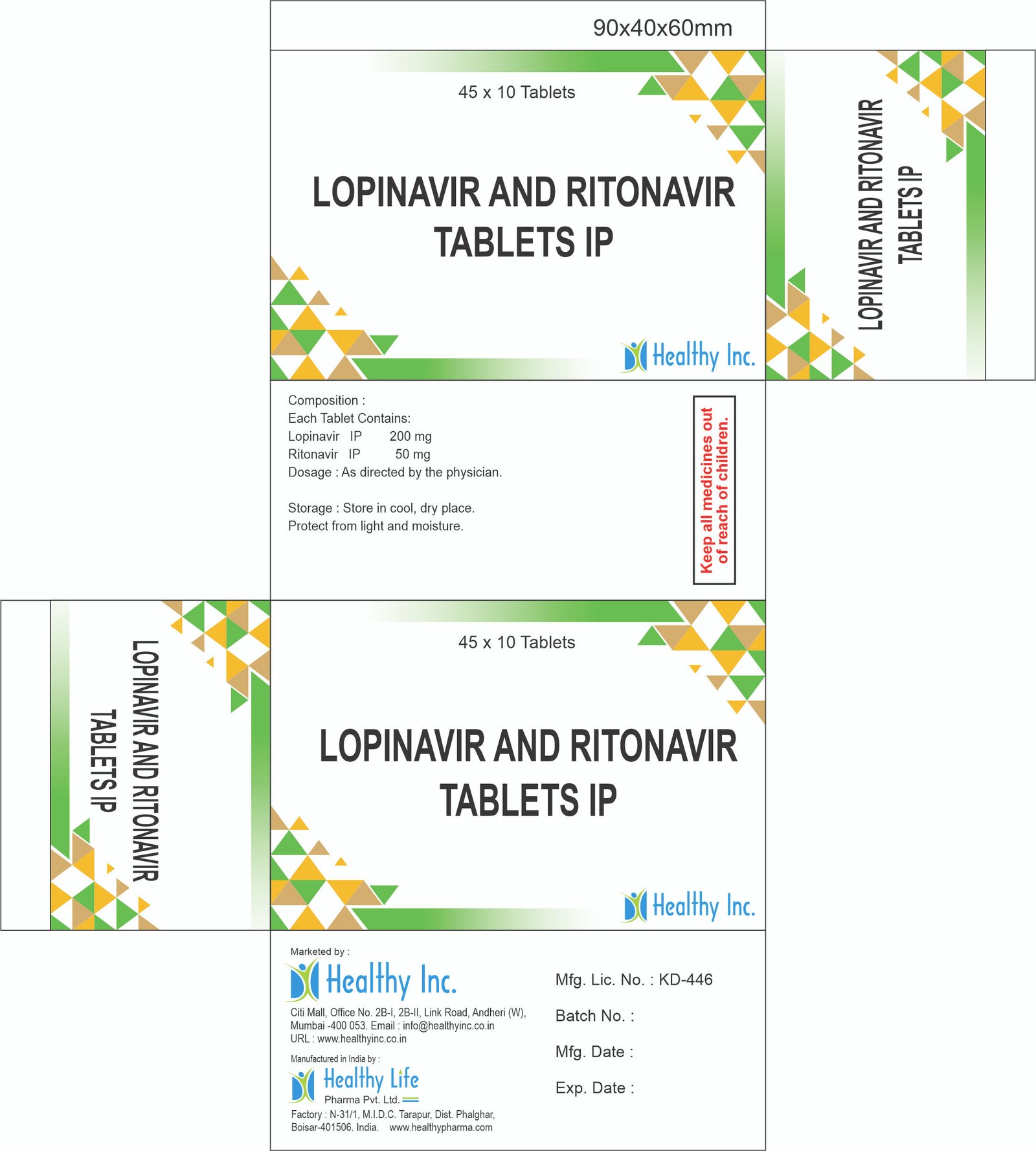
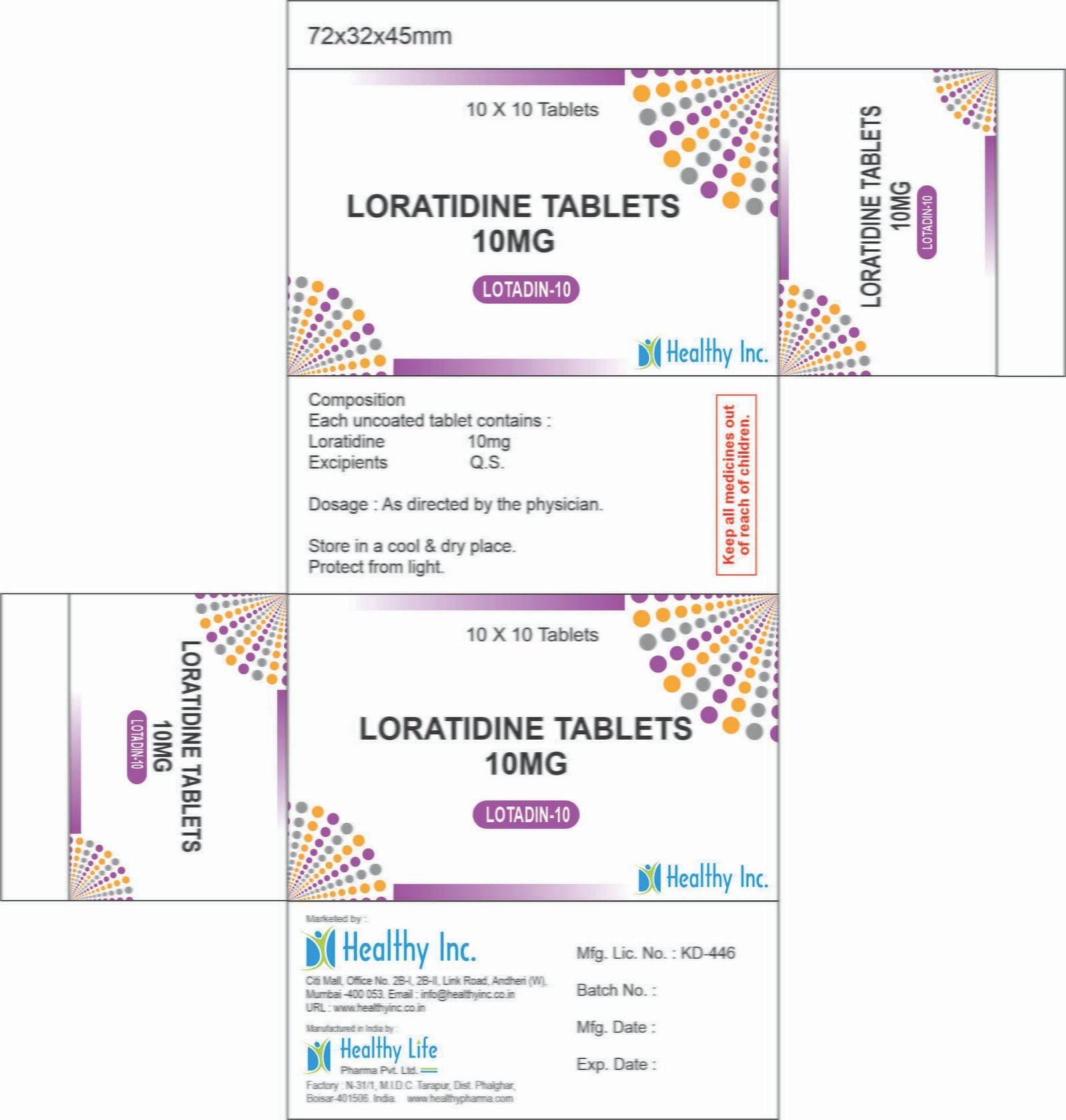
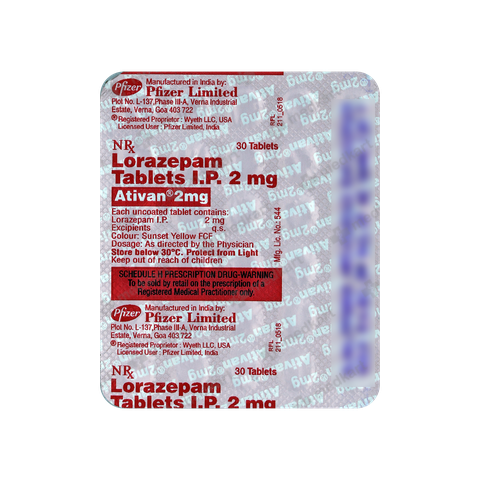
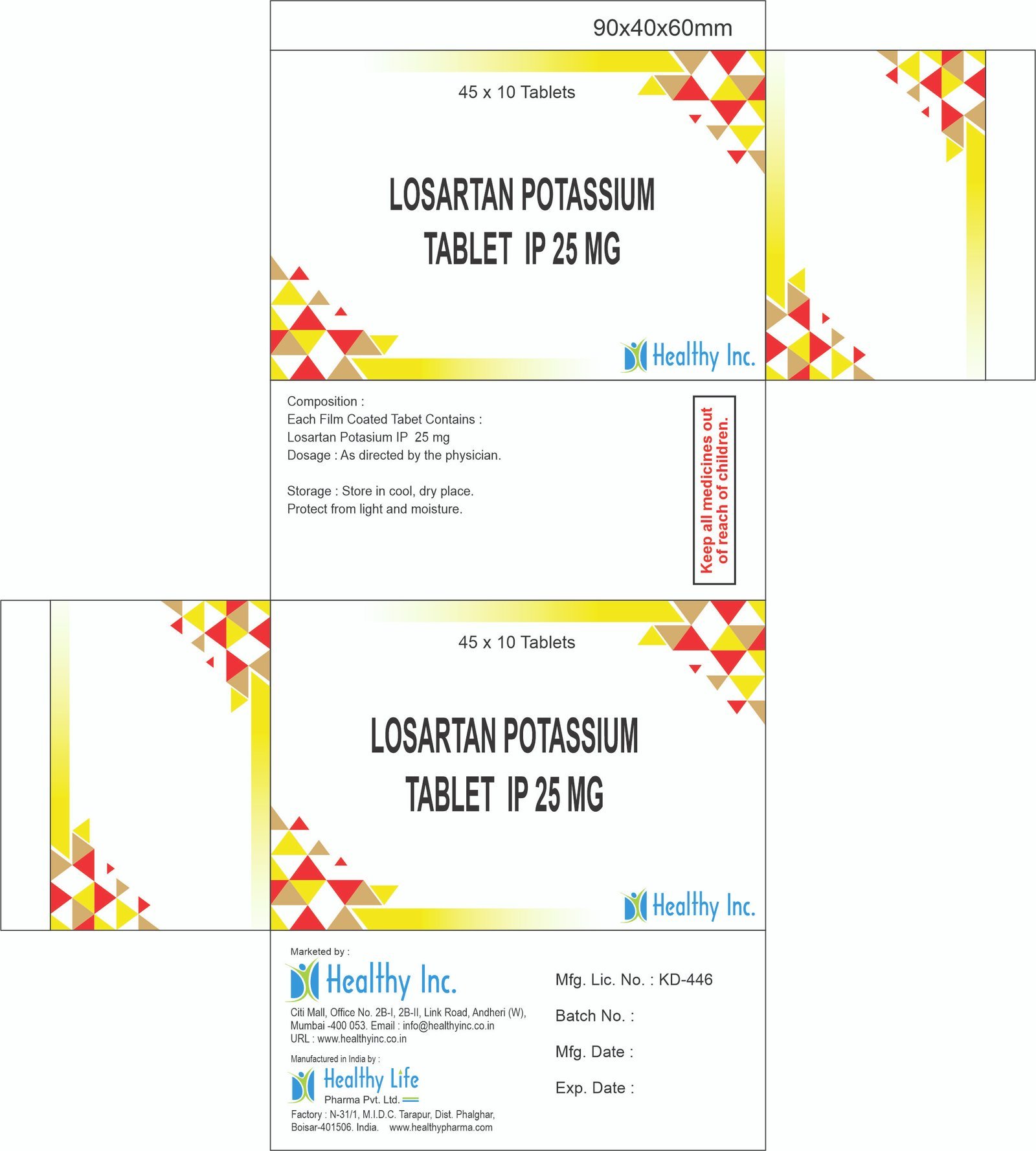
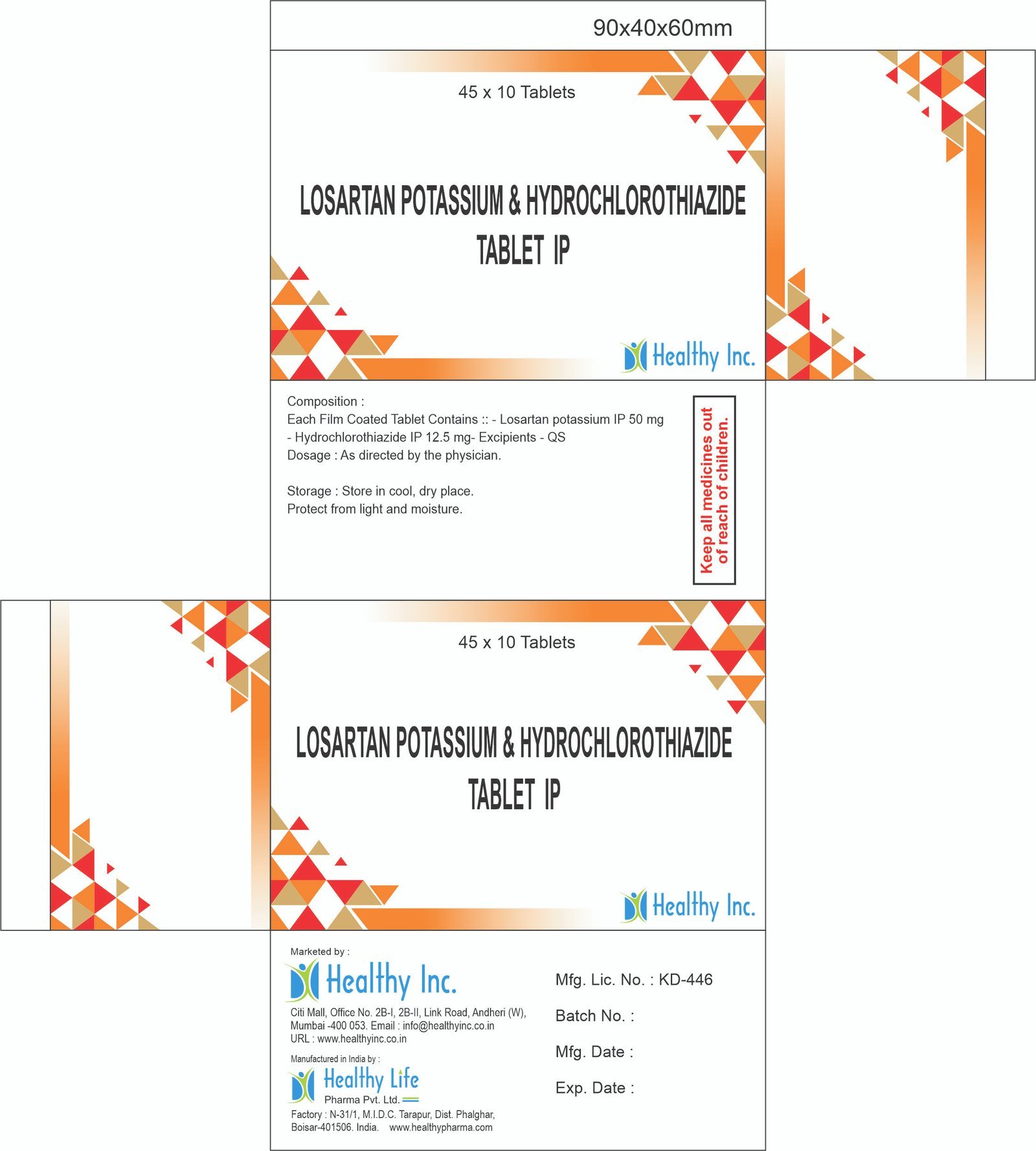
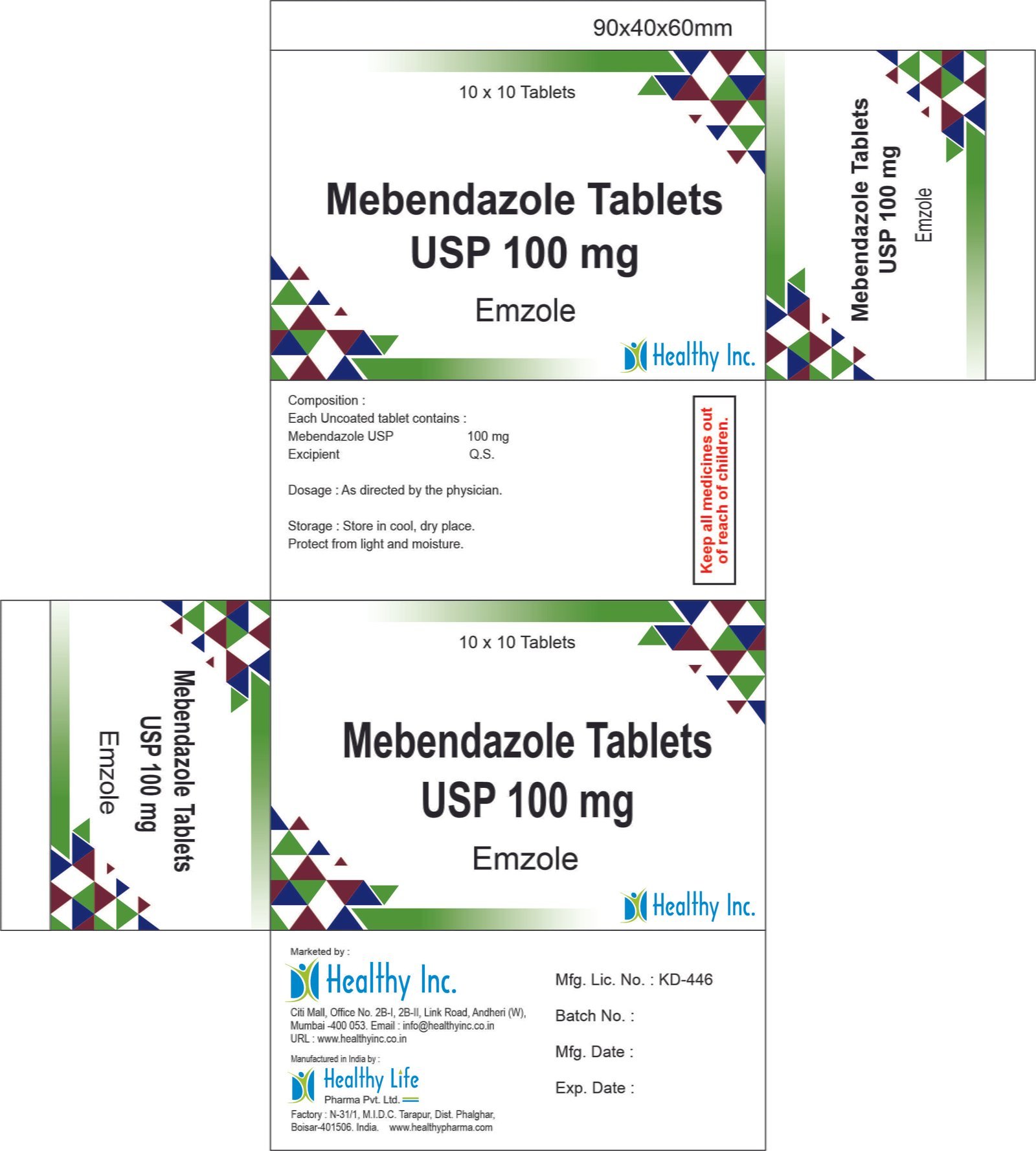
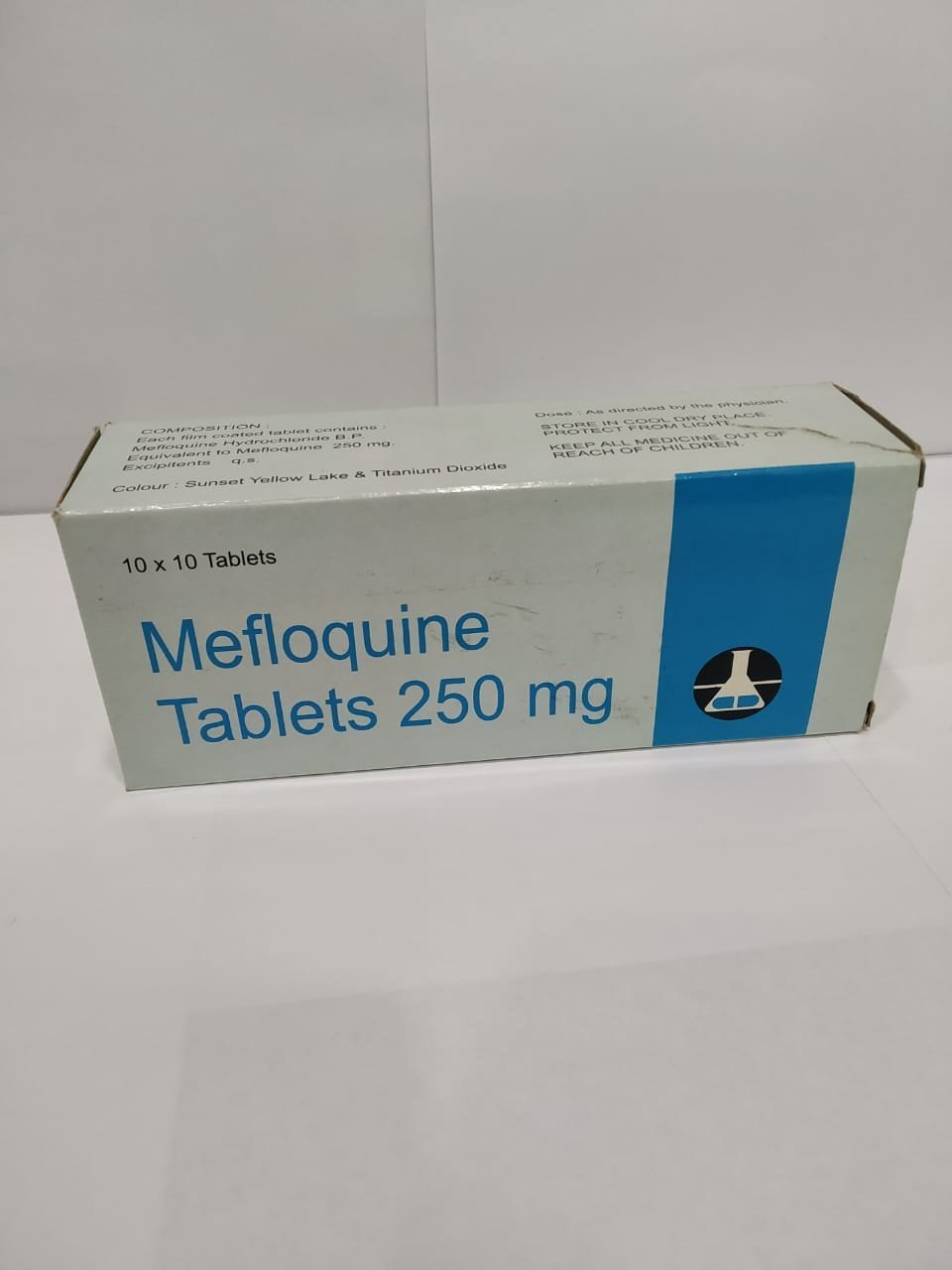
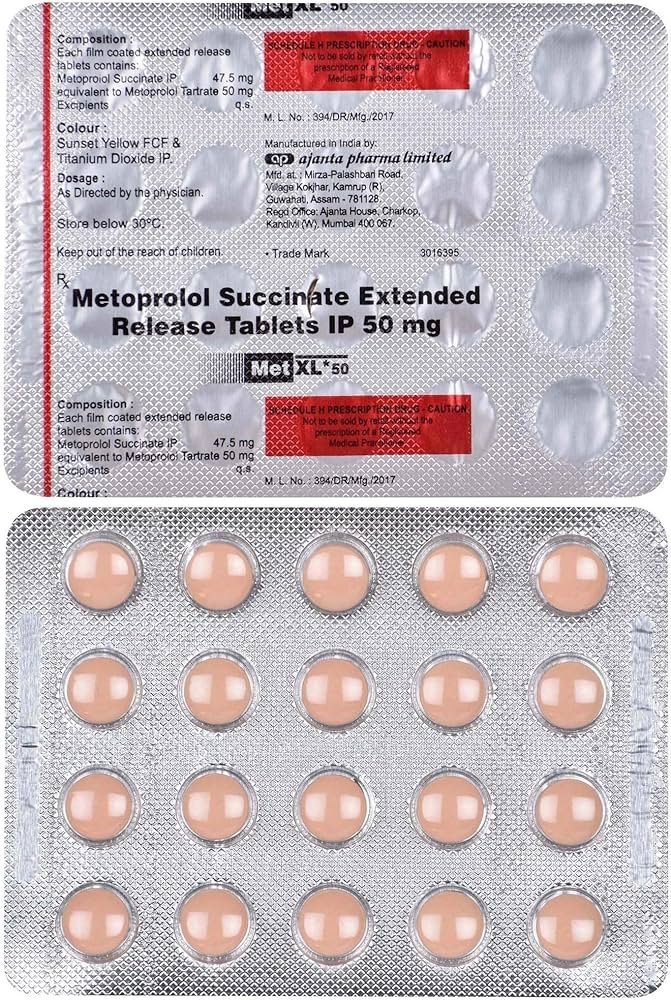
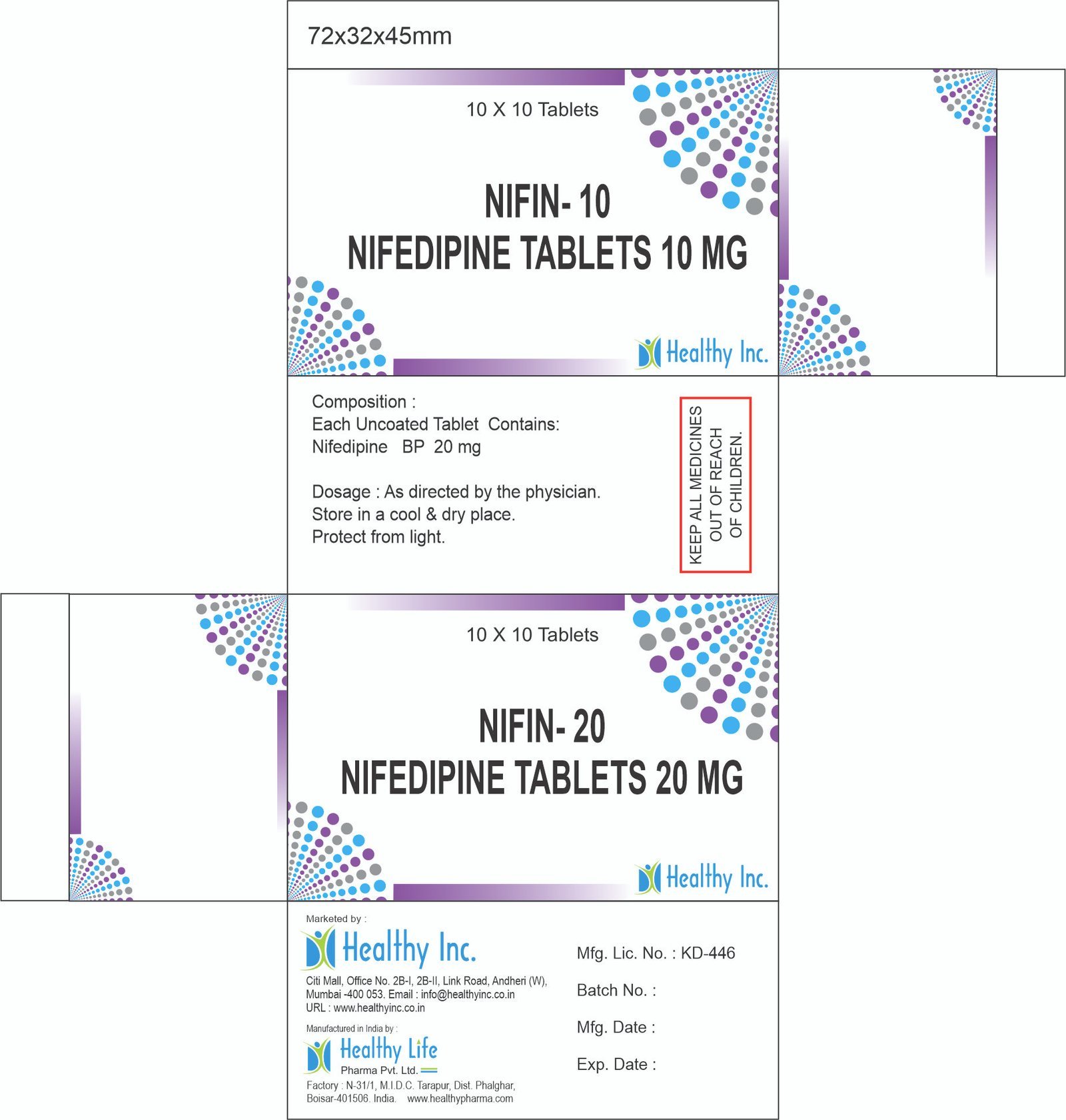
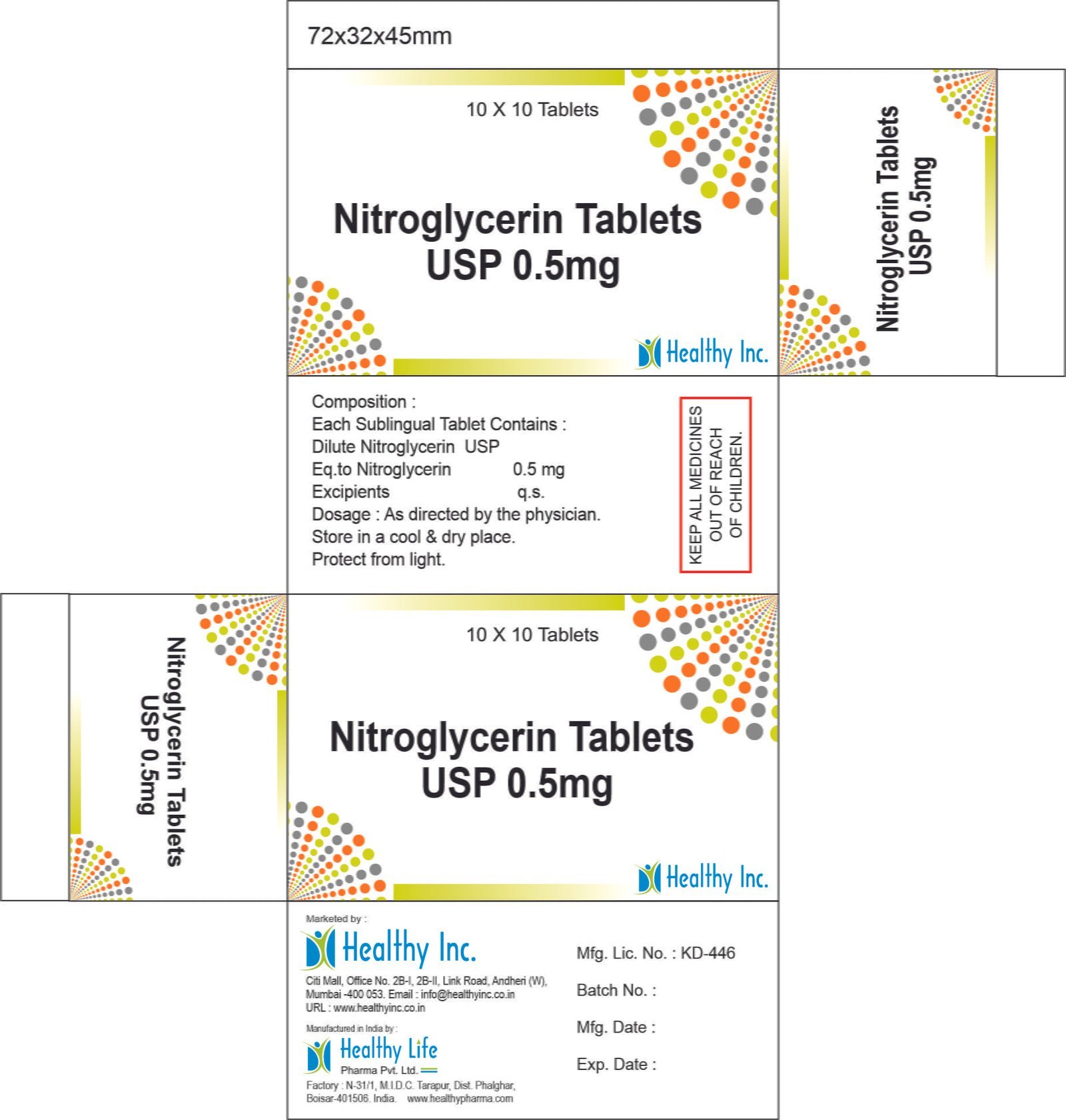
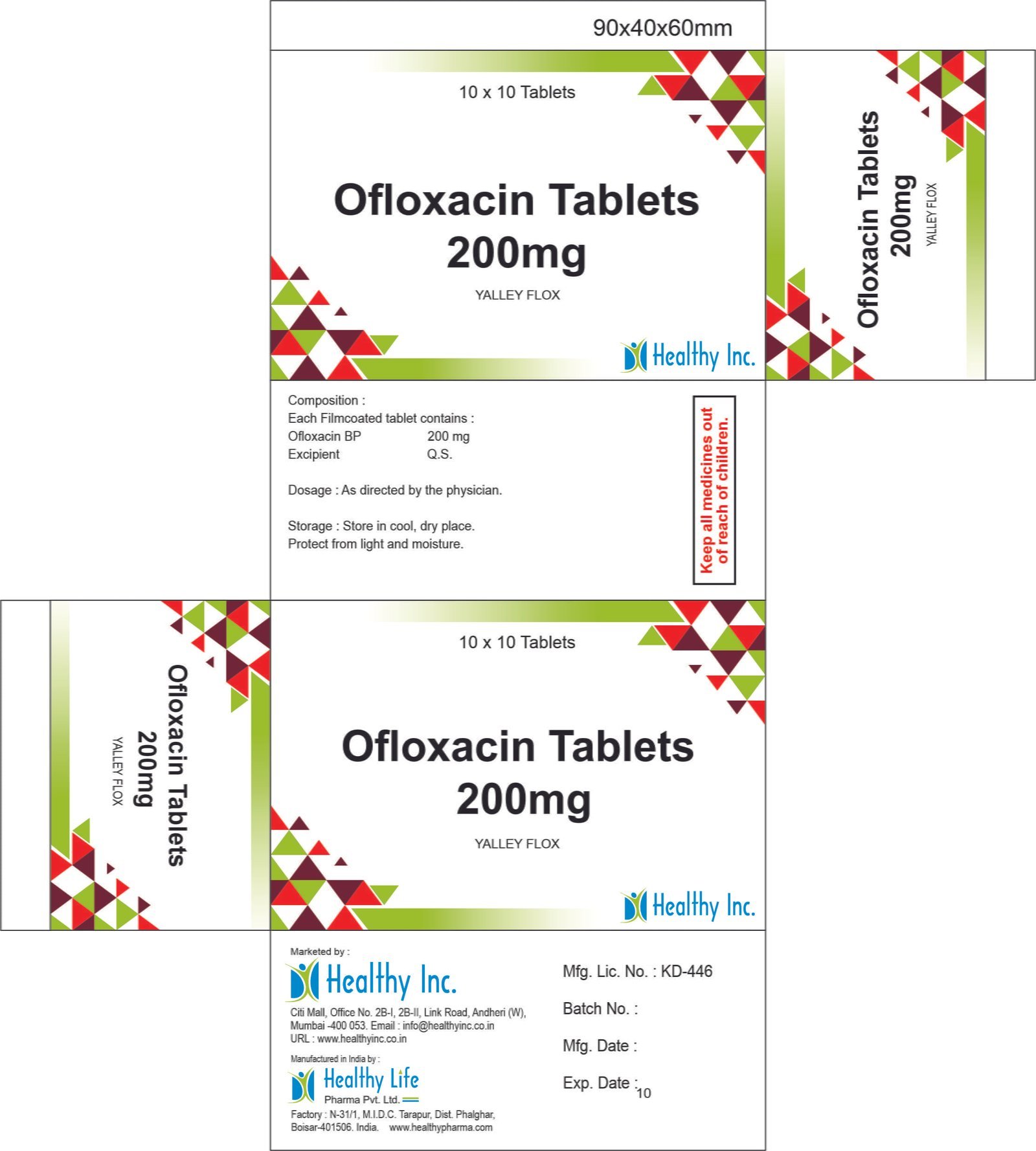
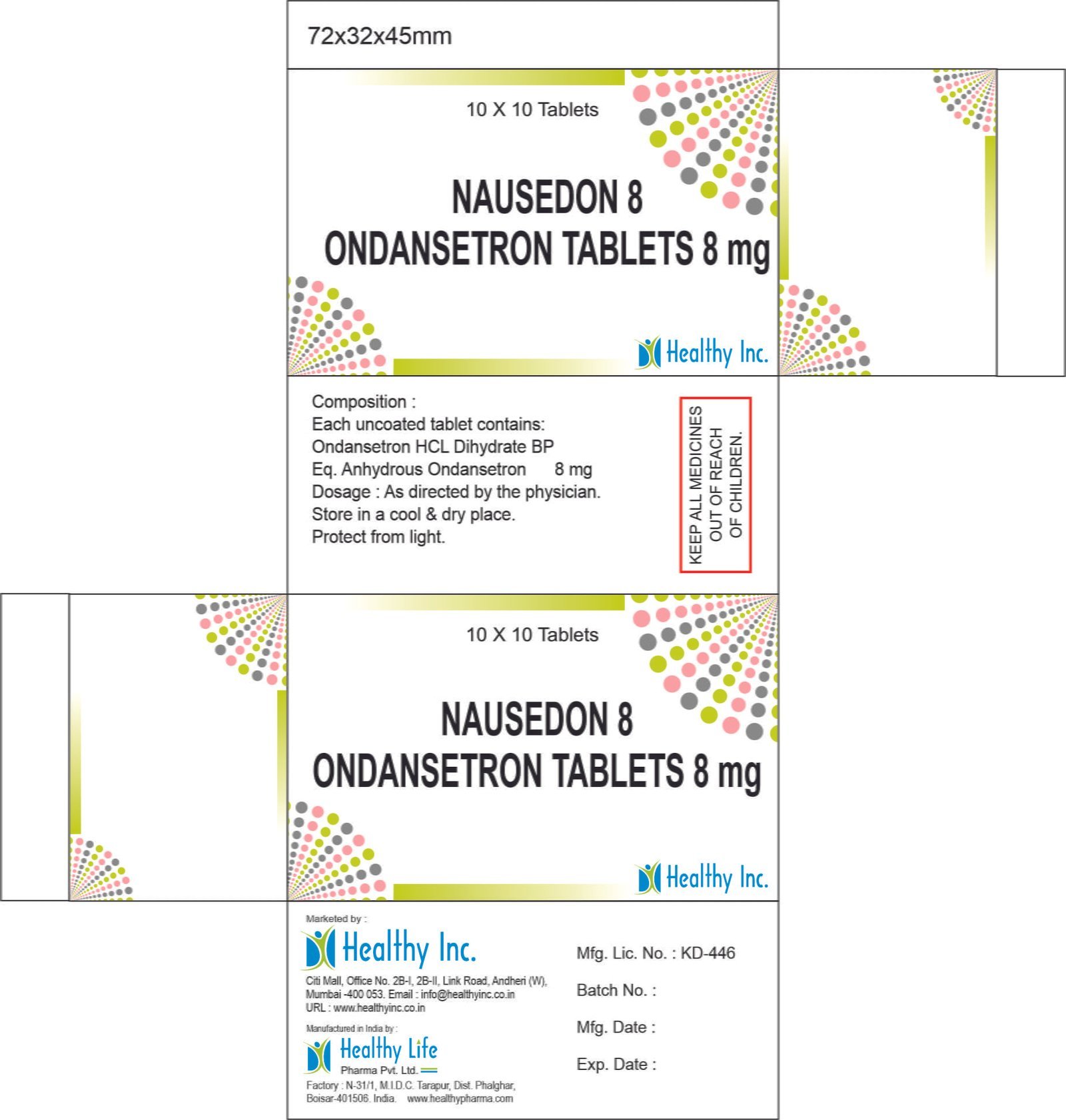
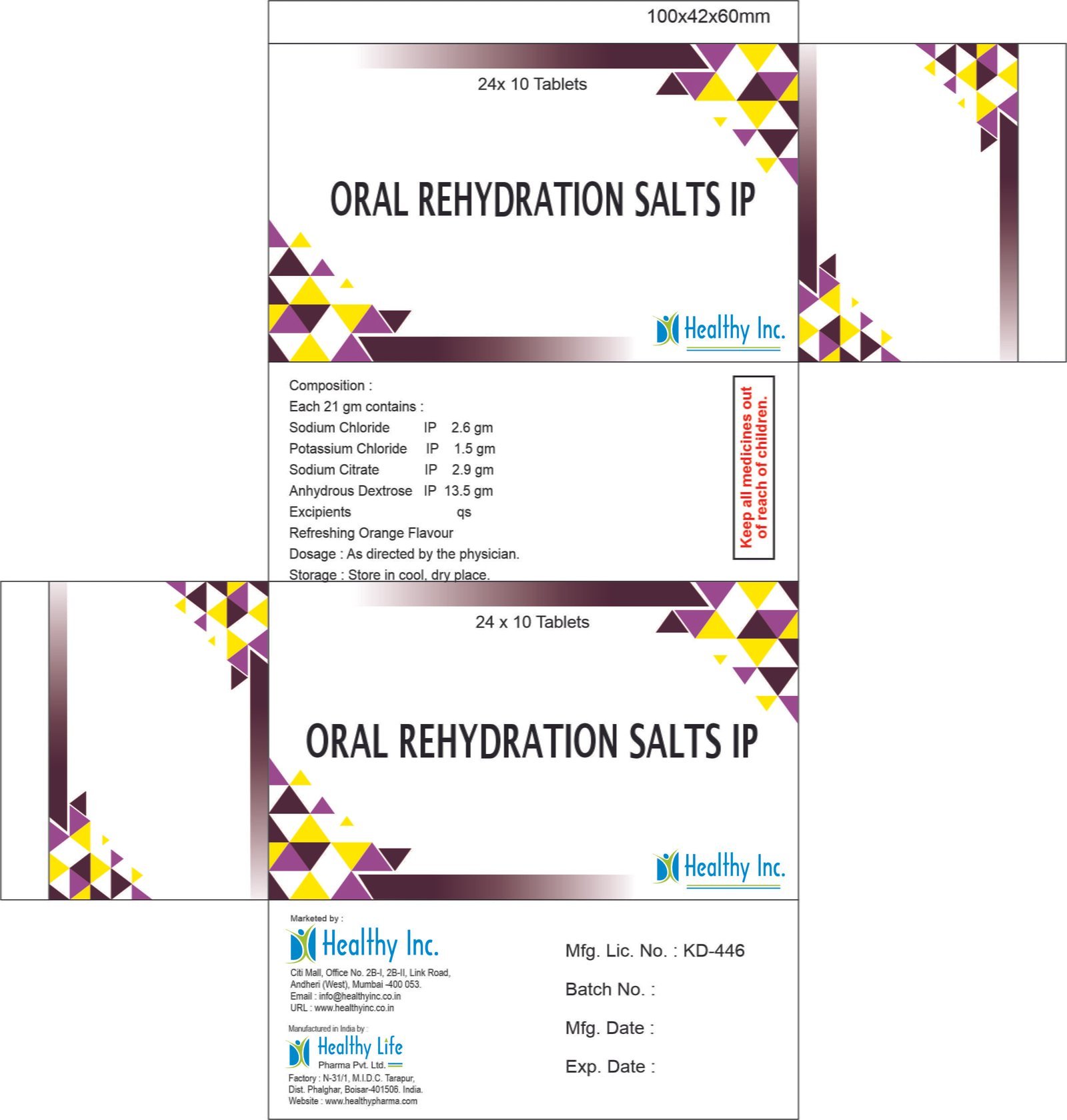
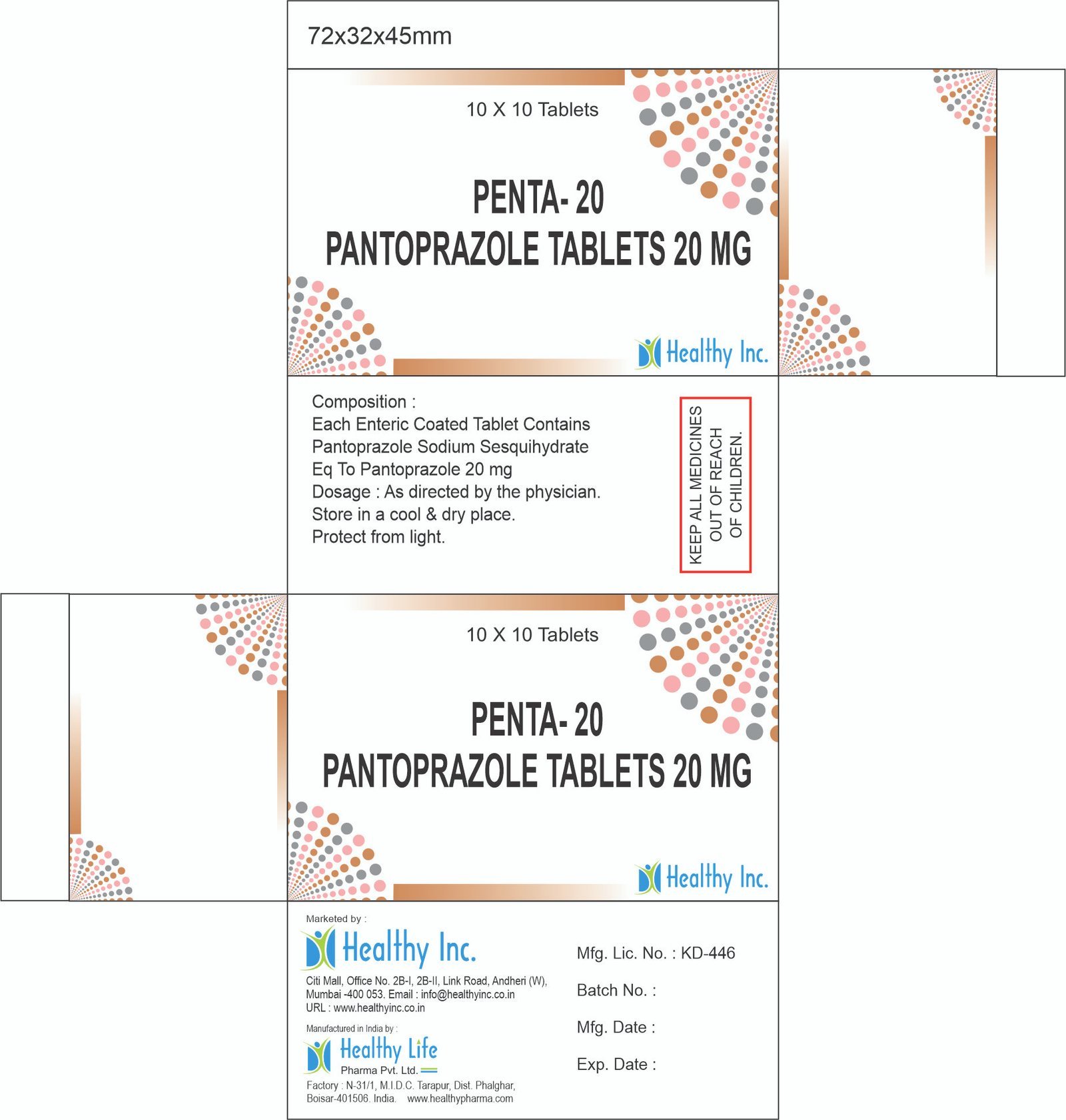
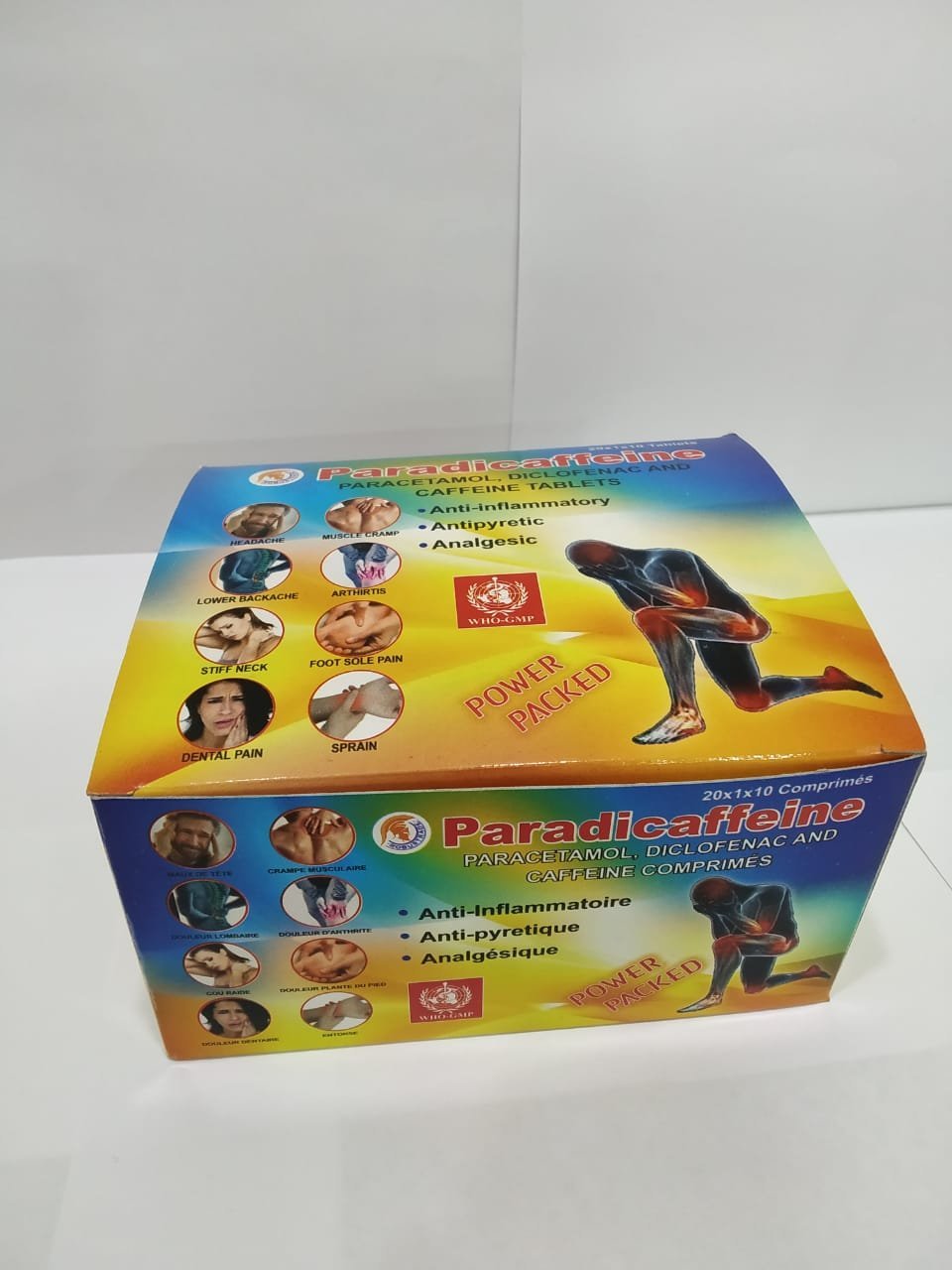
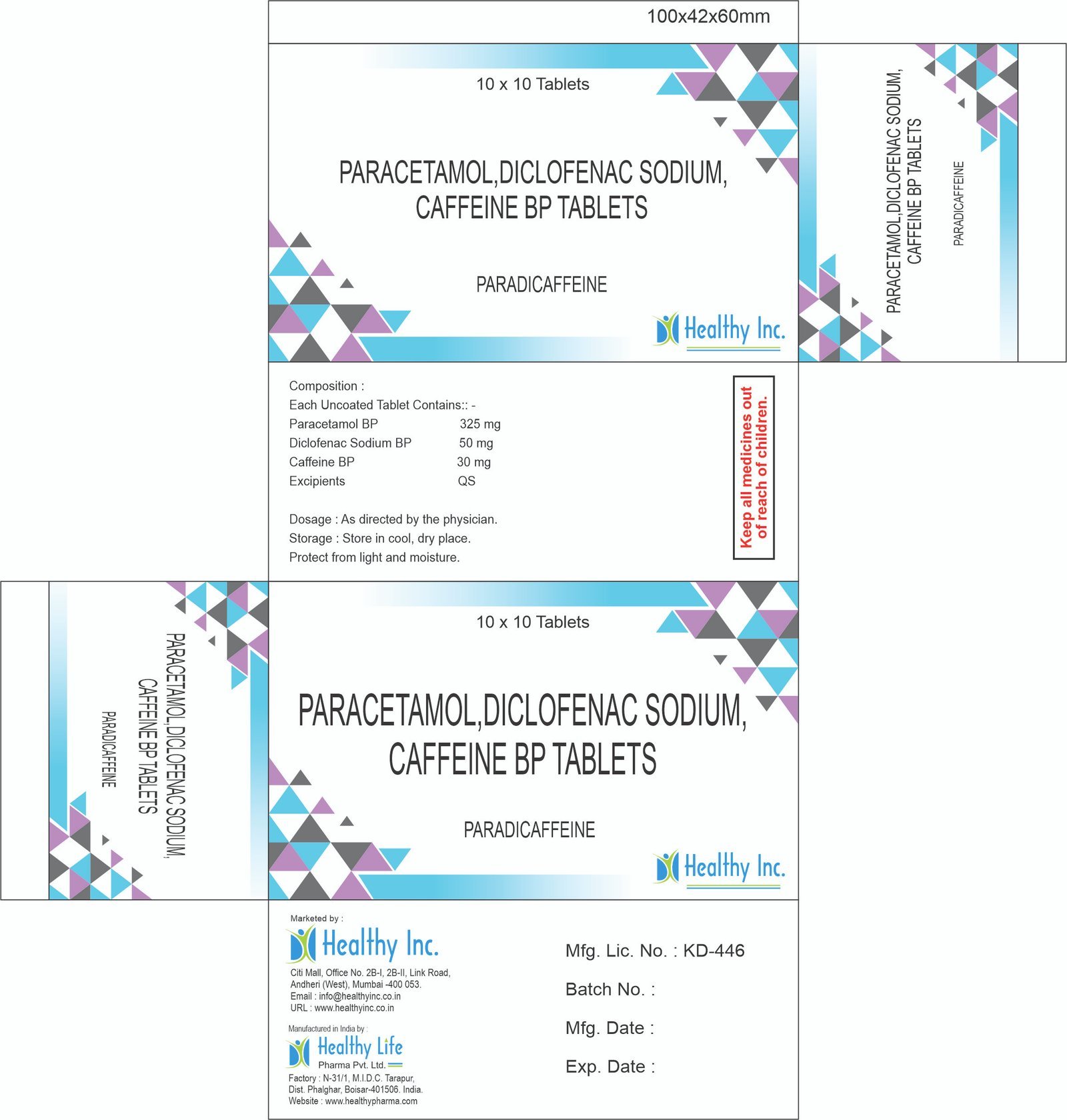
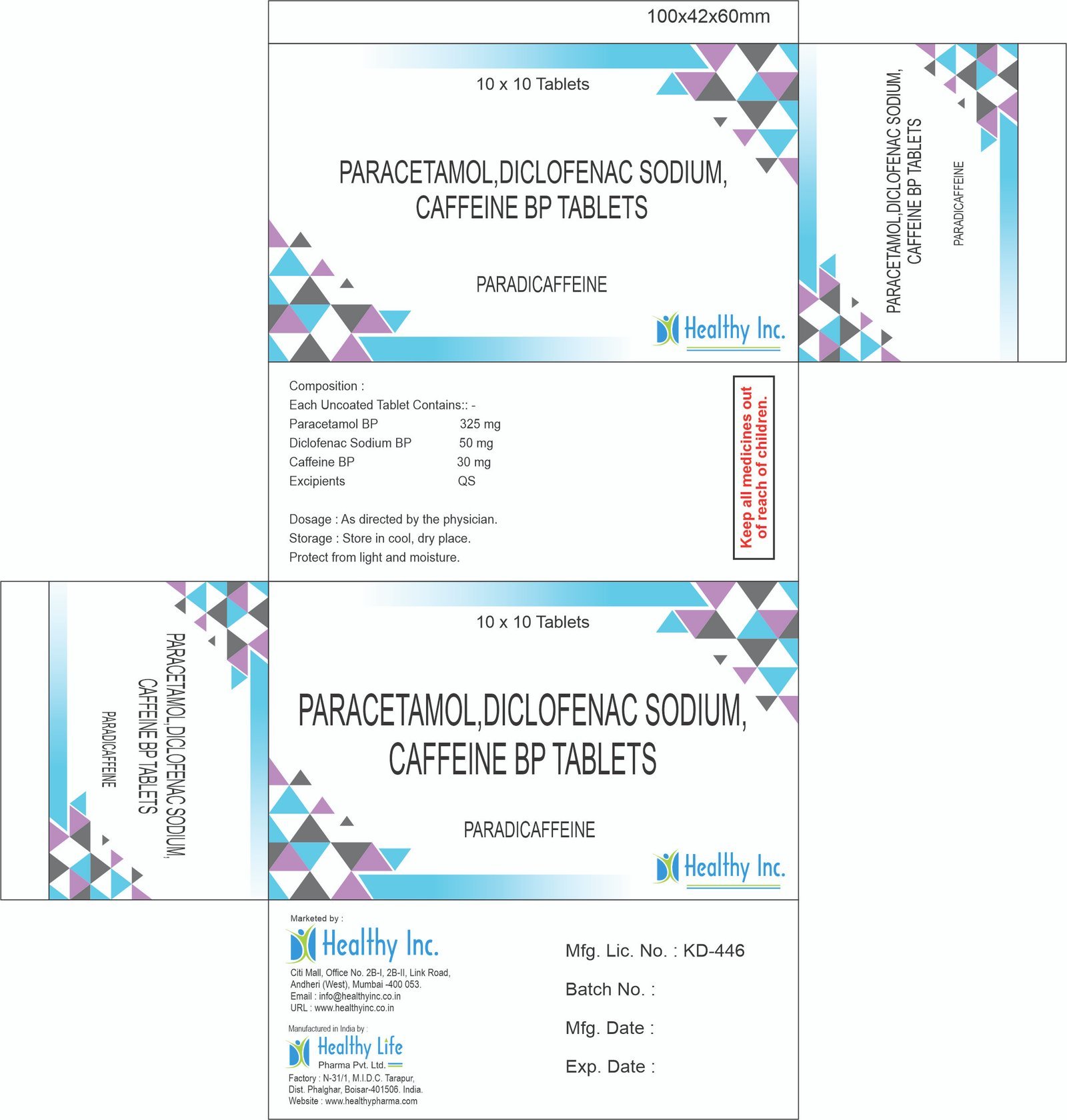
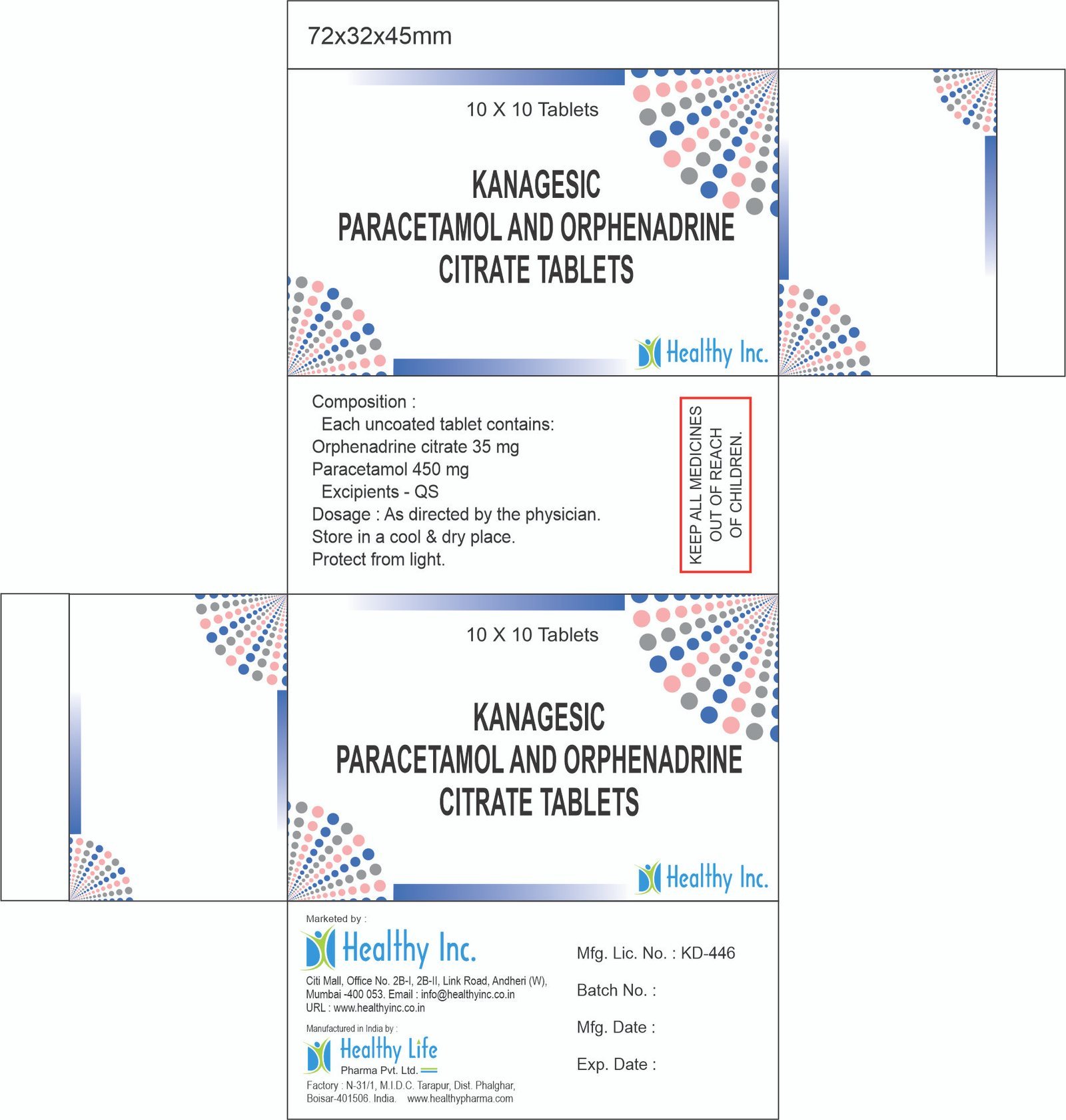
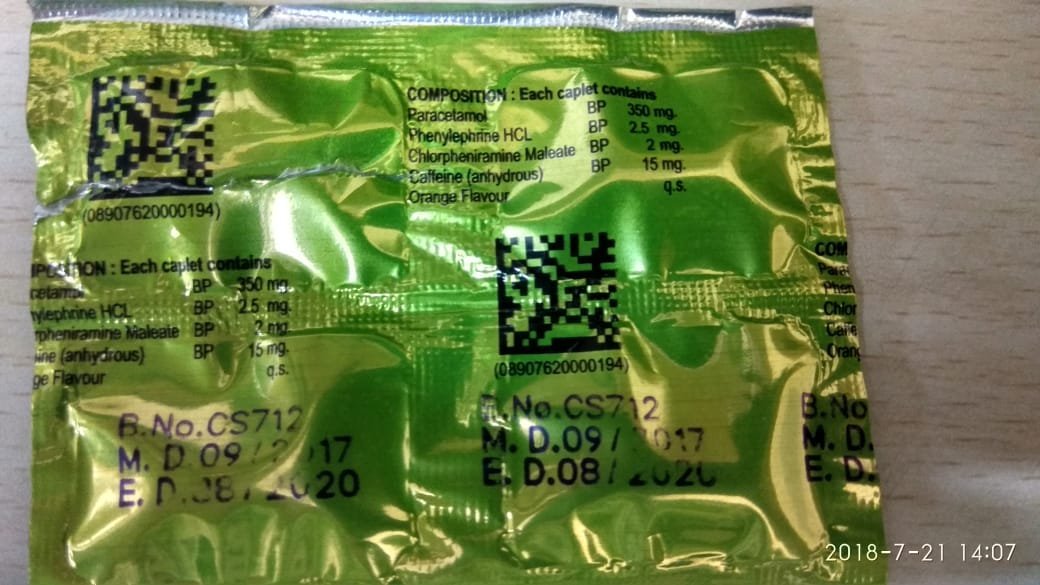
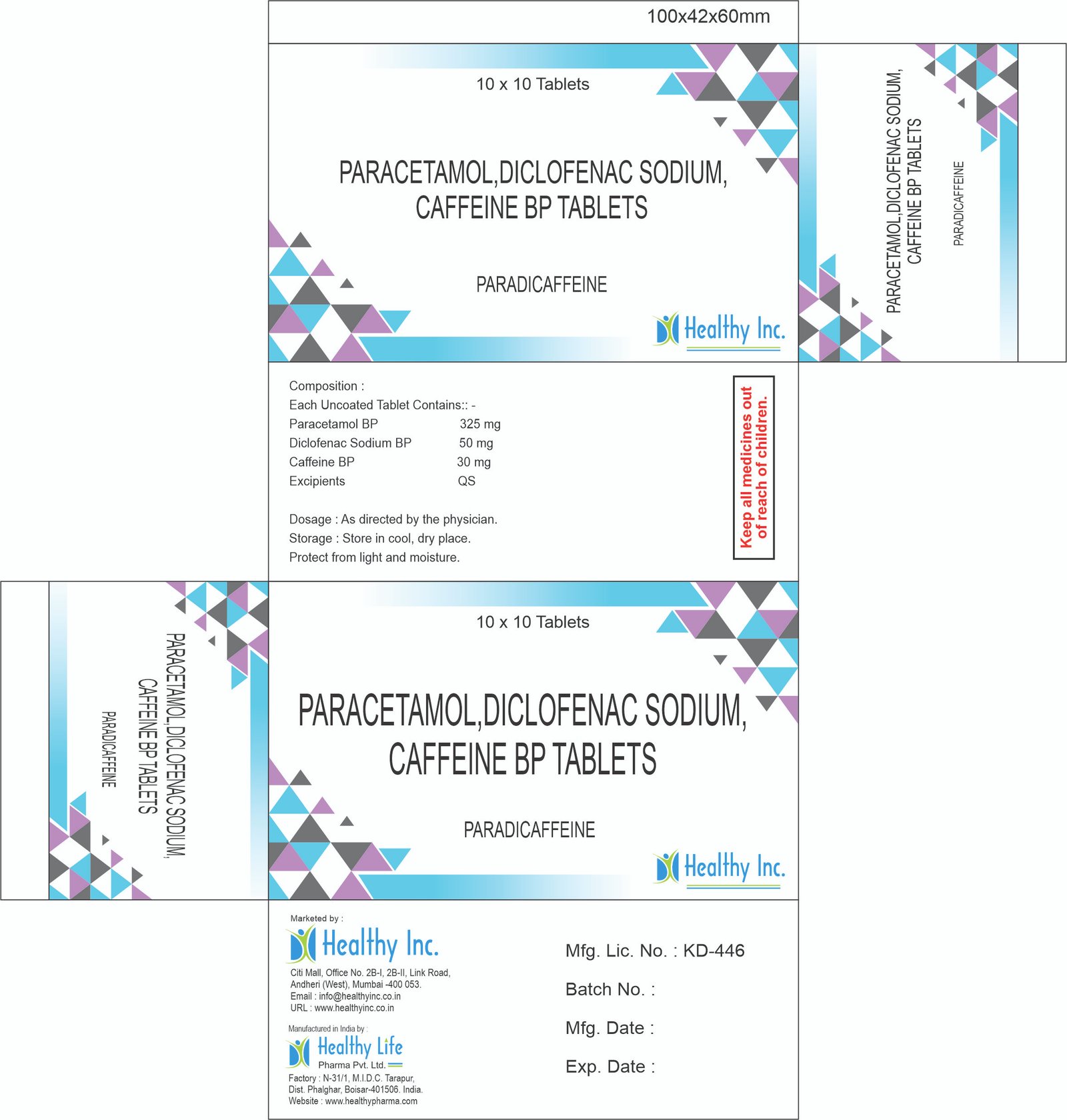
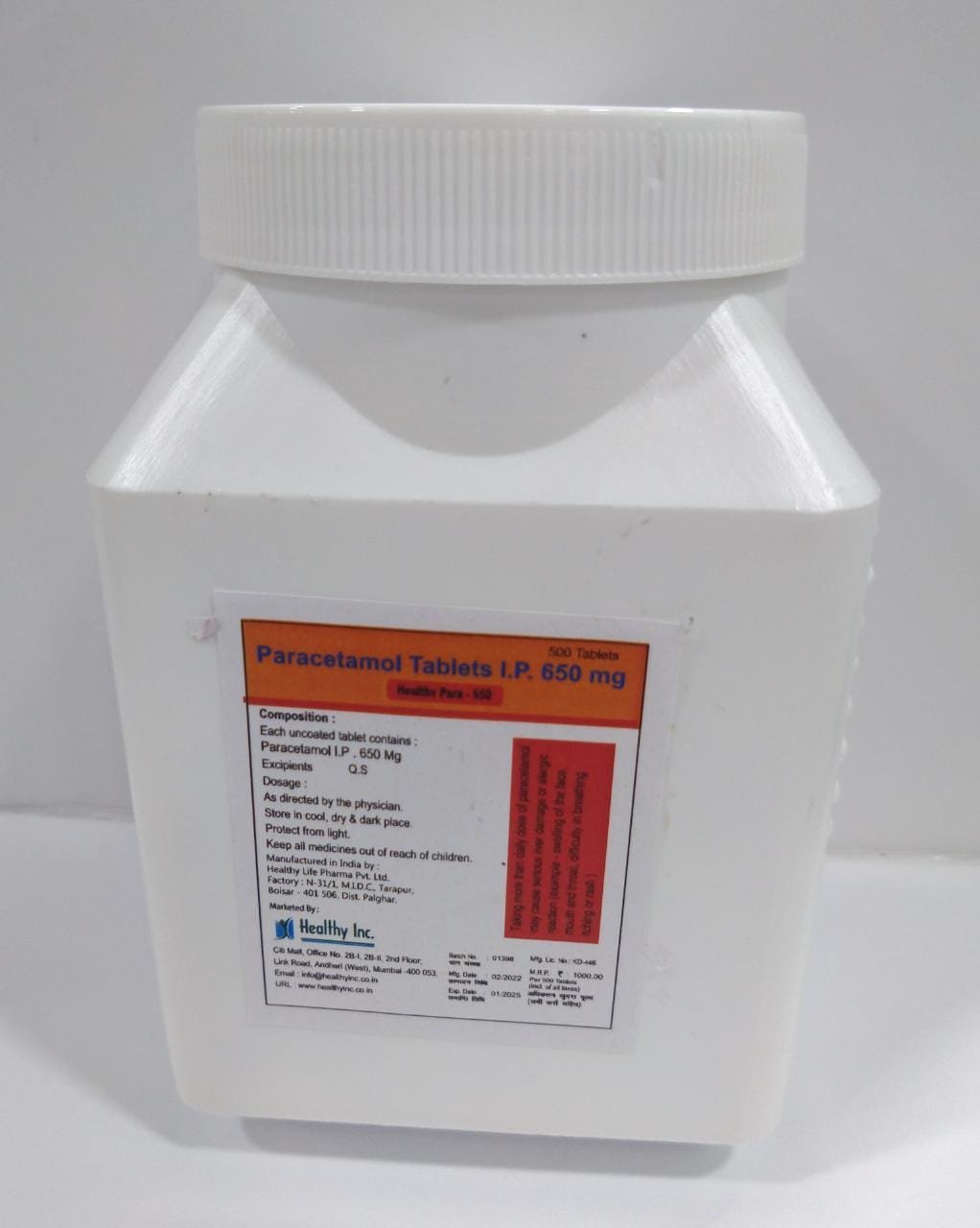
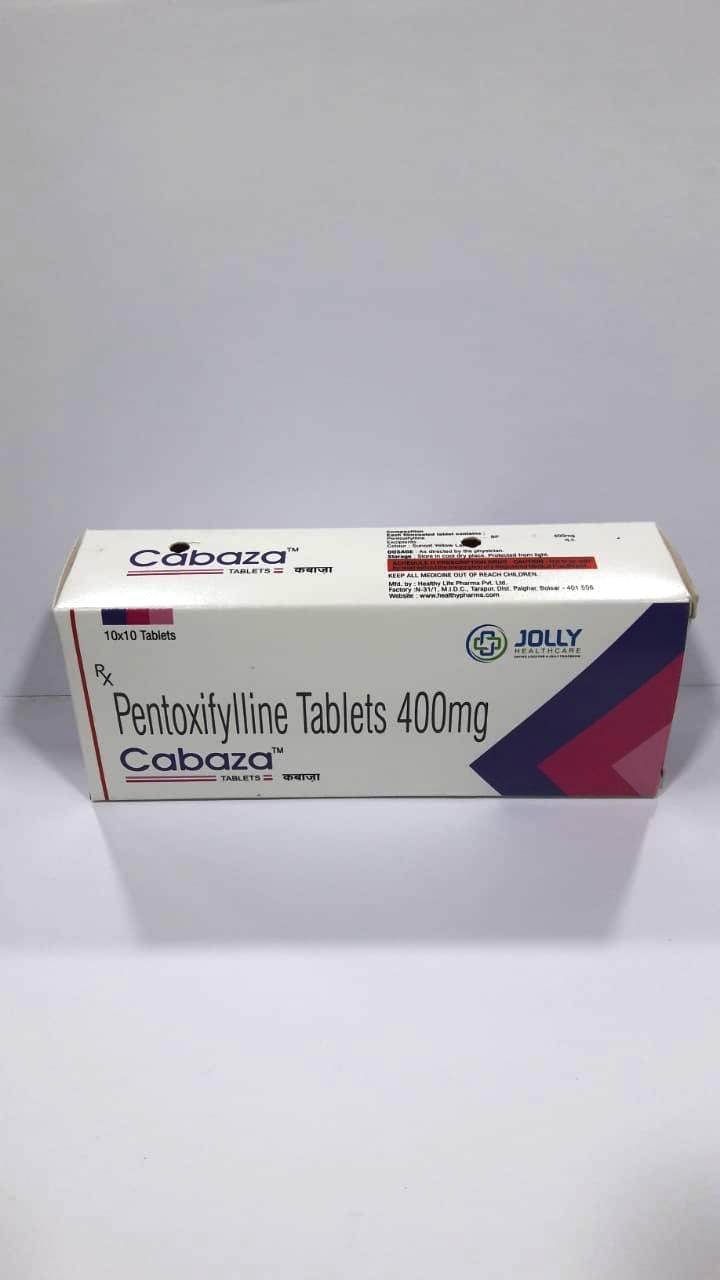
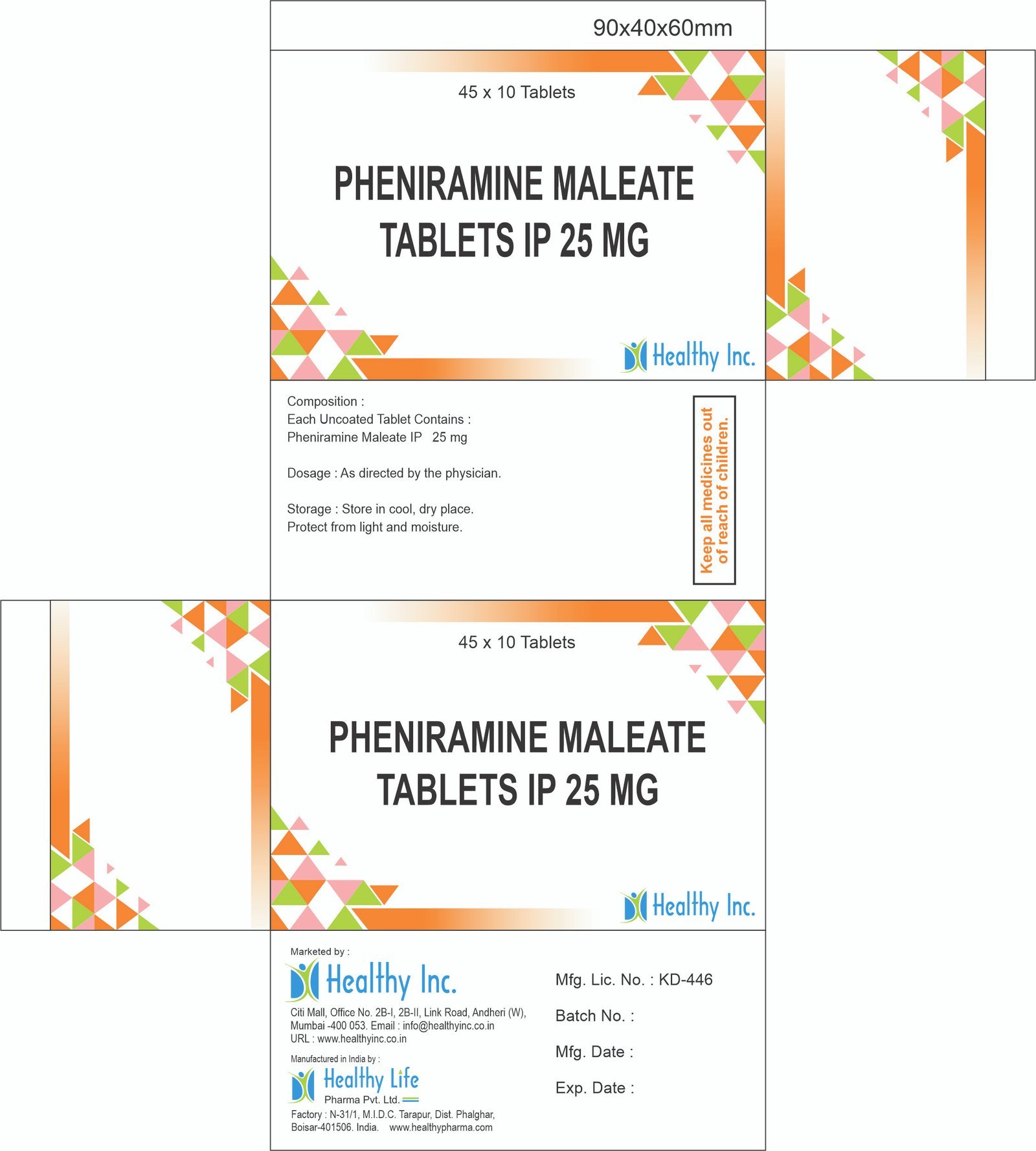
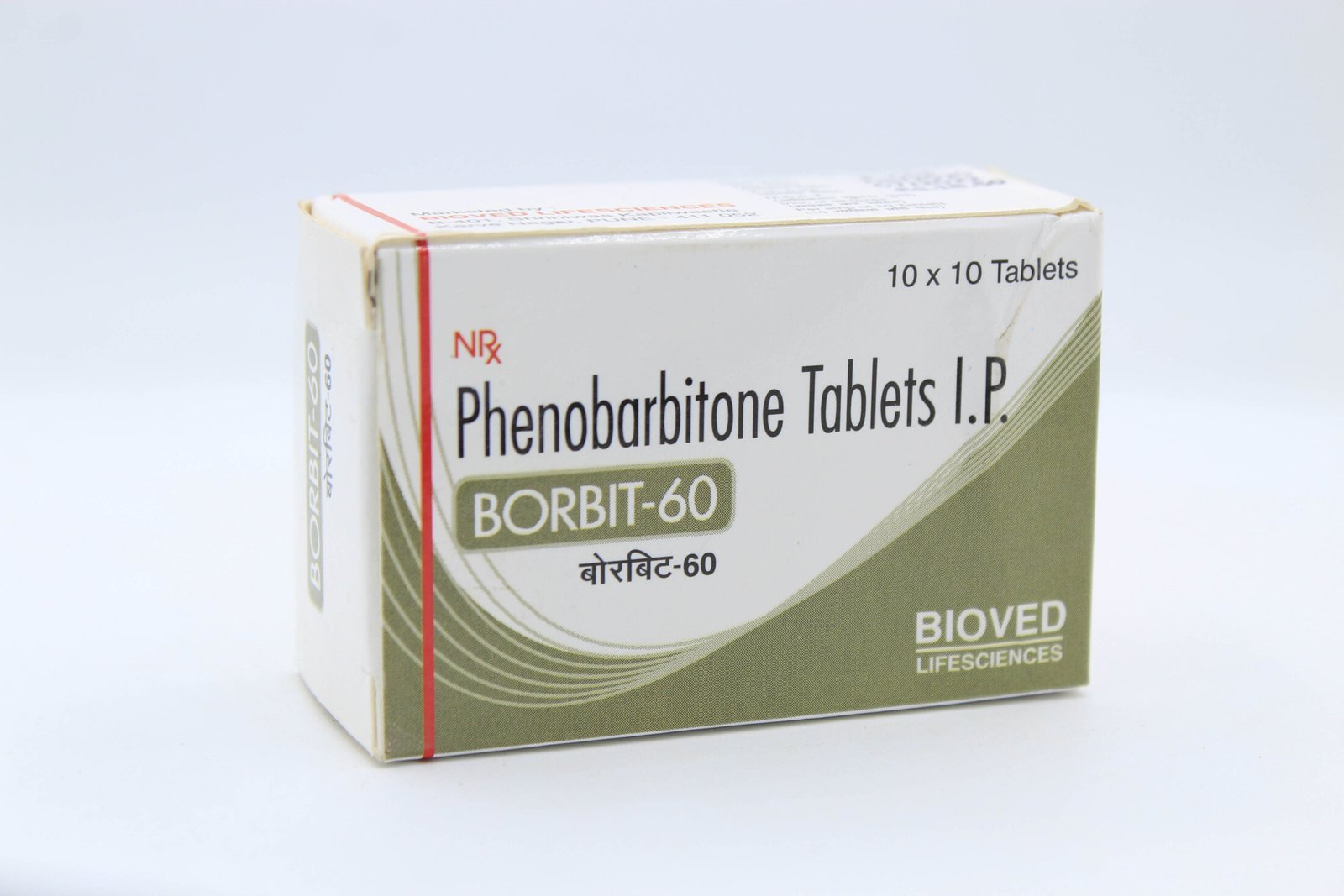
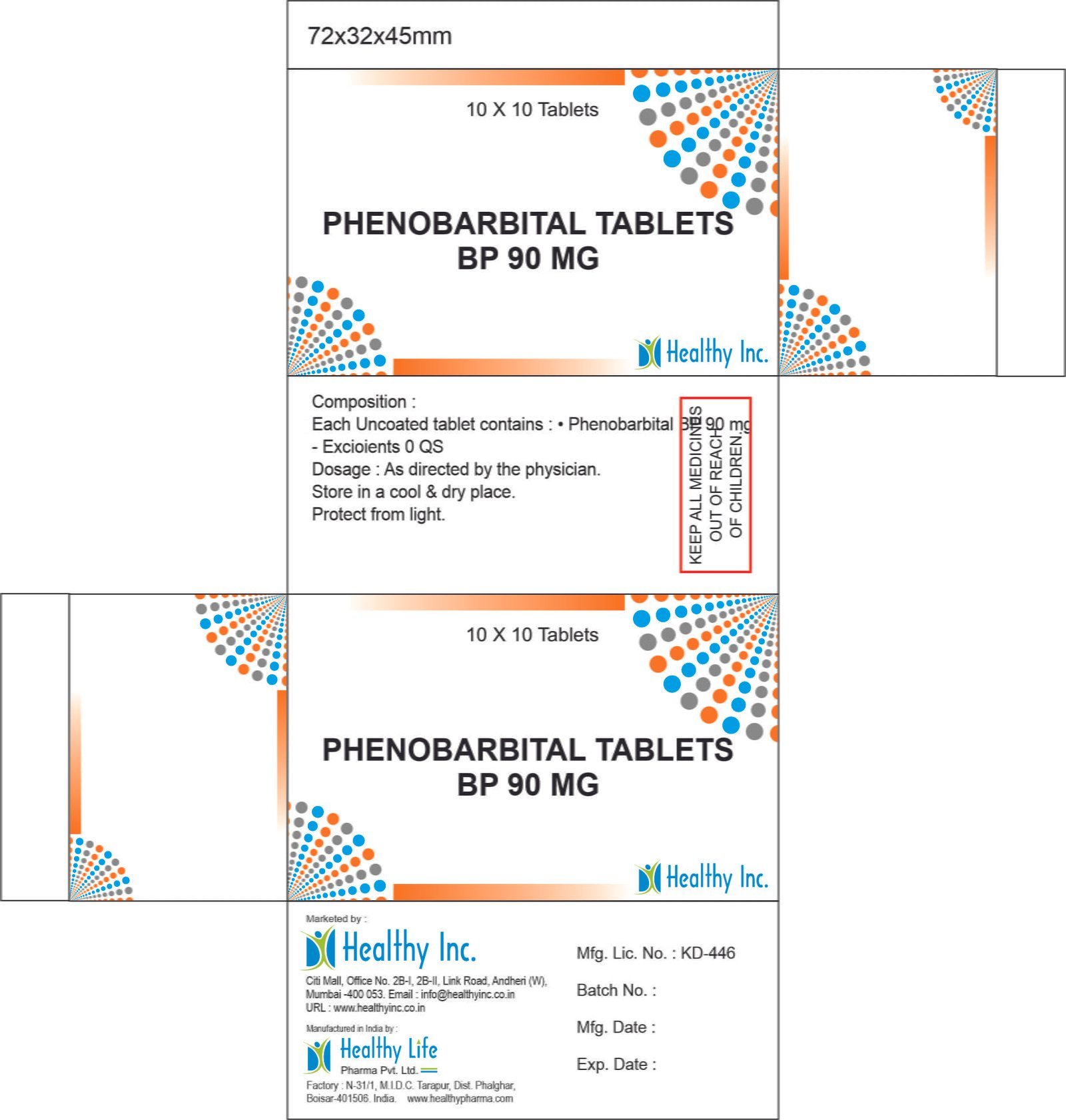
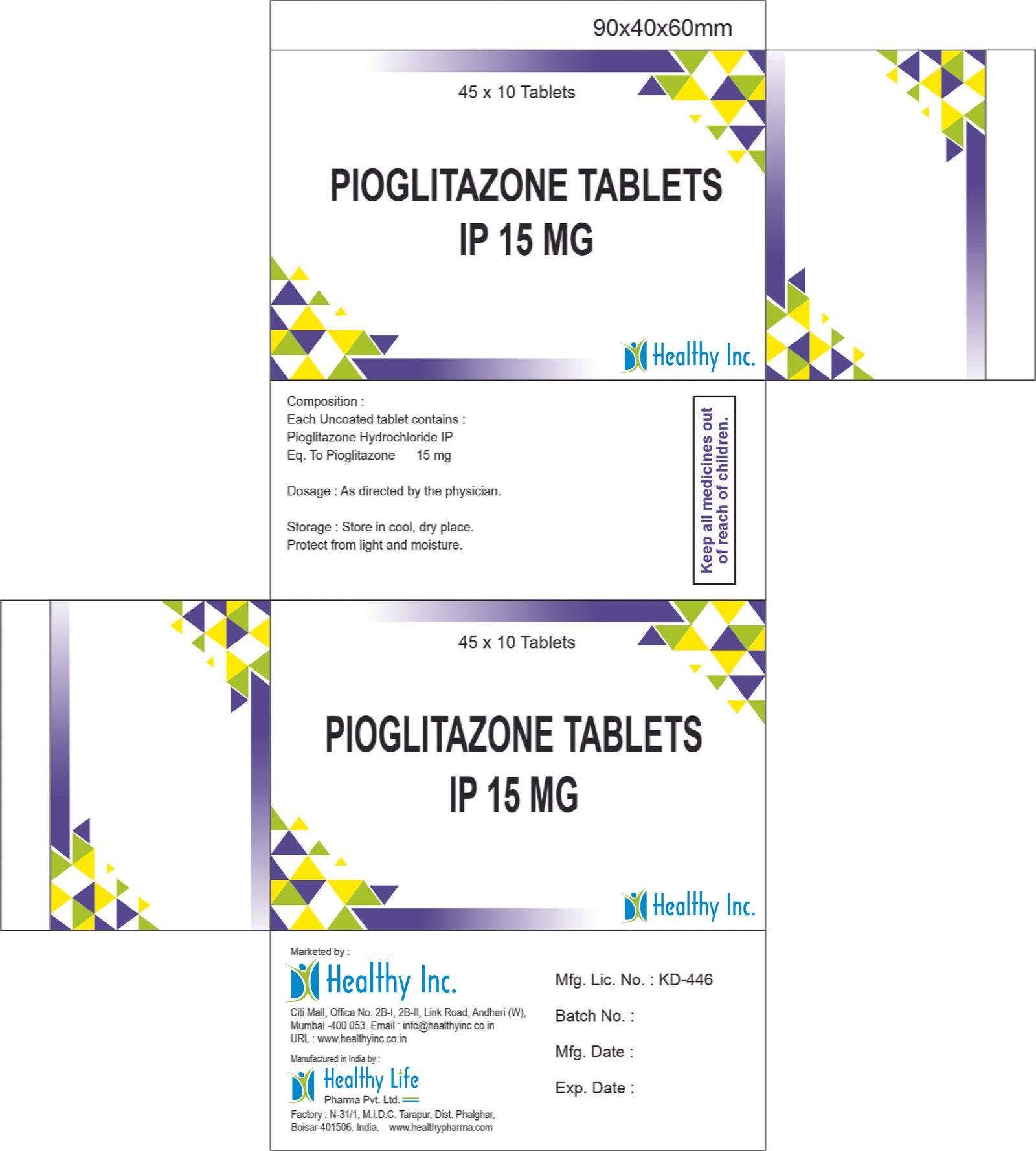
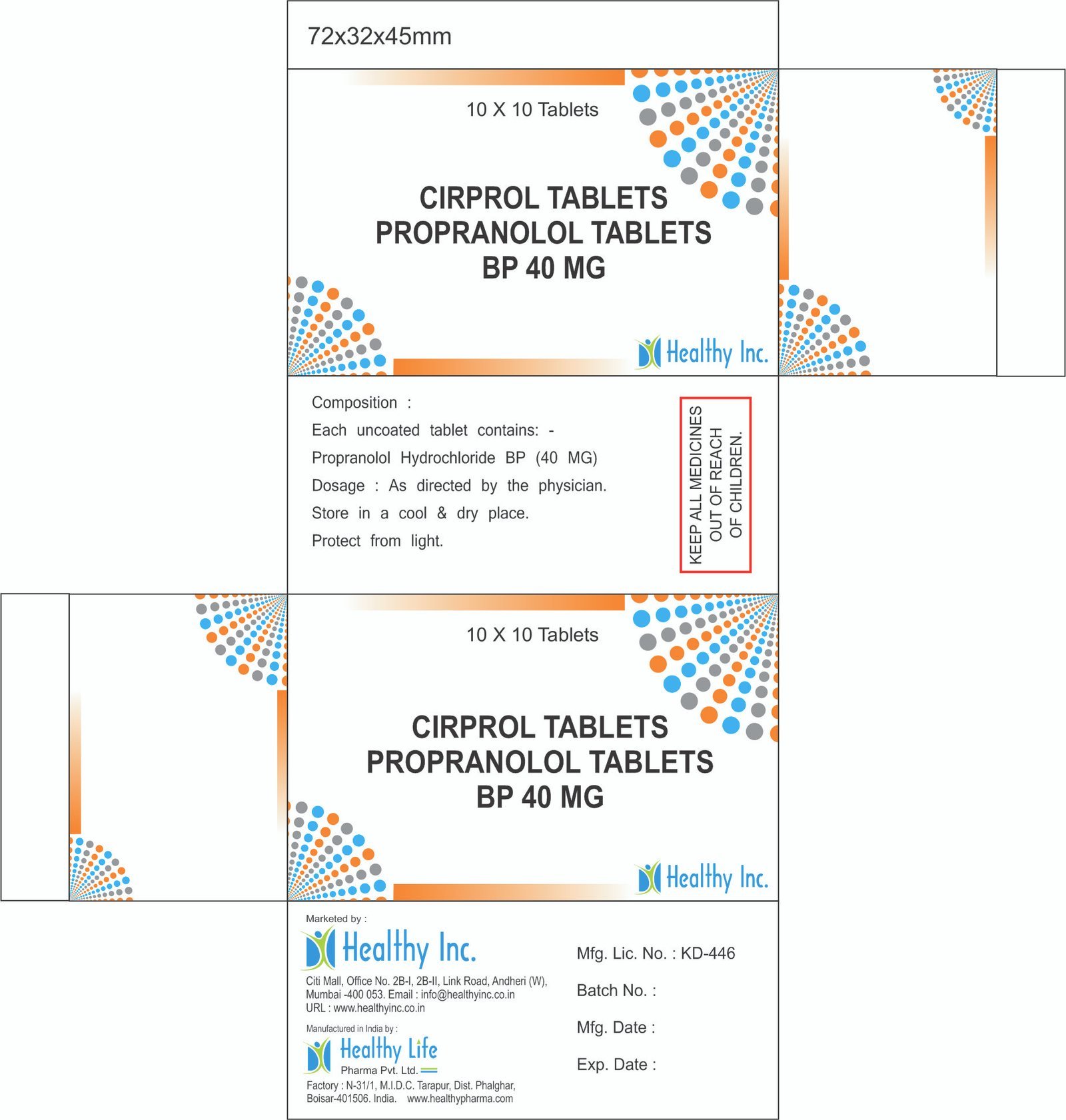
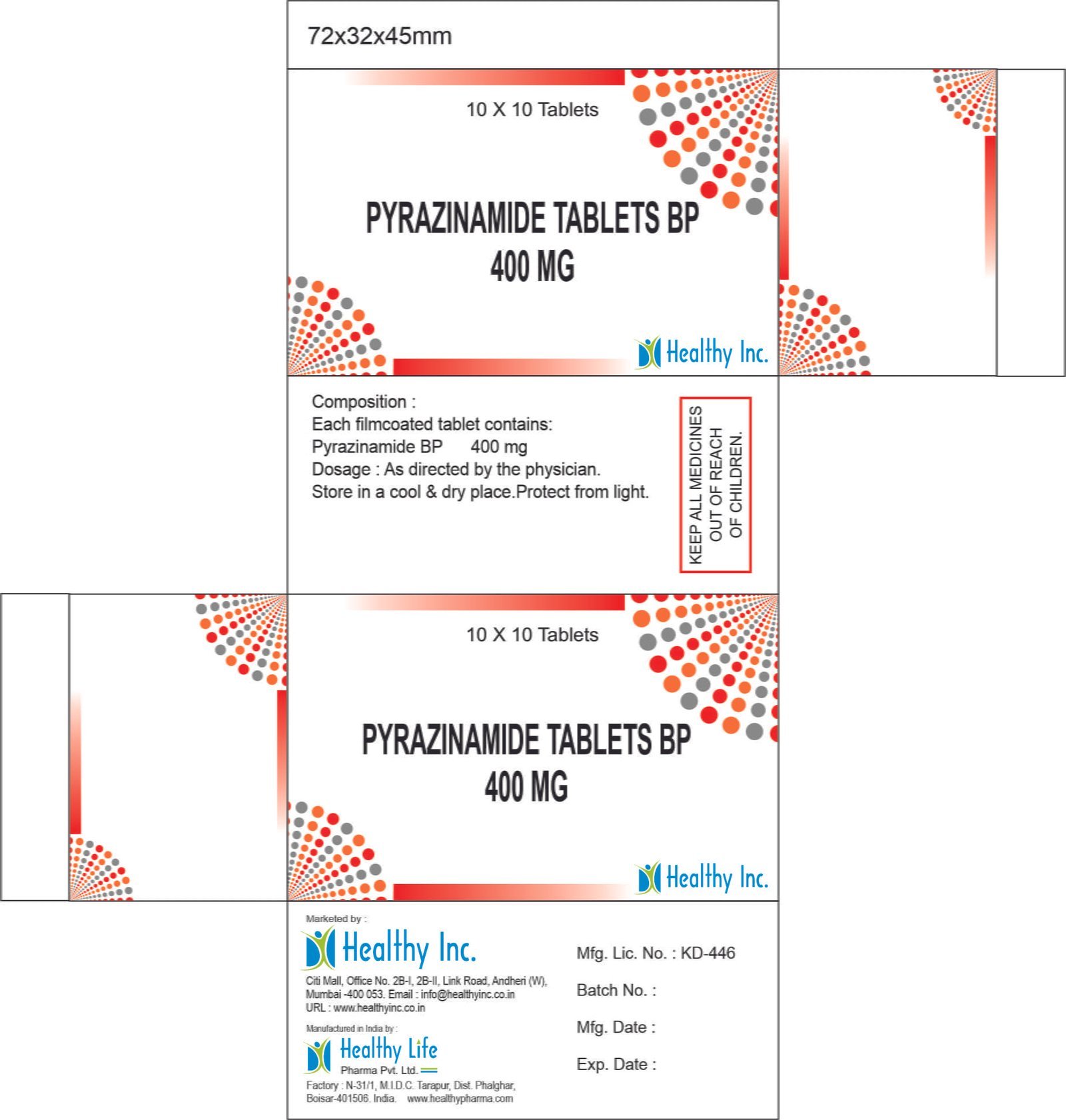
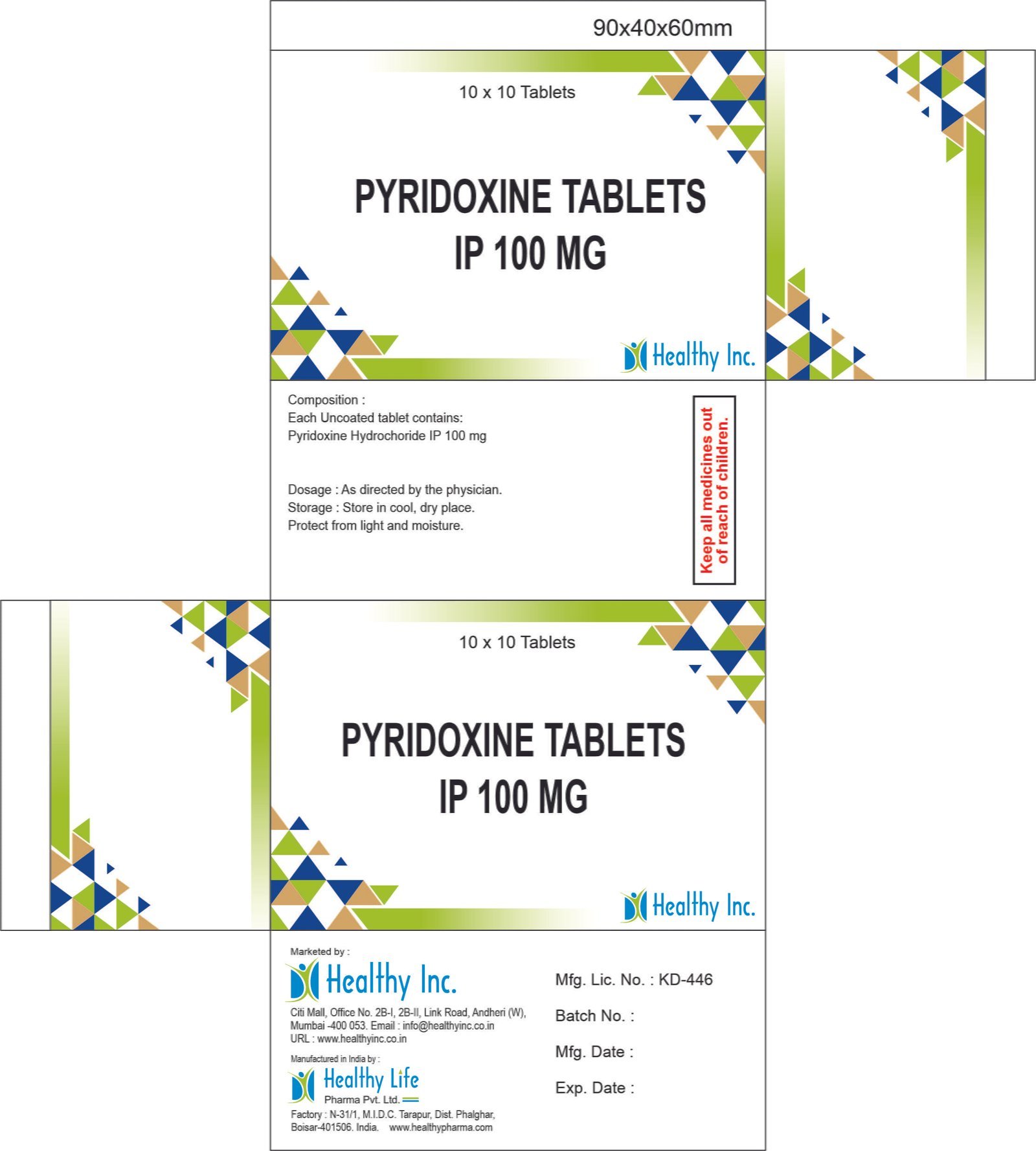
A tablet is a solid unit dosage form of medication, typically prepared by compressing a mixture of active pharmaceutical ingredients (APIs) and specialized inactive substances called excipients.
As of 2026, tablets remain the most widely manufactured and consumed dosage form globally due to their precise dosing, chemical stability, and cost-effectiveness.
1. Types of Tablets
Tablets are classified based on their design and how they release medication into the body:
| Type | Function/Characteristics | Examples |
| Film-Coated | A thin polymer layer protects the drug from light and masks bitter tastes. | Ibuprofen, Multivitamins |
| Enteric-Coated | Designed to resist stomach acid and dissolve only in the small intestine. | Aspirin (protects the stomach) |
| Effervescent | Dissolves in water with a fizzing effect for rapid absorption. | Vitamin C, Antacids |
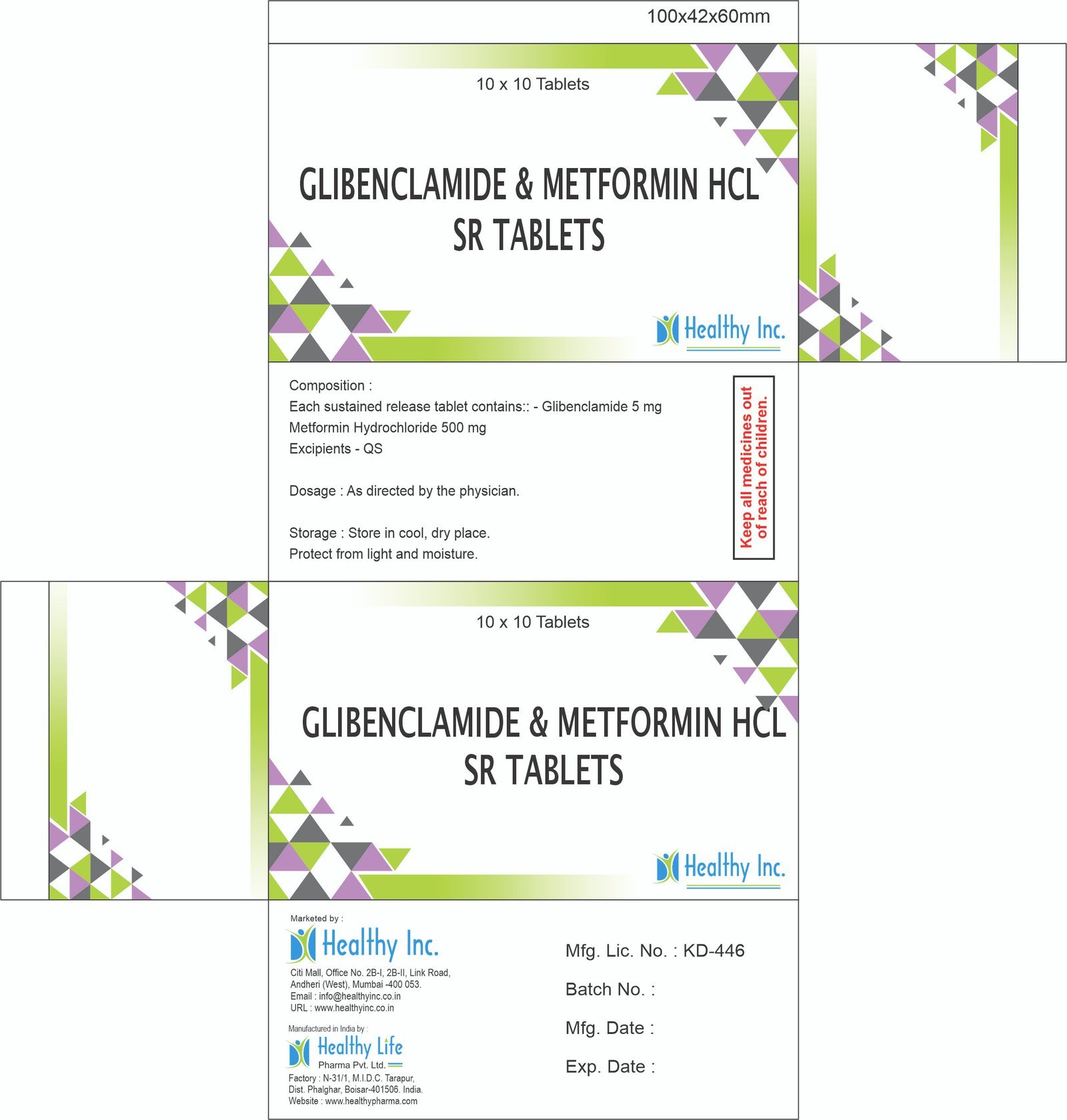
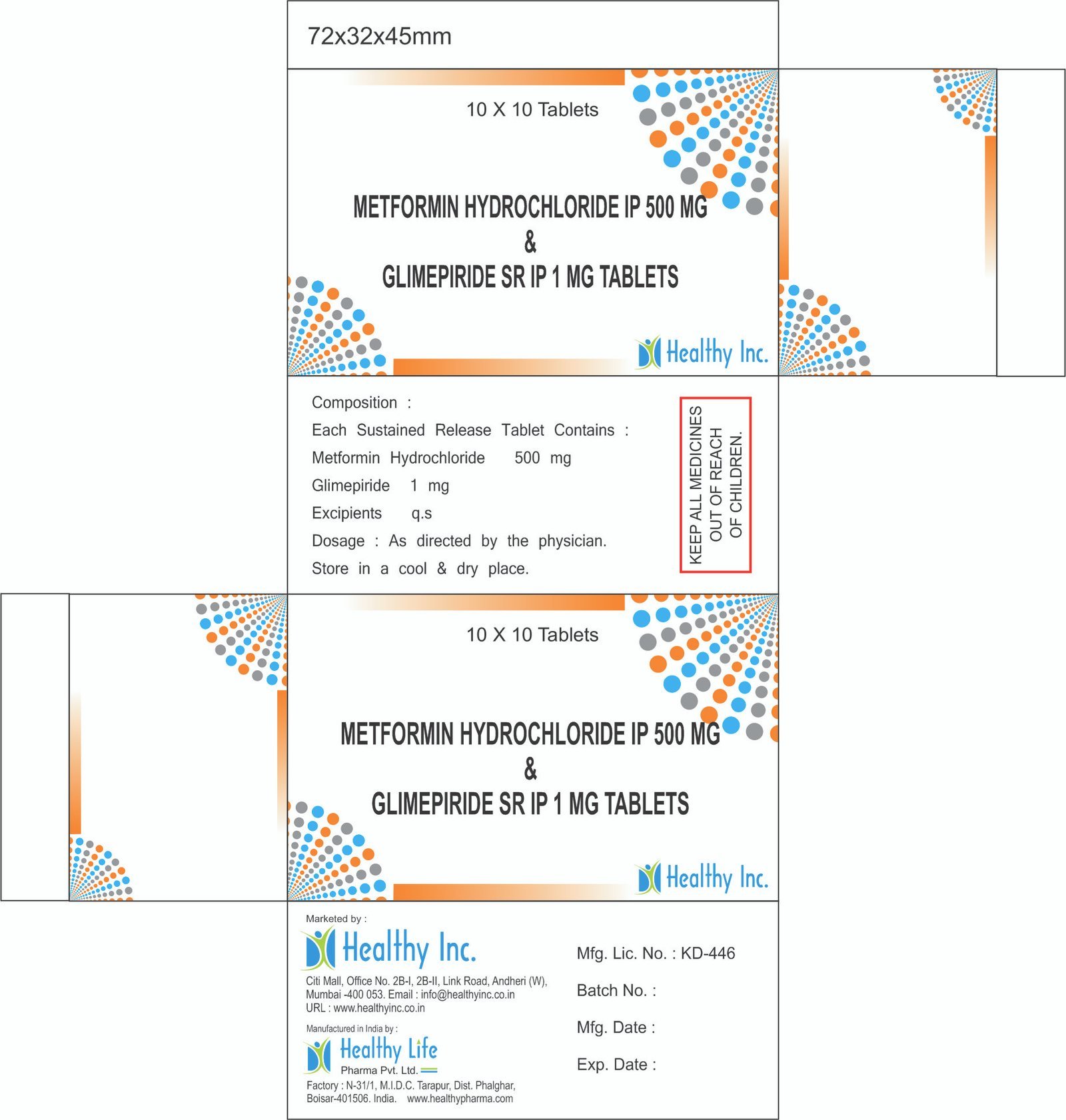
| Modified-Release | Releases medication slowly over 12–24 hours (Sustained or Extended Release). | Metformin ER, Pain relievers |
| Dispersible | Disintegrates in a small amount of water to form a uniform suspension. | Pediatric Antibiotics |
| Sublingual/Buccal | Placed under the tongue or in the cheek for direct bloodstream absorption. | Nitroglycerin |
2. How Tablets are Manufactured
The manufacturing of tablets in 2026 is a high-tech, automated process involving several critical stages:
Sifting & Milling: Raw materials are screened to ensure uniform particle size.
Granulation: The most common step where powders are turned into granules to improve “flow” and prevent the mix from separating.
Wet Granulation: Uses a liquid binder (preferred for moisture-stable drugs).
Dry Granulation: Uses high pressure (slugging) for moisture-sensitive drugs.
Blending: Granules are mixed with lubricants (like magnesium stearate) so they don’t stick to the machinery.
Compression: A high-speed Rotary Tablet Press uses punches and dies to compress the powder into the final shape.
Coating: Tablets are placed in a rotating drum where a fine mist of coating material is applied.
3. Significance of Tablet Manufacturing in India
India is the global leader in oral solid dosage (OSD) production. In 2026, the significance of sourcing from India is rooted in:
Revised Schedule M Compliance: Indian facilities now adhere to harmonized global standards, ensuring quality equal to US and EU markets.
Massive Scale: Indian plants can produce billions of tablets annually, providing the “economies of scale” that keep global healthcare affordable.
Complex Generics: India has moved beyond simple pills into complex Triple-Layer and Targeted Release tablets.
4. Why Healthy Inc. is Your Strategic Sourcing Partner
As a Strategic Sourcing Hub, Healthy Inc. acts as your technical bridge to India’s most advanced tablet manufacturing lines.
Associated Multi-Factory Network: We are not limited to one production line. We match your specific product—whether it’s a moisture-sensitive effervescent or a complex sustained-release tablet—to the facility with the exact technical setup required.
Pharmacist-Led Technical Vetting: We evaluate the Hardness, Friability, and Dissolution profiles of every batch. We provide “straight answers” to ensure your tablets won’t crumble during shipping and will dissolve correctly in the patient’s body.
Regulatory Mastery: We provide the full suite of WHO-GMP certifications and CTD/ACTD dossiers required for you to register and sell these products in your home market.
Customization: Through our network, we offer flexible private labeling, including custom shapes (caplets, rounds, ovals) and branding.
Showing 1–500 of 652 results