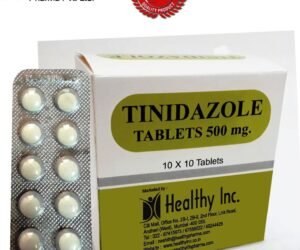
Antiprotozoal drugs, also known as protozoacidal agents, are a specialized class of pharmaceuticals used to treat and prevent infections caused by protozoa—single-celled eukaryotic organisms. In 2026, the global antiprotozoal market is valued at approximately $20.59 Billion, reflecting a growing focus on tropical diseases and the emergence of drug-resistant parasitic strains.
1. Major Classifications of Antiprotozoal Drugs
As of 2026, these agents are primarily classified based on the specific type of protozoan they target and their clinical application:
| Category | Targeted Disease | Common Examples |
| Antimalarials | Malaria (Plasmodium species) | Chloroquine, Artemisinin-based combinations (ACTs), Tafenoquine. |
| Antiamoebics | Amoebiasis (Entamoeba histolytica) | Metronidazole (Flagyl), Tinidazole, Diloxanide furoate. |
| Antigiardials | Giardiasis (Giardia lamblia) | Metronidazole, Nitazoxanide, Tinidazole. |
| Antitrypanosomals | Chagas disease & Sleeping sickness | Benznidazole, Nifurtimox, Suramin, Melarsoprol. |
| Antileishmanials | Leishmaniasis (Kala-azar) | Miltefosine, Paromomycin, Sodium stibogluconate. |
| Antitrichomonals | Trichomoniasis (STI) | Metronidazole, Secnidazole. |
2. How Do Antiprotozoals Work?
Because protozoa are eukaryotes (like human cells), antiprotozoal drugs must target specific metabolic or structural differences to avoid harming the patient.
DNA Damage: Nitroimidazoles (like Metronidazole) are reduced within the parasite to create reactive intermediates that break DNA strands, preventing replication.
Metabolic Interference: Drugs like Atovaquone block the mitochondrial electron transport chain, effectively cutting off the parasite’s energy supply.
Enzyme Inhibition: Certain agents inhibit folate synthesis or essential proteases that the parasite needs to survive and reproduce.
Heme Detoxification: Antimalarials like Chloroquine prevent the parasite from detoxifying heme (a byproduct of eating red blood cells), leading to toxic buildup that kills the parasite.
3. Significance of Antiprotozoal Manufacturing in India (2026)
In 2026, India serves as the critical supply hub for global efforts against neglected tropical diseases (NTDs).
Global Tender Leadership: Indian manufacturers provide the majority of the ARV and antiprotozoal volume for WHO and Global Fund initiatives, ensuring that treatments for Malaria and Amoebiasis remain affordable worldwide.
Innovation in Delivery: 2026 has seen a surge in Long-Acting Injectables and Single-Dose Oral strips produced in India. These innovations solve the massive challenge of patient compliance in remote or rural areas.
Resistance Management: As resistance to older drugs like Chloroquine spreads, Indian CDMOs are leading the development of Novel Combination Therapies (e.g., combining different mechanisms of action) to maintain efficacy.
Sterile Manufacturing Excellence: India’s investment in high-precision sterile lines has made it a leader in producing IV Infusions for severe, systemic protozoal infections like cerebral malaria or hepatic amoebiasis.
4. Why Healthy Inc. is Your Strategic Sourcing Partner
Sourcing antiprotozoals requires a partner who understands the technical demands of parasite biology and international regulatory standards. Healthy Inc. acts as your professional bridge:
Strategic Sourcing Hub: We are associated with multiple state-of-the-art manufacturing units featuring dedicated Sterile and Oral Solid blocks. Whether you need the latest ACT combinations or standard Metronidazole infusions, we match you with the right facility.
Pharmacist-Led Technical Vetting: We provide “straight answers” on Bioavailability and Impurity profiles. Our team vets every batch to ensure the precise potency required to clear infections without causing toxicity.
Regulatory & Dossier Mastery: We simplify international trade by providing full CTD/ACTD dossiers, stability data for tropical climate zones (Zone IVb), and all certifications necessary for global health tenders.
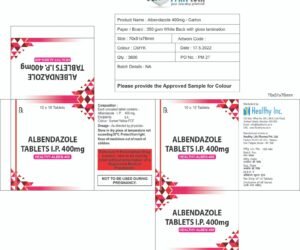
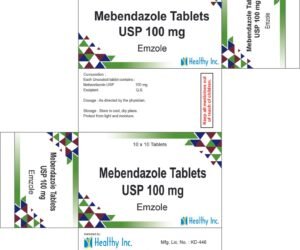
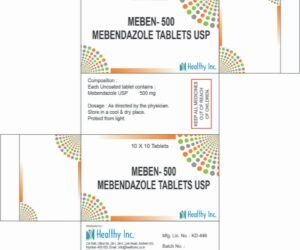
Custom Packaging for Public Health: Through our network, we offer flexible Private Labeling (OEM) and specialized packaging designed for easy distribution in diverse global markets.
Showing all 9 results