Antivirals are a specialized class of pharmaceuticals designed to treat viral infections by interfering with the virus’s ability to replicate or function. Unlike antibiotics, which kill bacteria, antivirals do not typically destroy the target pathogen; instead, they inhibit its development, allowing the body’s immune system to clear the infection or keeping chronic viruses in an inactive state.
1. How Do Antivirals Work?
Antivirals are engineered to target specific stages of the viral life cycle. Because viruses use human cells to reproduce, these drugs must be highly selective to avoid damaging the host’s own cells.
Attachment & Entry Inhibition: Prevents the virus from binding to or entering the host cell (e.g., Maraviroc for HIV).
Uncoating Inhibition: Blocks the virus from releasing its genetic material into the cell (e.g., Amantadine for Influenza).
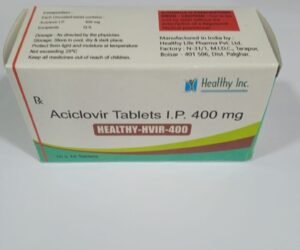
Polymerase/Replication Inhibition: Interferes with the enzymes the virus uses to “copy” its DNA or RNA (e.g., Acyclovir for Herpes, Tenofovir for Hepatitis/HIV).
Protease Inhibition: Prevents the virus from cutting long protein chains into the functional pieces needed to build new viral particles.
Release Inhibition: Prevents new viral particles from escaping the host cell to infect others (e.g., Oseltamivir for Flu).
2. Major Classifications of Antiviral Drugs
As of 2026, the global antiviral market—valued at approximately $122 Billion—is categorized by the specific viral enzymes or proteins they target:
| Category | Targeted Mechanism | Common Examples |
| DNA Polymerase Inhibitors | Blocks DNA replication (Dominates 37% of 2026 market). | Acyclovir, Valacyclovir, Ganciclovir. |
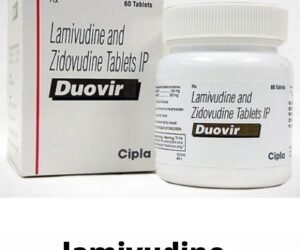
| Reverse Transcriptase Inhibitors | Stops RNA-to-DNA transcription (Fastest growing segment). | Tenofovir, Lamivudine, Emtricitabine. |
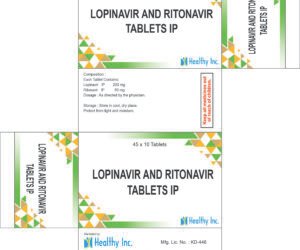
| Protease Inhibitors (PIs) | Blocks viral maturation and assembly. | Ritonavir, Darunavir, Atazanavir. |
| Neuraminidase Inhibitors | Prevents the spread of the virus from cell to cell. | Oseltamivir (Tamiflu), Zanamivir. |
| Integrase Inhibitors | Prevents viral DNA from entering the human genome. | Dolutegravir, Bictegravir. |
3. Significance of Antiviral Manufacturing in India (2026)
In 2026, India serves as the world’s most critical hub for affordable antiviral therapy, particularly for chronic management.
Long-Acting Injectable Hub: A major 2026 trend is the shift from daily pills to Long-acting Injectable (LAI) Antivirals. Indian facilities are now leading the mass production of LAIs for HIV, offering monthly or bi-monthly dosing that drastically improves patient compliance.
Pandemic Preparedness: Following recent global outbreaks, Indian CDMOs have established “Warm-State” manufacturing lines that can pivot to produce broad-spectrum antivirals within weeks of a new viral threat.
Hepatitis C Eradication: Through the production of affordable Direct-Acting Antivirals (DAAs), India provides the global supply needed to achieve the 2030 goal of eliminating Hepatitis C, offering cure rates of over $95\%$.
AI-Driven R&D: Leading Indian plants now utilize AI-driven data analytics to predict viral mutations, allowing for the rapid adjustment of formulations to combat drug-resistant strains.
4. Why Healthy Inc. is Your Strategic Sourcing Partner
Navigating the technical complexities of antiviral stability and viral resistance requires a partner with professional pharmaceutical oversight. Healthy Inc. acts as your strategic bridge:
Strategic Sourcing Hub: We are associated with multiple state-of-the-art manufacturing units specializing in CNS and Antiviral therapies. Whether you need the latest Integrase Inhibitors or high-volume DNA Polymerase Inhibitors, we match you with the right facility.
Pharmacist-Led Technical Vetting: We provide “straight answers” on Bioequivalence (BE) and impurity profiles. Our team vets every batch to ensure precise potency, which is critical in preventing the development of drug-resistant viral strains.
Regulatory & Dossier Mastery: We simplify international registration by providing full CTD/ACTD dossiers, stability data for all climate zones, and WHO-Prequalified options for global tenders.
Next-Gen Delivery Systems: Through our network, we offer 2026-era delivery formats including Pediatric-safe dispersible tablets and Nanoparticle-enhanced oral liquids for better absorption.
Showing all 25 results