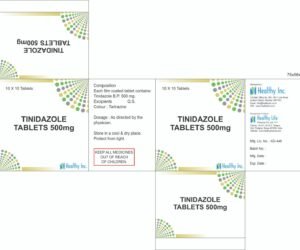
An antiparasitic is a class of medications specifically designed to treat infections caused by parasites. Unlike antibiotics (which target bacteria) or antivirals (which target viruses), antiparasitics are engineered to destroy or inhibit the growth of organisms that live on or inside a host—ranging from microscopic single-celled protozoa to complex multicellular worms.
1. Major Classifications of Antiparasitics
The pharmaceutical industry categorizes antiparasitics based on the specific biological group they target:
| Category | Targeted Parasites | Common Examples |
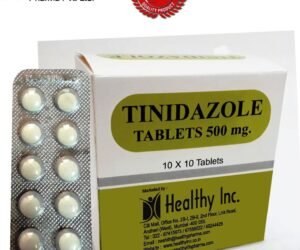
| Antiprotozoals | Single-celled organisms (e.g., those causing malaria, amoebiasis). | Metronidazole, Quinine, Chloroquine, Tinidazole. |
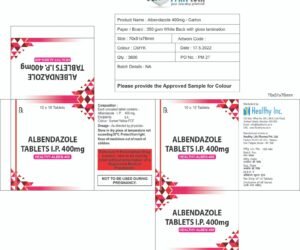
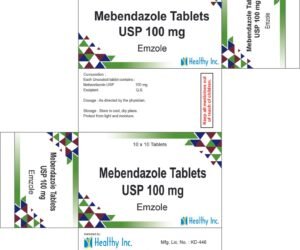
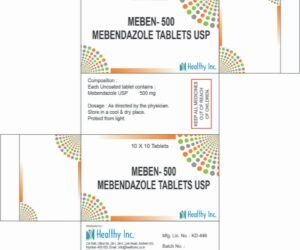
| Anthelmintics | Parasitic worms (helminths) like roundworms, tapeworms, and flukes. | Albendazole, Mebendazole, Ivermectin, Praziquantel. |
| Ectoparasiticides | External parasites living on the skin (lice, scabies, ticks). | Permethrin, Lindane, Benzyl Benzoate. |
2. How Do Antiparasitics Work?
These drugs exploit the unique biological vulnerabilities of parasites while attempting to minimize harm to the human host:
Neuromuscular Paralysis: Drugs like Ivermectin or Pyrantel Pamoate target the parasite’s nervous system, causing paralysis. The immobile worm is then naturally expelled from the body.
Metabolic Starvation: Agents like Mebendazole block the parasite’s ability to absorb glucose (its primary energy source), effectively starving it to death.
Structural Disruption: Certain drugs damage the tegument (outer skin) of worms or the cell membranes of protozoa, making them susceptible to the host’s immune system.
Heme Detoxification Blockade: Antimalarials like Chloroquine stop the malaria parasite from neutralizing toxic heme (a byproduct of blood digestion), leading to self-poisoning of the parasite.
3. Significance of Antiparasitic Manufacturing in India (2026)
In 2026, the global antiparasitic market is projected to reach $27.18 Billion, with India serving as the primary manufacturing engine for global health programs.
Global “Deworming” Hub: India produces the vast majority of the world’s Albendazole and Mebendazole, supporting massive WHO-led campaigns to treat soil-transmitted helminthiasis in school-aged children.
Innovation in Delivery: In 2026, Indian CDMOs are pioneering Innovative Chewable Formulations and Nano-suspensions to improve pediatric compliance and drug absorption.
Veterinary Excellence: India is a leading exporter of veterinary antiparasitics, critical for maintaining livestock health and global food security.
Strategic Shift to Combination Therapy: To fight emerging drug resistance, Indian facilities are specializing in Fixed-Dose Combinations (FDCs), such as Ivermectin + Albendazole, providing a more comprehensive “broad-spectrum” effect.
4. Why Healthy Inc. is Your Strategic Sourcing Partner
Navigating the supply of potent antiparasitics requires technical vetting and regulatory mastery. Healthy Inc. acts as your professional gateway:
Strategic Sourcing Hub: We are associated with multiple state-of-the-art manufacturing units featuring dedicated Anti-infective blocks. Whether you need Antimalarial ACTs, Pediatric deworming liquids, or Topical lice treatments, we match you with the right facility.
Pharmacist-Led Technical Vetting: We provide “straight answers” on Dissolution Rates and Bioavailability. Our team vets every batch to ensure therapeutic efficacy, ensuring that the medication reaches the site of infection reliably.
Regulatory & Dossier Mastery: We simplify international trade by providing full CTD/ACTD dossiers, stability data for Tropical Zone IV, and WHO-GMP certifications required for global tenders.
Market-Ready Solutions: Through our network, we offer flexible Private Labeling (OEM), allowing you to launch high-quality, trusted antiparasitic brands in your local market.
Showing all 8 results