Antacids: Rapid Relief and Gastric Neutralization
An antacid is a pharmaceutical substance used to neutralize excess stomach acid (hydrochloric acid). It is one of the most common over-the-counter (OTC) treatments for symptoms of heartburn, acid reflux (GERD), and indigestion. Unlike modern drugs like PPIs (Proton Pump Inhibitors) which stop acid production at the source, antacids work through a direct chemical reaction to raise the pH level of the stomach contents almost immediately.
1. Types of Antacids and Their Mechanism
Antacids are alkaline (basic) ions that react with gastric acid ($HCl$) to produce water and a salt, thereby reducing the acidity of the stomach. They are generally classified by their active ingredients:
| Active Ingredient | Characteristics | Speed of Action |
| Sodium Bicarbonate | Water-soluble; acts very quickly but is short-lived. | Fast |
| Calcium Carbonate | Highly potent and long-lasting; often used in chewable tablets. | Medium |
| Magnesium Hydroxide | Effective but can have a laxative effect; often called “Milk of Magnesia.” | Fast |
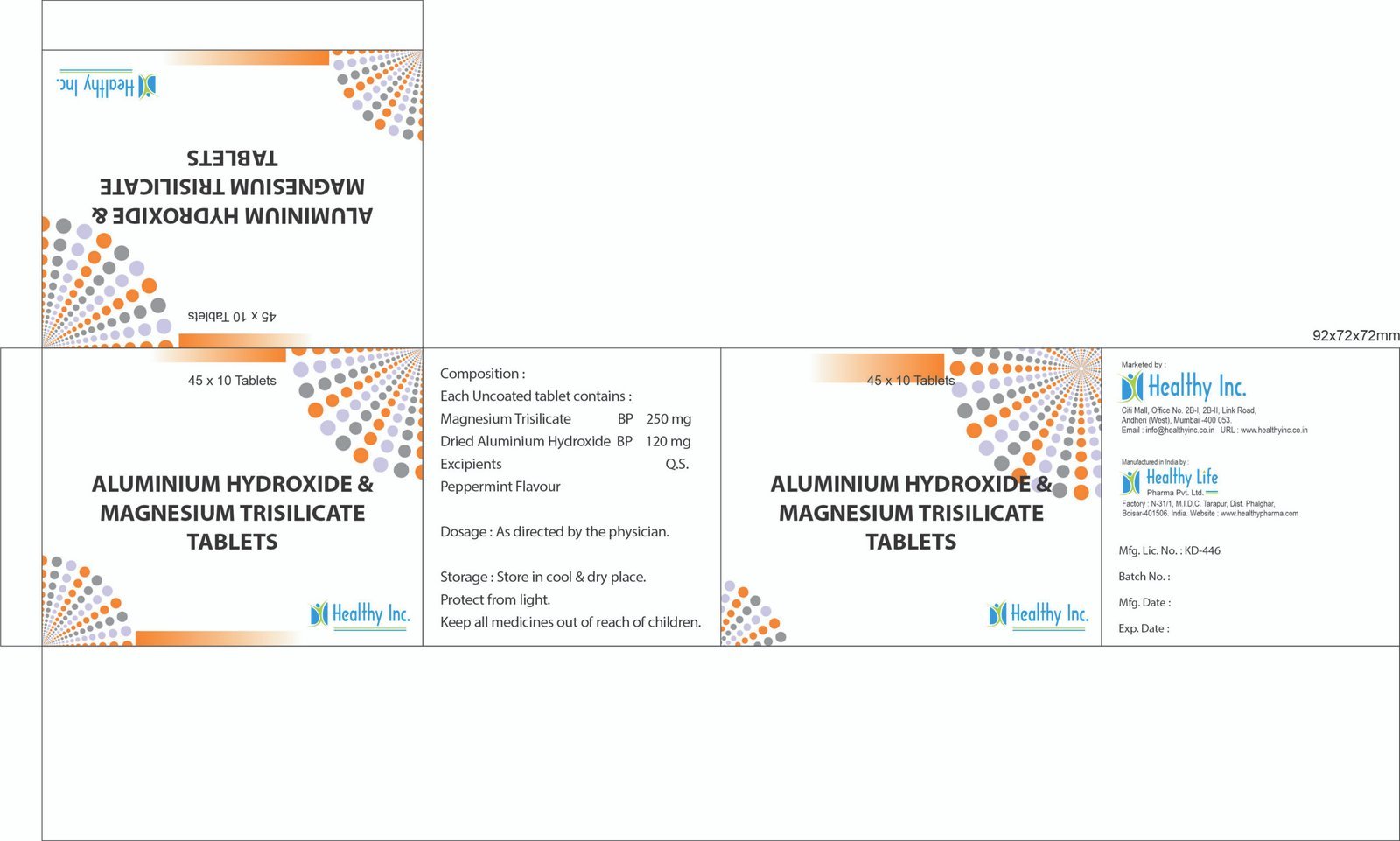
| Aluminum Hydroxide | Slower-acting and can cause constipation; often combined with magnesium to balance side effects. | Slow |
The “Combination” Advantage: Many modern antacids combine aluminum and magnesium salts to balance their effects on the bowel (preventing both diarrhea and constipation). Some also include Simethicone to reduce gas and bloating.
2. Available Formulations in 2026
In 2026, the delivery methods for antacids have evolved to cater to both emergency relief and long-term management:
Liquid Suspensions: Act the fastest because they cover the stomach lining more evenly.
Chewable Tablets: Portable and convenient, requiring mechanical breakdown (chewing) before they can neutralize acid.
Effervescent Tablets: Dissolve in water to create a sparkling, buffered solution that is gentle on the stomach.
Gels and Syrups: Often contain Alginates, which form a physical “raft” or barrier on top of the stomach contents to prevent acid from splashing back into the esophagus.
3. Significance of Antacid Manufacturing in India
India is a global leader in the production and export of gastrointestinal (GI) medications. The significance of sourcing from India in 2026 includes:
Massive Scale for OTC Markets: India’s high-volume liquid and tablet lines ensure a steady global supply of affordable OTC antacids.
Regulatory Harmonization: Manufacturing facilities in India adhere to WHO-GMP and Revised Schedule M standards, ensuring that metal-based antacids (like aluminum and magnesium) meet strict purity levels for heavy-metal testing.
Advanced Flavoring: Indian manufacturers have mastered the art of “Palatability,” offering sugar-free and aluminum-free versions with sophisticated mint, fruit, and cooling flavors.
4. Why Healthy Inc. is Your Strategic Sourcing Partner
Navigating the gastrointestinal market requires a partner who understands formulation stability and patient adherence. Healthy Inc. acts as your technical bridge:
Strategic Sourcing Hub: We are associated with multiple state-of-the-art manufacturing units specializing in liquid orals and chewable technology. We match your specific requirement—be it a high-potency calcium tablet or a cooling magaldrate suspension—with the right facility.
Pharmacist-Led Technical Vetting: We provide “straight answers” on the Acid Neutralizing Capacity (ANC) and Buffer Capacity of the formulations we source, ensuring they meet therapeutic claims.
Regulatory & Dossier Expertise: We provide the full suite of CTD/ACTD dossiers and stability data (for both temperate and tropical zones) to ensure smooth registration in your home country.
Custom Branding (OEM): Through our associated network, we help you build your GI brand with flexible packaging options, including PET bottles, sachets, and specialized tubes for effervescent tablets.
Showing all 34 results