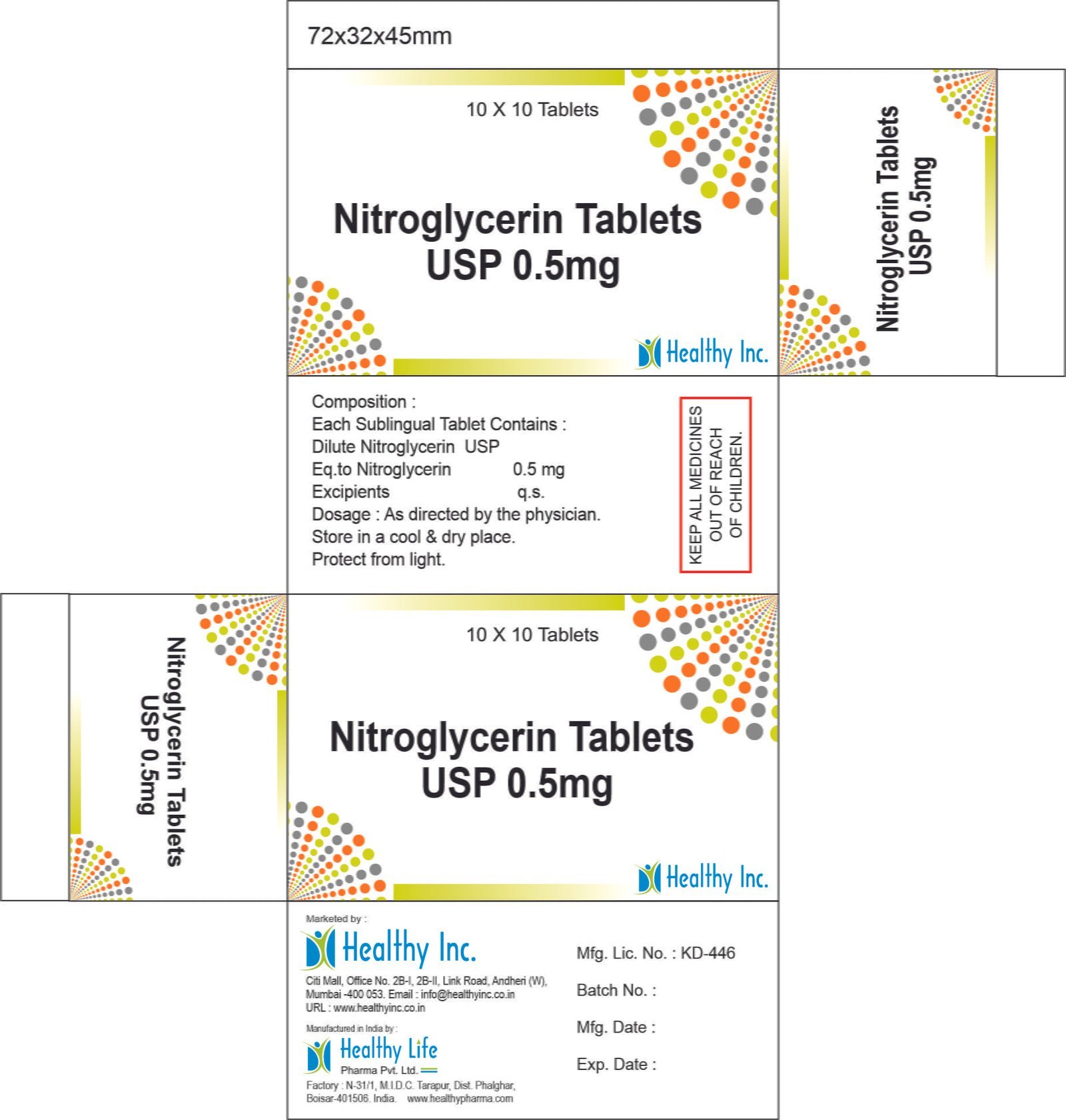
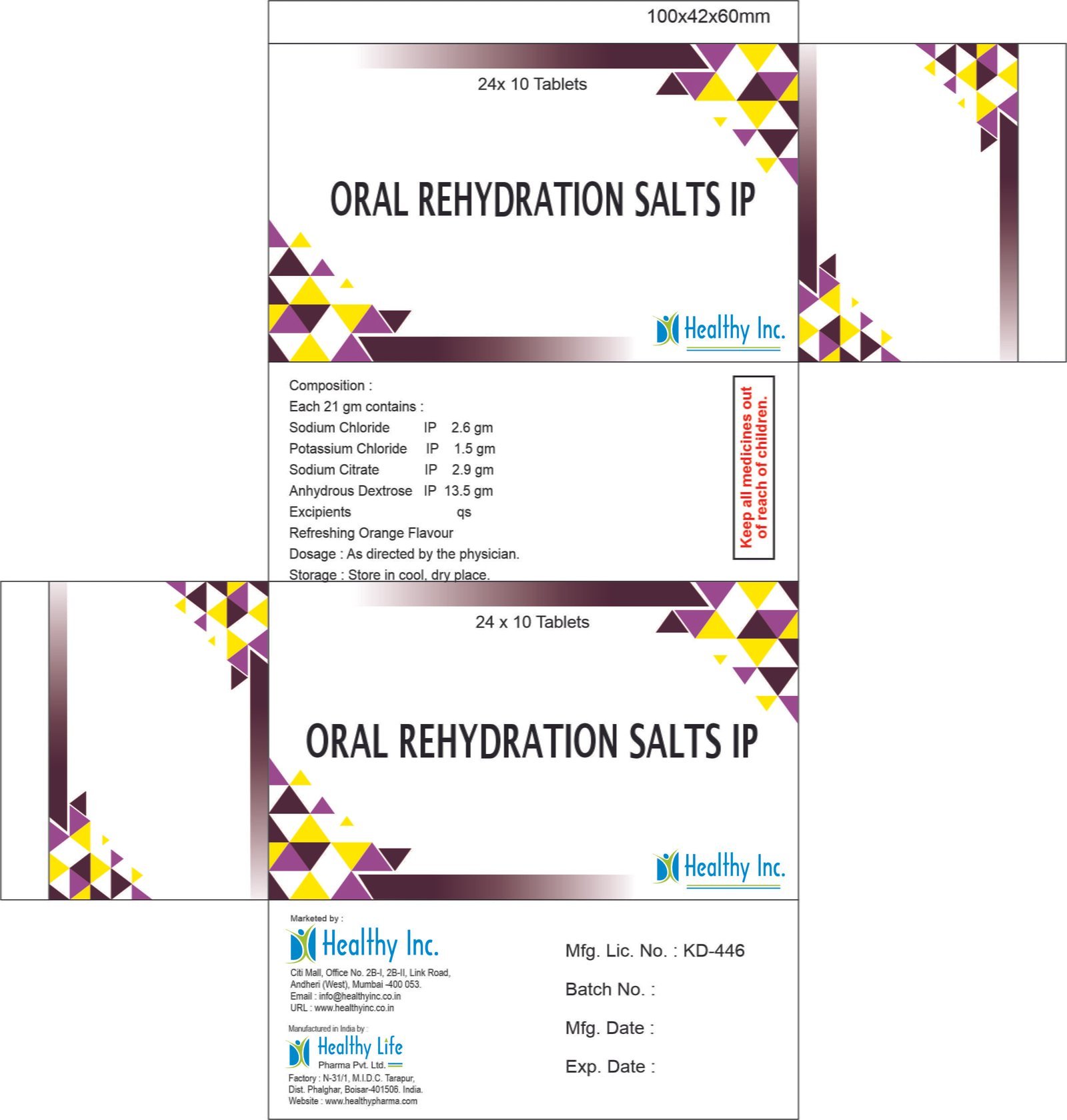
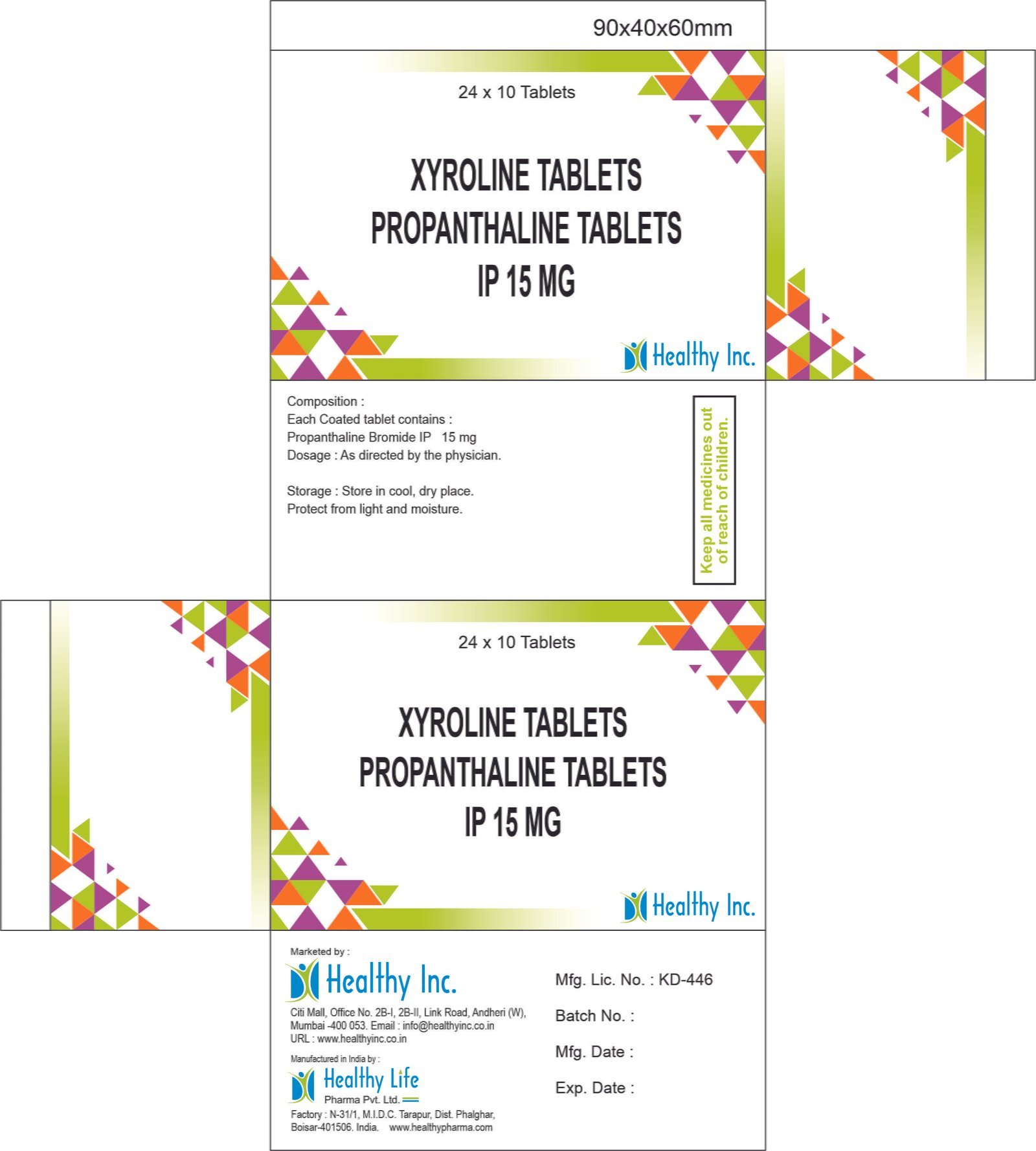
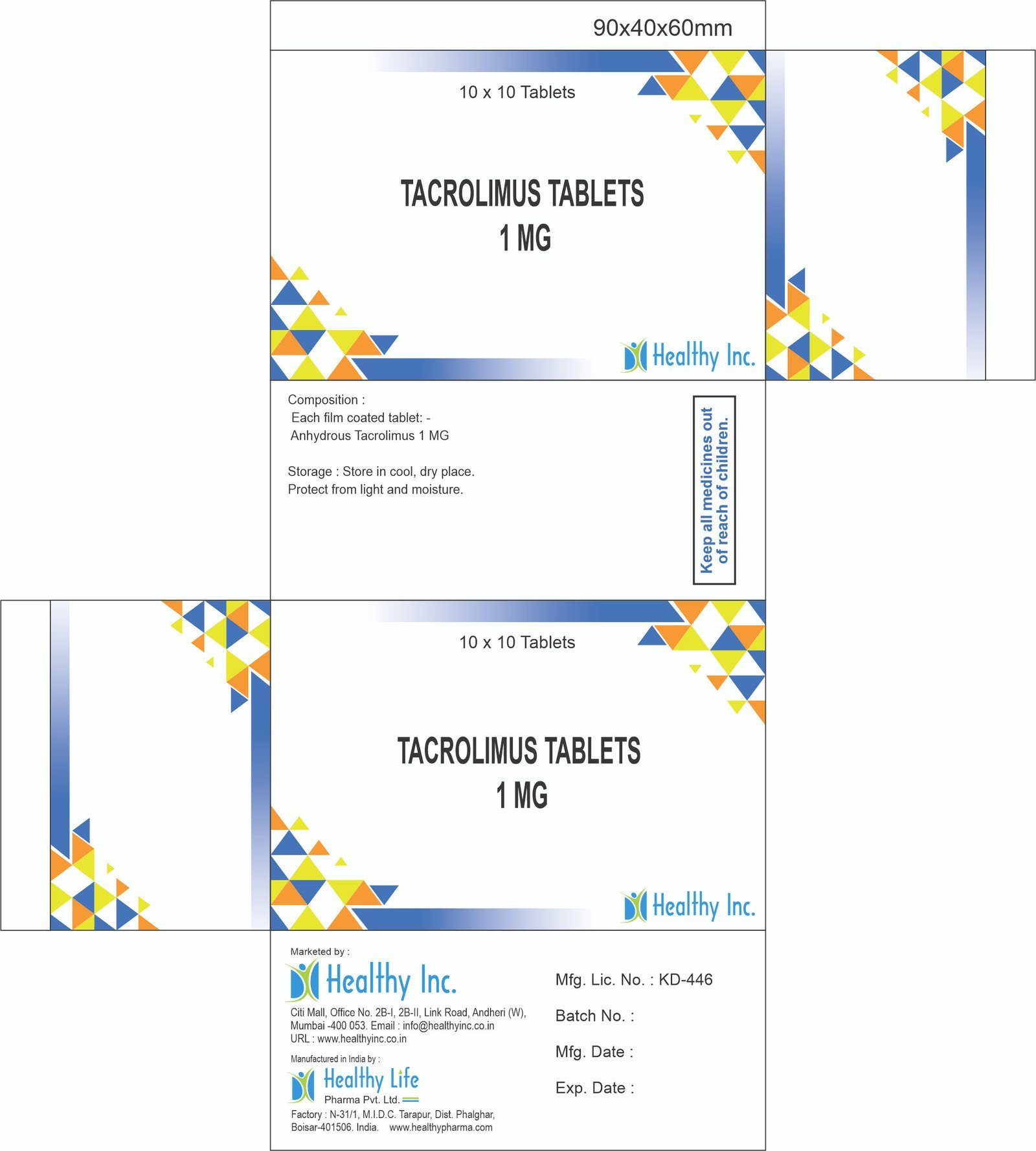
Generic drugs are pharmaceutical products that are chemically identical to a brand-name drug but are typically sold at a much lower price after the original developer’s patent has expired. In 2026, generic drugs are the cornerstone of global healthcare, accounting for over $470 billion in market value and representing the vast majority of prescriptions filled worldwide.
1. What Defines a Generic Drug?
A generic drug must be bioequivalent to the brand-name (reference) drug. This means it has the same active ingredient, strength, dosage form, and route of administration.
“Same” vs. “Similar”: While the active pharmaceutical ingredient (API) is identical, generic drugs may use different inactive ingredients (excipients) like flavors, dyes, or binders.
Bioequivalence Testing: Generic manufacturers must prove that the drug releases the API into the bloodstream at the same rate and to the same extent as the original brand-name drug.
2. The 2026 Global Landscape & “Patent Cliff”
The year 2026 is a historic turning point for the generics industry due to a massive “Patent Cliff.”
Blockbuster Expiries: Between 2026 and 2028, patents for major blockbuster drugs (totaling approximately $40 billion in annual revenue) are expiring. This is fueling a surge in new generic launches in oncology, cardiology, and immunology.
Complex Generics: The industry is moving beyond simple pills. In 2026, there is a surge in Complex Generics, including drug-device combinations (like inhalers) and Generic Injectables, which require higher technical expertise to manufacture.
AI Integration: Manufacturers are now using Artificial Intelligence to model bioequivalence, which has shortened the development cycle from years to months, allowing generic versions to hit the market the day after a patent expires.
3. India: The “Pharmacy of the World” in 2026
India remains the global leader in generic production, with the domestic market reaching $30 billion in 2025 and projected to exceed $53 billion by 2034.
Manufacturing Scale: India graduates thousands of pharmaceutical scientists annually and operates over 10,000 manufacturing facilities, ensuring a massive, talent-backed supply chain.
Quality Supremacy: India holds the largest number of USFDA-approved plants outside the United States. In 2026, the focus has shifted from “low cost” to “low cost + high compliance,” ensuring that Indian generics are trusted by major health systems globally.
Backward Integration: To secure the supply chain in 2026, many Indian firms have achieved Backward Integration, producing their own raw materials (APIs) in-house through the government’s PLI (Production Linked Incentive) scheme.
4. Why Healthy Inc. is Your Strategic Generics Partner
In the competitive landscape of 2026, sourcing generics requires more than just a price list; it requires technical and regulatory reliability. Healthy Inc. serves as your professional gateway:
Strategic Sourcing Hub: We are associated with a network of specialized, WHO-GMP and USFDA compliant units. Whether you need high-volume analgesics, specialized oncology drugs, or complex injectables, we match you with the right facility.
Pharmacist-Led Technical Vetting: Led by professional pharmacists, we provide “straight answers” on stability and purity. We vet every batch to ensure the dissolution profiles and impurity limits match international standards exactly.
Regulatory & Dossier Mastery: We provide the full suite of CTD/ACTD dossiers and stability data for all climate zones, ensuring your products pass local health authority audits in any country.
Market Readiness: Through our network, we offer flexible Private Labeling (OEM), helping you build a high-quality brand backed by the world’s most robust manufacturing infrastructure.
Showing all 100 results