What is zinc sulphate tablets used for?

What is zinc sulfate tablets 20 mg used for Primary Clinical Uses

  • Management of Diarrhea: In pediatric medicine, the WHO and UNICEF recommend 20 mg of zinc daily for 10–14 days for children with acute diarrhea. It helps reduce the duration and severity of the episode and prevents future occurrences for up to 3 months.

  • Immune System Support: Zinc is essential for T-lymphocyte activation. It is often prescribed to bolster the immune response during chronic infections or for patients with impaired wound healing.

  • Wilson’s Disease: It is used as maintenance therapy to block the absorption of copper from the diet in patients with Wilson’s disease.

    Acrodermatitis Enteropathica: A rare genetic disorder of zinc absorption that requires lifelong zinc supplementation.

  • Mechanism of Action

Zinc acts as a cofactor for more than 300 enzymes in the body. It plays a structural role in “zinc fingers” that stabilize proteins and is vital for DNA synthesis and cell division. In the gut, it regulates fluid transport and mucosal integrity, which is why it is so effective against diarrhea diseases.

The Manufacturer’s Perspective: Formulation & Export

For a manufacturing firm, Zinc Sulphate 20 mg tablets (often formulated as dispersible tablets for pediatric use) are high-volume essential medicines.

  • Dispersibility: Ensuring the tablet dissolves in less than 60 seconds in a teaspoon of water or breast milk is a key WHO-GMP quality parameter for pediatric versions.

  • Taste Masking: Since Zinc Sulfate has a strong metallic and bitter taste, advanced flavoring and sweetening agents are required to ensure patient compliance.

  • Global Demand: These tablets are a staple for international health tenders and NGOs focusing on child mortality and malnutrition.


What is lamivudine and zidovudine tablets used for?

Lamivudine and Zidovudine: The Backbone of Antiretroviral Therapy

In the complex field of virology and pharmaceutical manufacturing, the combination of Lamivudine (3TC) and Zidovudine (AZT) represents a cornerstone in the management of HIV-1 infection. As a manufacturer and pharmacist, I view this fixed-dose combination (FDC) as a vital tool for increasing patient compliance by reducing “pill burden” while delivering a synergistic attack on viral replication.

The Mechanism: Double Chain Termination

Both Lamivudine and Zidovudine belong to the class of Nucleoside Reverse Transcriptase Inhibitors (NRTIs). They act as “decoy” building blocks.

  • The Process: When the HIV virus attempts to replicate its genetic material, it incorporates these analogs into its DNA chain.

  • The Result: Because these molecules lack the necessary attachment point for the next link, the DNA chain is prematurely terminated. This effectively stops the virus from replicating within the host’s CD4 cells.

  • The Clinical Perspective: Why Use the Combination?

  • Synergy: Research has shown that using these two molecules together is significantly more effective than either drug alone, as they target the reverse transcriptase enzyme at different stages and help delay the development of drug resistance.

  • HIV-1 Management: This combination is typically used as part of a multi-drug regimen (HAART) to reduce viral load to undetectable levels and increase CD4 cell counts.

  • Prophylaxis: It is also a critical component in Post-Exposure Prophylaxis (PEP) and in preventing mother-to-child transmission (MTCT) during labor and delivery.

  • The Manufacturer’s Clinical Warning: Hematologic & Hepatic Monitoring

From a safety and production standpoint, the quality of these tablets must be matched by rigorous clinical oversight.

Anemia & Neutropenia: Zidovudine is known to cause bone marrow suppression. Patients must have their complete blood counts (CBC) monitored regularly.

Lactic Acidosis: As with many NRTIs, there is a risk of lactic acidosis and severe hepatomegaly with steatosis, which requires immediate clinical intervention.

Hepatitis B Co-infection: Lamivudine is also active against the Hepatitis B virus (HBV). If a patient has both HIV and HBV and stops taking this medication, they may experience a severe “flare-up” of their Hepatitis B.


FAQ: Global Clinical & Patient Queries

  • What is the primary use of Lamivudine and Zidovudine tablets? They are used in combination with other antiretroviral agents to treat HIV-1 infection and for post-exposure prophylaxis.

    Can this combination cure HIV? No, it does not cure HIV or AIDS, but it helps manage the virus, reduces the risk of transmission, and prevents opportunistic infections.

  • What are the most common side effects? Patients often report headaches, nausea, malaise, and fatigue. Long-term use requires monitoring for fat redistribution (lipodystrophy).

    Is it safe during pregnancy? Yes, this combination is one of the most studied and frequently used regimens for preventing the transmission of HIV from mother to child.

  • How should the tablets be stored? As a manufacturer, we ensure these are stored in moisture-resistant containers at controlled room temperatures ($15^{\circ}\text{C}$ to $30^{\circ}\text{C}$).

What is Use of Acarbose Tablets in Diabetes

Acarbose is an oral antidiabetic agent used primarily for the management of Type 2 Diabetes Mellitus. It belongs to the alpha-glucosidase inhibitor class.

Here is the technical breakdown of its use, mechanism, and clinical considerations.

1. Therapeutic Indication

  • Primary Indication: Treatment of Type 2 Diabetes Mellitus (T2DM).

  • Usage Context: It is used as an adjunct to diet and exercise to improve glycemic control. It can be administered as:

    • Monotherapy: For patients inadequately controlled by diet alone.

    • Combination Therapy: Used alongside sulfonylureas, metformin, or insulin for patients effectively managing fasting glucose but struggling with postprandial hyperglycemia (PPHG).

2. Mechanism of Action (MOA)

Acarbose acts locally in the gastrointestinal tract with a dual mode of inhibition:

  • Inhibition of Pancreatic Alpha-Amylase: It competitively inhibits the hydrolysis of complex starches into oligosaccharides in the lumen of the small intestine.

  • Inhibition of Intestinal Alpha-Glucosidases: It reversibly inhibits membrane-bound alpha-glucosidases (maltase, sucrase, glucoamylase) in the brush border of the small intestine.

Net Effect: This delays the breakdown of sucrose and complex carbohydrates into absorbable monosaccharides (glucose/fructose). Consequently, it creates a “blunted” postprandial glucose spike, shifting glucose absorption to more distal parts of the small intestine.

3. Pharmacokinetics (PK)

  • Absorption: Bioavailability is extremely low (<2% as active drug). This is therapeutically desirable as the site of action is intraluminal (within the gut), not systemic.

  • Metabolism: It is metabolized exclusively within the GI tract by intestinal bacteria and digestive enzymes.

  • Elimination: The unabsorbed drug and metabolites are excreted via feces.

4. Key Clinical Considerations

  • Dosing Timing: To be effective, it must be taken with the first bite of each main meal. If taken after the meal, its efficacy in blocking the initial carbohydrate surge is significantly reduced.

  • Hypoglycemia Management (Crucial Protocol):

    • Acarbose monotherapy does not cause hypoglycemia.

    • Combination Therapy: If hypoglycemia occurs (e.g., when used with insulin or sulfonylureas), it must be treated with oral glucose (dextrose) or milk (lactose).

    • Contraindication for Sucrose: Ordinary table sugar (sucrose) will be ineffective for reversing hypoglycemia because Acarbose inhibits sucrase, blocking the breakdown of sucrose into glucose.

  • Side Effect Profile: The most common adverse effects are gastrointestinal (flatulence, diarrhea, abdominal pain). This is caused by unabsorbed carbohydrates reaching the colon, where they undergo fermentation by colonic bacteria.

5. Contraindications

Acarbose is contraindicated in patients with:

  • Diabetic ketoacidosis (DKA).

  • Cirrhosis.

  • Inflammatory Bowel Disease (IBD) or colonic ulceration.

  • Partial intestinal obstruction or predisposition to obstruction (due to increased gas formation).

6. Off-Label Uses

While not FDA-approved, it has been studied for:

  • Pre-diabetes (Impaired Glucose Tolerance): To delay the progression to T2DM.

  • Dumping Syndrome: To slow rapid carbohydrate absorption after gastric surgery.

Leading Brands of Lignocaine 2% Injection

Leading Brands of Lignocaine 2% Injection

Xylocaine 2%, Lox 2%, Themicaine 2%, Paracip-L, Loxicard, Xynova 2%, Lignox, Resocaine 2%, Numbon 2%, Xylocard, Leecaine, Lignomit, Zinocaine, Xylocare 2%, Myocain, Lignocad, Proken, Alkain, Xylum, Lidofast, Unicaine, Lidocan, Eurocaine, Celon Lignocaine, Anestocaine, Lignodent, Gesicaine, Lignol, Dynex, Lidobest

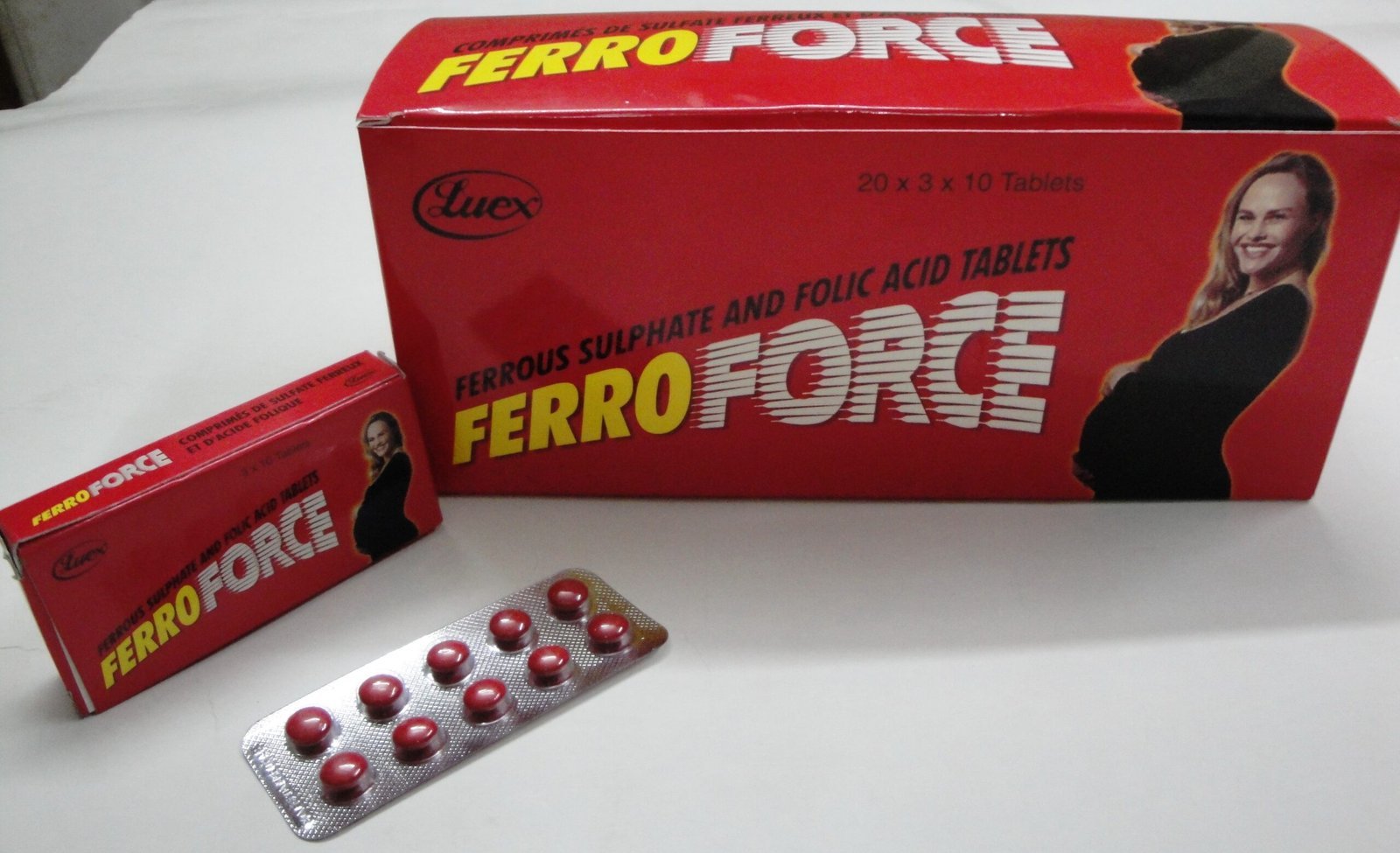
ferrous sulfate with folic acid tablet use

The Gold Standard in Hematinics: Export Quality Ferrous Sulphate & Folic Acid Tablets

By Healthy Inc | Global Pharmaceutical Exporter & Manufacturer


Healthy Inc is proud to present our premier hematinic formulation: Dried Ferrous Sulphate & Folic Acid Tablets. As a specialized global supplier, we provide this “WHO Essential” medicine sourced directly from WHO–GMP certified solid dosage facilities.

Recognized globally as the most cost-effective first-line therapy for Iron Deficiency Anemia (IDA), our formulation is a top export choice for Ministry of Health tenders, UNICEF aid programs, and hospital formularies across Africa, Latin America (LATAM), and Southeast Asia.

Why This Formulation is the “Global Standard”

We do not simply manufacture tablets; we engineer stability and efficacy.

  • Dried Ferrous Sulphate (The Reference): Unlike standard hydrated forms, we use Dried (Exsiccated) Ferrous Sulphate. This yields a higher concentration of elemental iron (~30% by weight) and ensures the tablet remains physically stable without “sweating” in tropical climates. It dissociates rapidly to release Ferrous ions ($Fe^{2+}$) for immediate absorption.

  • Folic Acid Synergy: Iron alone cannot cure anemia if red blood cells are malformed. Folic acid is critical for the proper maturation of RBCs and is essential during pregnancy to prevent neural tube defects.

  • Superior Coating: We supply Sugar Coated (Traditional Red) or Film Coated tablets. This coating is non-negotiable to mask the metallic taste and prevent gastric oxidation.


Product Composition & Strength

We offer flexible pack sizes including Blister packs (10s, 14s, 28s) and Bulk HDPE Jars (1000s/5000s) for hospital tenders.

Active Ingredient Strength (Standard) Elemental Iron Therapeutic Role
Dried Ferrous Sulphate USP/BP 200 mg ~65 mg Hemoglobin Synthesis
Folic Acid USP/BP 0.4 mg / 0.5 mg DNA Synthesis / RBC Maturation
Dried Ferrous Sulphate (High Dose) 335 mg ~100 mg Severe Anemia Treatment
Excipients Q.S. Protective Coating (Titanium Dioxide/Sucrose)

Technical Specifications for Importers

For our B2B partners, pharmaceutical traders, and distributors, here are the critical logistics details:

  • HS Code: 3004.50.90 (Medicaments containing vitamins/minerals)

  • Dosage Form: Coated Tablet (Red)

  • Storage: Store below 25°C. Keep Dry (Product is Hygroscopic).

  • Certifications: WHO-GMP, COPP, Free Sale Certificate (FSC).

  • Packaging: PVC-Alu Blister, Strip, or Bulk.


Manufacturing Authority & Stability

Marketed and Distributed by Healthy Inc, our manufacturing process addresses the two biggest challenges in iron supplementation: Oxidation and

Tolerance.Stabilization Process: Ferrous Sulphate turns brown/rust-colored if exposed to moisture. We employ “low-humidity” compression suites and specific chelating agents to keep the iron in the absorb able Ferrous state ($Fe^{2+}$) rather than the non-absorb able Ferric state ($Fe^{3+}$).

Gastric Tolerance: To reduce nausea and gastric pain, our tablets feature a dissolution profile that avoids “dose dumping” in the stomach, releasing iron gradually as it enters the duodenum.

Therapeutic Indications & Dosage

  • Pregnancy & Lactation: WHO-recommended prophylaxis to support maternal blood volume.

  • Nutritional Anemia: Treatment for dietary deficiency or absorption.

  • Post-Hemorrhagic Anemia: Rapid hemoglobin restoration after surgery or trauma.

Usage Guidelines:

  • Prophylaxis: 1 tablet daily.

  • Treatment: 1 tablet, 2-3 times daily.

  • Administration: Best taken on an empty stomach with water or Vitamin C juice. Avoid tea, coffee, or milk as they block absorption.

Safety Note: Iron therapy may cause stools to turn dark green or black; this is harmless. Keep out of reach of children to prevent accidental overdose.


Global Export & Contract Manufacturing Services

Healthy Inc is your reliable partner for Pharmaceutical Contract Manufacturing (Third Party) and Global Export.

  • For Traders & Wholesalers: We support bulk indenting and Pharmaceutical Drop Shipping models.

  • For Governments & NGOs: We are experienced Hospital Tender Suppliers capable of meeting strict documentation requirements for government procurement in Africa and LATAM.

  • For Brands: Launch high-quality generic medicines under your own label with our OSD manufacturing services.

metformin sr glimepiride bilayer tablets uses manufacturer

Metformin SR + Glimepiride: The “Dual-Action” Standard for Type 2 Diabetes Management

Introduction: Why “Two in One” is Better Managing Type 2 Diabetes is a 24-hour challenge. For millions of patients in Africa, Latin America, and Southeast Asia, the struggle isn’t just high blood sugar—it’s the burden of taking multiple pills every day.

At Healthy Inc, we specialize in the advanced manufacturing of Metformin Hydrochloride (SR) & Glimepiride Fixed-Dose Combinations (FDCs). Whether you are a patient looking to understand your therapy or a pharmaceutical distributor seeking a WHO-GMP certified partner, this guide explains why this combination is the global “Gold Standard” for chronic care.

1. For Patients: Understanding the “Dual-Action” Power

This combination attacks diabetes from two distinct angles, offering superior glycemic control compared to monotherapy:

  • The Sensitizer (Metformin): It decreases glucose production in the liver and makes the body’s muscles more sensitive to insulin.

  • The Booster (Glimepiride): As a 3rd Generation Sulfonylurea, it signals your pancreas to release more insulin to handle mealtime sugar spikes.

Why is this better than single tablets?

  • Reduced “Pill Burden”: Taking one tablet instead of two improves adherence.

  • Sustained Control: Our Sustained Release (SR) technology ensures the medicine works over 24 hours, preventing dangerous highs and lows.

  • Heart Health: Glimepiride is selective for pancreatic receptors, preserving the heart’s ischemic preconditioning response better than older drugs like Glibenclamide.

2. Important Usage & Safety Information

Medical Disclaimer: Always consult your physician for dosage instructions.

  • Best Time to Take: Usually taken once daily with breakfast or the first main meal.

  • Do Not Crush: Because this is an “SR” (Sustained Release) tablet, crushing it breaks the matrix and releases the drug too fast.

  • Hypoglycemia Warning: Since Glimepiride increases insulin, skipping meals can cause low blood sugar. Always carry a quick source of sugar.

  • Alcohol Warning: Avoid excessive alcohol as it increases the risk of both hypoglycemia and lactic acidosis.

3. The Manufacturing Science: Why “Bilayer” Matters

Target Audience: Pharmacists & Importers

Producing a stable FDC is a complex engineering challenge. Metformin is hygroscopic (absorbs moisture), while Glimepiride is potent in micro-doses. Mixing them carelessly can lead to instability.

The Healthy Inc Difference: We utilize Bilayer Compression Technology to physically separate the two Active Pharmaceutical Ingredients (APIs) within a single tablet.

  • Layer 1 (Glimepiride): Formulated for immediate release to handle post-meal spikes.

  • Layer 2 (Metformin SR): A hydrophilic matrix that releases the drug slowly over 10-12 hours to reduce gastrointestinal side effects.

This separation ensures Chemical Stability in high-humidity climates (Zone IVb), making our product ideal for export to tropical regions.

4. Commercial & Logistics Data for Importers

For our B2B partners, we offer a “Pharmacy-Ready” product with complete documentation.

  • HS Code: 3004.90.99 (Other Medicaments)

  • Packaging: Alu-Alu Blister packs (Moisture Barrier) to ensure 2-3 year shelf life.

  • Available Strengths:

    • G1: Metformin 500mg + Glimepiride 1mg

    • G2: Metformin 500mg + Glimepiride 2mg

    • Forte: Metformin 1000mg + Glimepiride 2mg

  • Certifications: WHO-GMP, COPP, Free Sale Certificate (FSC).

  • Services: Third Party Manufacturing (Contract Manufacturing) and Hospital Tender Supply.

[Click here to view full Product Specifications & COA]


Frequently Asked Questions (FAQ)

Q: What is the advantage of the Bilayer tablet over a normal tablet? A: Bilayer tablets physically separate the Metformin and Glimepiride. This prevents chemical interaction between the ingredients, ensuring the medicine remains effective for its entire shelf life, especially in hot and humid climates.

Q: Can this tablet cause weight gain? A: Glimepiride can cause mild weight gain in some patients. However, Metformin helps counteract this by improving metabolism. A balanced diet is essential.

Q: Do you export to Africa and LATAM? A: Yes, Healthy Inc acts as a specialized Pharmaceutical Exporter to these regions. We provide full dossier support and assist with shipping logistics for bulk orders.

Q: Is this product WHO-GMP certified? A: Yes, all our Metformin + Glimepiride formulations are manufactured in WHO-GMP certified facilities in India, ensuring global quality standards.

https://healthyinc.co.in/product/glimepiride-with-metformin


Top 30 Brands name of Trimethoprime + Sulphamethoxazole tablets

Here’s a list of 30 brands, both national and international, of Trimethoprim + Sulphamethoxazole tablets:

  1. Bactrim (International)
  2. Septra (International)
  3. Co-Trimoxazole (International)
  4. Cotrim (International)
  5. Trisul (International)
  6. Sulfatrim (International)
  7. Septran (International)
  8. Cotrimoxazole (International)
  9. Trimethoprim Sulfamethoxazole (International)
  10. Sulfamethoxazole-Trimethoprim (International)
  11. Triprim (International)
  12. Auro-Septra (International)
  13. Nopil (International)
  14. Ikaprim (International)
  15. Meprim (International)
  16. Sulfamethoxazole with Trimethoprim (International)
  17. Groprim (International)
  18. Triazole (International)
  19. Bactrimel (International)
  20. Sulfamethoxazole and Trimethoprim (International)
  21. Sulthrim (International)
  22. Bi-Co-Trimox (International)
  23. Samnir (International)
  24. Trixazole (International)
  25. Penimep (International)
  26. Cotrimol (International)
  27. Eusaprim (International)
  28. Zoltrim (International)
  29. Aztrim (National)
  30. Cozole (National)

Please note that availability may vary depending on your location, and it’s important to consult a healthcare professional before using any medicatio.

Top of 30 Brand name of Metformin tablets

Top of 30 Brand national and international name of Metformin tablets

Sure, here’s a list of 30 brand names for Metformin tablets, both national and international:

  1. Glucophage (International)
  2. Glucophage XR (International)
  3. Fortamet (International)
  4. Riomet (International)
  5. Glumetza (International)
  6. Diaformin (International)
  7. Diabex (International)
  8. Obimet (International)
  9. Cetapin XR (International)
  10. Glyciphage (International)
  11. Glycomet (International)
  12. Glycomet SR (International)
  13. Metfor (International)
  14. Metforal (International)
  15. Metformin Sandoz (International)
  16. Metformin Teva (International)
  17. Metformax (International)
  18. Bigomet (International)
  19. Glyciphage SR (International)
  20. Glyformin (International)
  21. Dianben (International)
  22. Dianben XR (International)
  23. Metmin (International)
  24. Metforrnin (International)
  25. Metforrnin XR (International)
  26. Metformin Mylan (International)
  27. Metformin Actavis (International)
  28. Metformin Apotex (International)
  29. Metformin Bluefish (International)
  30. Metformin Lich (International)

Please note that availability may vary depending on your location, and some of these brands may be more common in certain regions than others. Always consult with a healthcare professional before starting or changing any medication regimen.

Top of 30 Brands name of Metformin Sustained Release tablets

Here’s a list of 30 brand names of Metformin sustained-release tablets, both national and international:

  1. Glucophage XR (National and International)
  2. Fortamet (International)
  3. Glumetza (International)
  4. Riomet ER (International)
  5. Glyciphage SR (National)
  6. Metforal SR (National)
  7. Metlong SR (National)
  8. Glycomet SR (National)
  9. Bigomet SR (National)
  10. Cetapin XR (National)
  11. Glyciphage G1 (National)
  12. Zomet SR (National)
  13. Gluformin XR (International)
  14. Diaformin XR (International)
  15. Xmet-SR (National)
  16. Glycigon-SR (National)
  17. Xmet XR (National)
  18. Bimet XR (National)
  19. Glycomet-GP (National)
  20. Formet SR (International)
  21. Glyciphage GP (National)
  22. Dianorm-SR (National)
  23. Met-XR (National)
  24. Glucient SR (National)
  25. Diformin SR (National)
  26. Diabose SR (National)
  27. Exermet XR (International)
  28. Formin-SR (National)
  29. Cetapin-SR (National)
  30. Diavista XR (National)

Please note that availability may vary depending on the country and region. Always consult with a healthcare professional before using any medication.

Top 30 Brands name of Mefloquine tablets

Here are the top 30 brands of Mefloquine tablets, both national and international:

  1. Lariam (Roche)
  2. Meflotas (Lupin)
  3. Mefliam (Sun Pharma)
  4. Mefloquine (Various generic brands)
  5. Mequin (Eris Lifesciences)
  6. Mefloquine Hydrochloride (Various generic brands)
  7. Mequinol (Dr. Reddy’s Laboratories)
  8. Meflon (Abbott Laboratories)
  9. Mef-OD (Micro Labs)
  10. Meflar (Glenmark Pharmaceuticals)
  11. Meflocid (Cipla)
  12. Mequix (Zydus Cadila)
  13. Meflodin (Alkem Laboratories)
  14. Mefloquine-DT (Various generic brands)
  15. Meflix (Intas Pharmaceuticals)
  16. Mefloquine Pharma (Various generic brands)
  17. Mefloat (Torrent Pharmaceuticals)
  18. Mefflo (Macleods Pharmaceuticals)
  19. Mefloquine Tablets (Various generic brands)
  20. Meflomax (Mankind Pharma)
  21. Meflo-Q (Emcure Pharmaceuticals)
  22. Meflokem (Kern Pharma)
  23. Meflonex (Hetero Healthcare)
  24. Mefloseal (Sandoz)
  25. Meflac (Synokem Pharmaceuticals)
  26. Mefloquine Winthrop (Sanofi)
  27. Meflora (Square Pharmaceuticals)
  28. Mefloquine Zentiva (Sanofi)
  29. Mefly (Orchid Pharma)
  30. Mefloquine Sandoz (Sandoz)

Please note that availability may vary by region, and some of these brands may be more prevalent in certain countries or regions. Additionally, always consult a healthcare professional before taking any medication.

Add to cart